

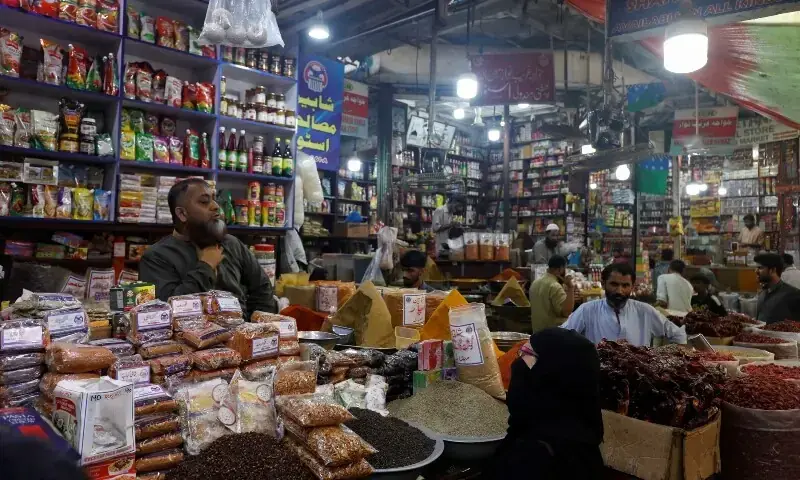

Pakistan's Budget Negotiations Intensify Amidst Economic Concerns
Translated from English, summarized and contextualized by DistantNews.
At a glance
Analysis
Sources not specified
Ongoing story
- Pakistan's government is preparing to present its budget, with ongoing negotiations between the PPP and PML-N parties to finalize financial agreements.
- Discussions reportedly involve the formula for the divisible pool of revenue, provincial contributions to federal expenses, and the potential shift of social welfare programs to provinces.
- There is a growing realization among political actors about the country's poor economic state, shifting focus from foreign policy to domestic financial issues.
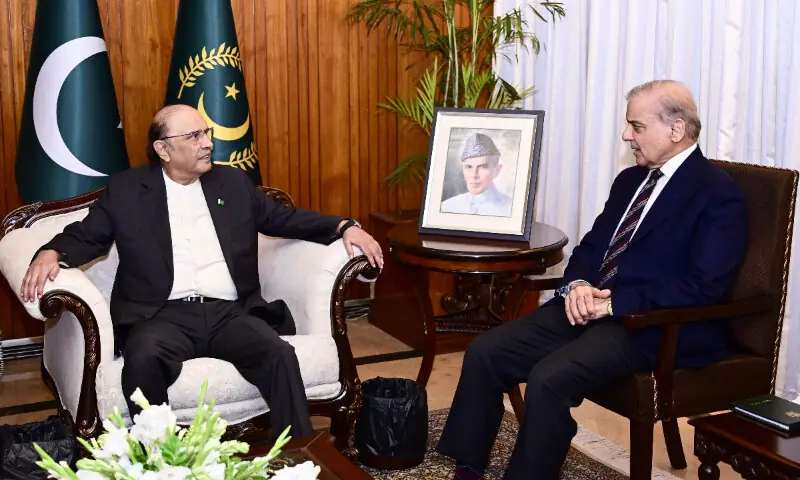
Pakistan stands on the cusp of its budget presentation, a day after which it will be submitted to Parliament. However, behind the scenes, the ruling coalition partners, the PPP and PML-N, are still locked in intense negotiations to reach a consensus on crucial financial matters.
Sources indicate that the discussions are complex, touching upon various aspects of fiscal federalism. Key points of contention reportedly include revising the formula for sharing federal revenues with the provinces, determining provincial contributions to federal expenses like those of the interior ministry, and the possibility of devolving the Benazir Income Support Programme (BISP) to provincial administrations. The urgency is palpable, as changing the National Finance Commission (NFC) award through a constitutional amendment is now considered time-prohibitive, necessitating decisions through alternative means.
The involvement of Ishaq Dar, known for his role in resolving financial disputes, suggests the seriousness with which the PML-N is approaching these talks. While it remains unclear if a final agreement has been reached, it is widely expected that the PPP will extract significant concessions in return for their cooperation. This intense focus on economic issues appears to stem from a sudden, shared realization among political elites about the precarious state of the nation's economy.
Beyond the immediate budget concerns, whispers persist about a potential 28th constitutional amendment aimed at facilitating larger reforms. These could encompass restructuring local governments and altering the provincial status of key regions like Karachi and Gwadar. Whether these proposals are genuine initiatives or strategic maneuvers to pressure coalition partners into compromising on financial matters remains to be seen, with clarity likely to emerge once the budget dust settles.
The national discourse has visibly shifted. The earlier gleeful discussions about foreign policy successes have been sidelined, replaced by critical questions about taxes, the government's economic track record, and the performance of the finance minister. This criticism is not confined to perennial critics but is also echoed by individuals with insights into the corridors of power, underscoring a widespread acknowledgment of the economic challenges ahead.
Everyone, it seems, has suddenly realised the poor state of the economy.
DistantNews Editorial
Originally published by Dawn in English. Translated, summarized, and contextualized by our editorial team with added local perspective. Read our editorial standards.
More Stories

From Our Blog

What Gets Lost (and Found) When News Is Translated

The Critical Role of Diaspora Media in Global News

What Travellers Should Know About Countries with Restricted Press

A Digital Nomad's Guide to Following Local News

How the Same Story Looks Different in Different Countries
