


Pakistan's Centre vs. Provinces: A Fiscal and Constitutional Impasse
Translated from English, summarized and contextualized by DistantNews.
At a glance
Analysis
Sources not specified
Context piece
- Pakistan's federal government is pressuring provinces to freeze their share of federal taxes, demanding they return any excess revenue to the center.
- Provinces are resisting this demand, which comes on top of existing fiscal surplus requirements under the National Fiscal Pact.
- The center's fiscal distress stems from its failure to broaden the tax net and boost revenues, leading it to squeeze provinces rather than address structural economic issues.
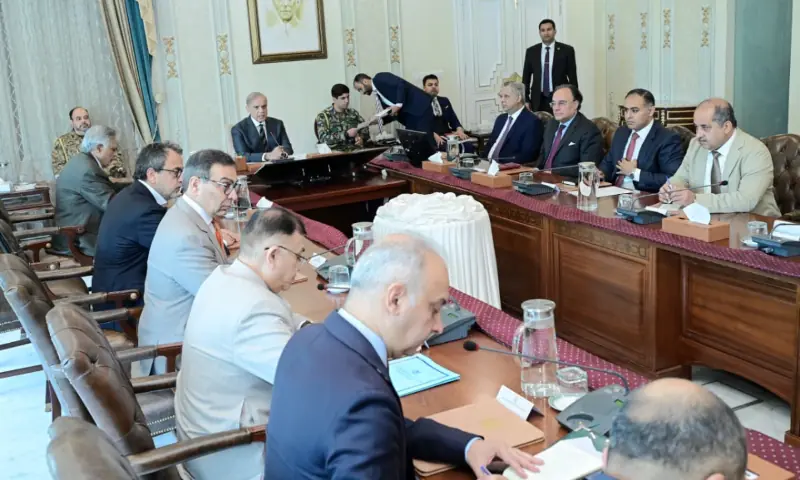
Pakistan faces a constitutional and political crisis as the federal government clashes with provinces over budget announcements and revenue sharing. Islamabad is demanding that provinces freeze their share from the federal tax divisible pool under the National Fiscal Commission (NFC) award. The center wants any receipts exceeding the current year's level returned, in addition to the Rs1.95 trillion cash surplus provinces must produce under the National Fiscal Pact.
Provinces are resisting this pressure, viewing it as an attempt to undermine the NFC award and the 18th Amendment, which guarantee autonomous federating units. The federal government's financial predicament is largely due to its inability to expand the tax net and increase revenues. Operating under strict International Monetary Fund (IMF) conditions requiring a primary surplus and expenditure containment, the center has turned to provinces as the only available lever, while protecting defense spending and civil service perks.
The federal government's narrative that the NFC award drives its fiscal distress is misleading. It overlooks petroleum levies and other surcharges collected outside the divisible pool. The center has expanded non-shareable levies, increasing its own fiscal base while publicly lamenting its reduced NFC share. The requirement for provinces to generate cash surpluses limits their development spending.
Pakistan's debt crisis is not caused by higher provincial transfers but by chronic under-taxation, reckless devaluation, and serial borrowing. While the center's revenue failure is a key issue, provinces also contribute to the problem. Large sectors of the economy, including agriculture, retail, and professional services, remain largely untaxed. This structural issue cannot be resolved by revising the NFC award. The dispute threatens the constitutional guarantee of autonomous federating units and a stronger federation, with consequences that will outlast the current government and the IMF program.
DistantNews Editorial
Originally published by Dawn in English. Translated, summarized, and contextualized by our editorial team with added local perspective. Read our editorial standards.
More Stories


From Our Blog

What Gets Lost (and Found) When News Is Translated

The Critical Role of Diaspora Media in Global News

What Travellers Should Know About Countries with Restricted Press

A Digital Nomad's Guide to Following Local News

How the Same Story Looks Different in Different Countries
