


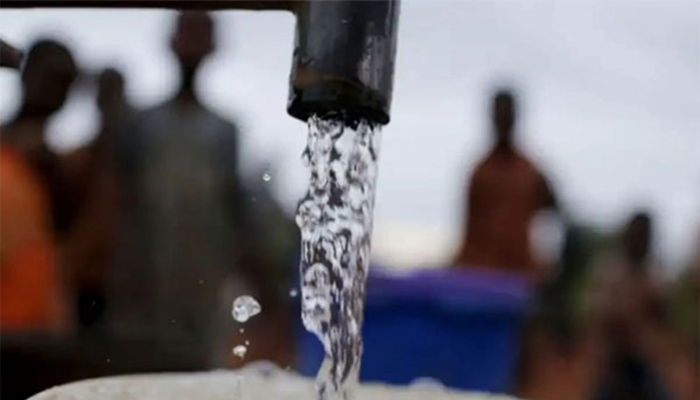
Pakistan's groundwater crisis deepens as experts warn of gallons of water wastage
Summarized and contextualized by DistantNews.
At a glance
News
Sources not specified
Context piece
- Pakistan faces a severe water crisis due to billions of gallons of rainwater being wasted annually instead of replenishing groundwater.
- Experts warn that Punjab's groundwater is declining rapidly, particularly in Lahore, due to urbanization, over-extraction, and poor water management.
- Solutions include rainwater harvesting, recharge wells, and a national water policy to prevent reliance on ancient, non-replenishable fossil water reserves and combat contamination.
Pakistan is rapidly approaching a critical water emergency, with experts highlighting the immense wastage of rainwater that flows into rivers and drains instead of recharging depleted underground reserves. This crisis stems from years of inadequate water management, according to The Express Tribune.
Punjab's groundwater is shrinking at an alarming pace, with Lahore witnessing a steady decline in its water table due to unchecked urbanisation, excessive groundwater extraction, expanding concrete infrastructure and growing demand for water.
Water specialists express grave concern over Punjab's rapidly shrinking groundwater, especially in Lahore. Unchecked urbanization, excessive extraction, expanding concrete infrastructure, and rising water demand have led to a significant decline in the water table. Muhammad Yasin, a water resources expert at Punjab University, stated that Lahore's groundwater level drops by one to one-and-a-half meters each year. Widespread construction has severely hampered the city's natural ability to absorb rainwater, diverting monsoon runoff into drainage systems instead of allowing it to replenish aquifers.
To combat this, experts propose technologies like recharge wells, filtration pits, bioswales, and infiltration systems to restore groundwater and mitigate urban flooding. A joint project by Punjab University and WWF-Pakistan demonstrates a practical approach, channeling runoff through filtration systems before injecting treated water back into aquifers. However, the relentless pumping of shallow aquifers is pushing reliance towards deep fossil water reserves, which are irreplaceable within a human lifetime. Furthermore, groundwater is increasingly contaminated by industrial waste, sewage, agricultural chemicals, and heavy metals, threatening the availability of clean freshwater.
these ancient reserves cannot be naturally replenished within a human lifetime, as cited by The Express Tribune.
Authorities are urged to implement mandatory rainwater harvesting for all new developments, establish community recharge wells, regulate deep aquifer extraction, and enact a comprehensive national water management policy. These measures are crucial to address the escalating water crisis and ensure a sustainable water future for Pakistan.
make rainwater harvesting mandatory in all new housing developments, establish community recharge wells across urban areas, regulate extraction from deep aquifers and introduce a comprehensive national water management policy covering the entire water cycle, as reported by The Express Tribune.
DistantNews Editorial
Originally published by Times of Oman. Summarized and contextualized by our editorial team with added local perspective. Read our editorial standards.
More Stories


From Our Blog

What Gets Lost (and Found) When News Is Translated

The Critical Role of Diaspora Media in Global News

What Travellers Should Know About Countries with Restricted Press

A Digital Nomad's Guide to Following Local News

How the Same Story Looks Different in Different Countries
