

Pakistan's JI party announces August 16 sit-ins against petroleum levy, inflation
Translated from English, summarized and contextualized by DistantNews.
At a glance
News
Sources not specified
Context piece
- Jamaat-i-Islami Pakistan announced simultaneous sit-ins in all four provincial capitals on August 16 to protest a petroleum levy and inflation.
- The party claims over 510 protests were held nationwide, with participants demanding petrol prices be reduced and criticizing the ruling elite for privileges.
- JI chief Hafiz Naeemur Rehman also welcomed a new defense agreement between Pakistan, Saudi Arabia, and Turkiye as a positive development for the Muslim world.
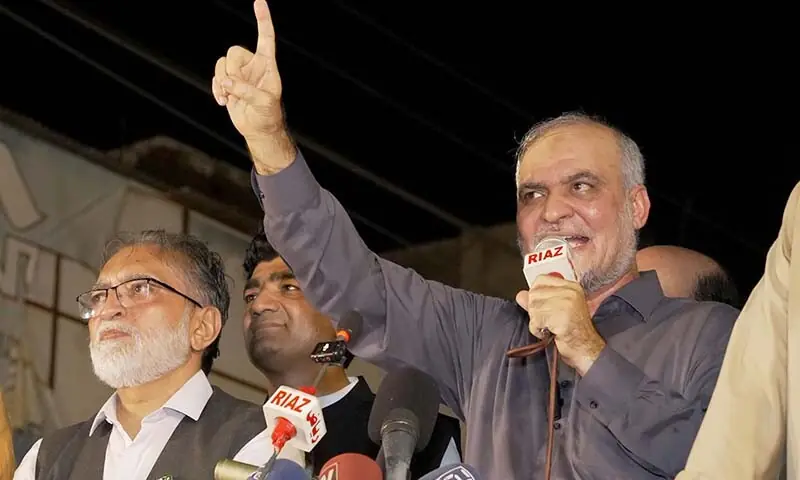
Jamaat-i-Islami Pakistan (JI) plans to intensify its campaign against a petroleum levy and rising inflation with simultaneous sit-ins in all four provincial capitals on August 16. Party chief Hafiz Naeemur Rehman announced the decision following a meeting of JI's central and provincial office-bearers.
becoming a symbol of national unity
The sit-ins will target the Punjab chief minister's house in Lahore and governor houses in Khyber Pakhtunkhwa, Sindh, and Balochistan. Before the demonstrations, JI and its youth and women's wings will use Independence Day activities on August 14 to mobilize support for the party's vision of a just system.
Rehman stated that recent nationwide protests, which saw over 510 organized demonstrations, have given the campaign momentum. He claimed these protests demonstrated JI's growing role as a "symbol of national unity," with diverse participation from across Pakistan. He added that the public rejects the levy and desires petrol prices to be reduced to Rs225 per liter.
The public had rejected the levy and wanted petrol prices reduced to Rs225 per litre.
The JI chief accused the ruling elite of imposing an unbearable inflationary crisis on ordinary citizens while maintaining their own privileges. He criticized their unwillingness to reduce expenses on official aircraft, government vehicles, and perks like free fuel and electricity, contrasting it with the burden of indirect taxes on petroleum products faced by students, motorcyclists, workers, and farmers.
unwilling to give up official aircraft, reduce government vehicle expenses or end perks such as free fuel and electricity
Rehman also commented on international affairs, welcoming the defense agreement between Pakistan, Saudi Arabia, and Turkiye as a "positive development for the Muslim world." He suggested that closer cooperation among Islamic countries could foster a strong bloc and lessen dependence for Pakistan and the broader Muslim world.
Even people whose incomes were below the taxable threshold were effectively being taxed through fuel prices.
DistantNews Editorial
Originally published by Dawn in English. Translated, summarized, and contextualized by our editorial team with added local perspective. Read our editorial standards.
More Stories
From Our Blog

What Gets Lost (and Found) When News Is Translated

The Critical Role of Diaspora Media in Global News

What Travellers Should Know About Countries with Restricted Press

A Digital Nomad's Guide to Following Local News

How the Same Story Looks Different in Different Countries
