

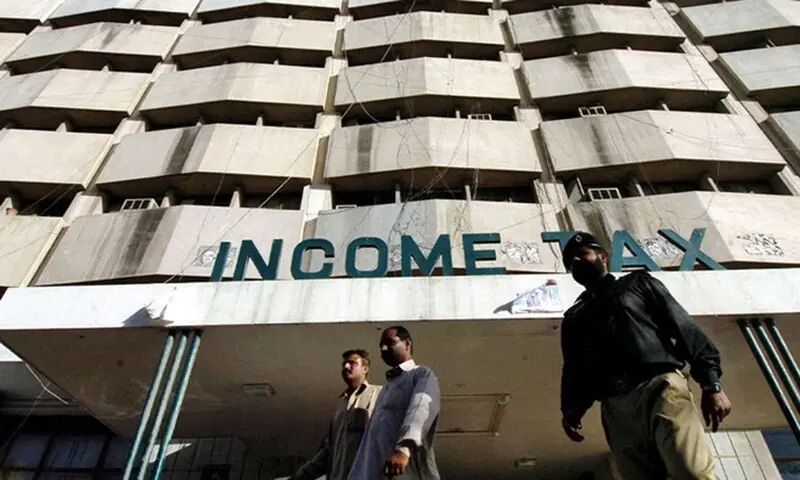

Pakistan's stabilization masks rising poverty and deferred reforms
Translated from English, summarized and contextualized by DistantNews.
At a glance
Analysis
Documents & data
Context piece
- Pakistan's economy has stabilized, but poverty has increased significantly, with fundamental reforms deferred.
- The Economic Survey highlights a tax system with low collection and distortions, an exchange rate managed for comfort over competitiveness, and a broken fiscal federalism model.
- Despite a primary surplus for the first time in two decades, the underlying issues that necessitated stabilization remain unaddressed.
Pakistan's economy has achieved a period of stabilization, but this comes at the cost of rising poverty and the deferral of crucial reforms, according to an analysis of the Economic Survey.
The survey's statistical annex reveals a stark reality contrasting with the government's optimistic press conference. While the government claims inflation is down and growth is returning, the data points to a significant increase in poverty. The stabilization achieved has not addressed the root causes that led to the economic crisis in the first place, a pattern seen in previous years like 2000, 2016, and 2019.
Four fundamental problems plague the economy: a tax system that collects insufficient revenue and distorts economic activity; an exchange rate policy prioritizing comfort over international competitiveness; an industrial policy that has consistently backed underperforming sectors; and a fiscal federalism model that has effectively collapsed. These issues are documented throughout the survey's data.
The article uses the example of a textile exporter to illustrate the impact of these systemic problems. Fluctuations in the rupee's exchange rate against the dollar directly affect the competitiveness of Pakistani exports. When the rupee weakens or domestic costs rise faster than those of competitors, Pakistani goods become more expensive in international markets.
While the government can claim a significant achievement with back-to-back primary surpluses in FY2024 and FY2025 – the first in two decades – this metric, which excludes interest payments on debt, masks the underlying fragility. Creditors closely watch this figure as an indicator of a government's ability to manage its current expenses. However, the survey's data also shows that many nominal figures have grown only due to inflation, while their real purchasing power has shrunk, indicating that the economic gains are not translating into tangible improvements for the population.
DistantNews Editorial
Originally published by Dawn in English. Translated, summarized, and contextualized by our editorial team with added local perspective. Read our editorial standards.
More Stories


From Our Blog

What Gets Lost (and Found) When News Is Translated

The Critical Role of Diaspora Media in Global News

What Travellers Should Know About Countries with Restricted Press

A Digital Nomad's Guide to Following Local News

How the Same Story Looks Different in Different Countries
