


Pakistan's young population could power its economy. The Economic Survey shows why it won't.
Summarized and contextualized by DistantNews.
At a glance
Analysis
Documents & data
Context piece
- Pakistan's large youth population presents a potential demographic dividend, but current policies hinder its realization.
- The Economic Survey 2025-26 highlights macroeconomic stability but fails to address human capital deficits.
- Despite 35 years into a demographic window, Pakistan has not resolved its human capital challenges, risking missed economic opportunities.
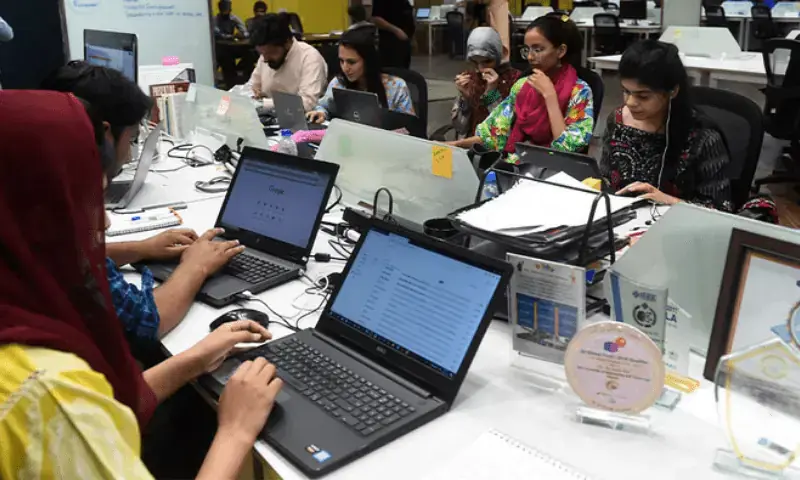
Pakistan stands at a critical juncture, possessing a young and growing population that could fuel economic prosperity. However, current government policies and a persistent focus on macroeconomic stabilization over human capital development threaten to squander this potential demographic dividend.
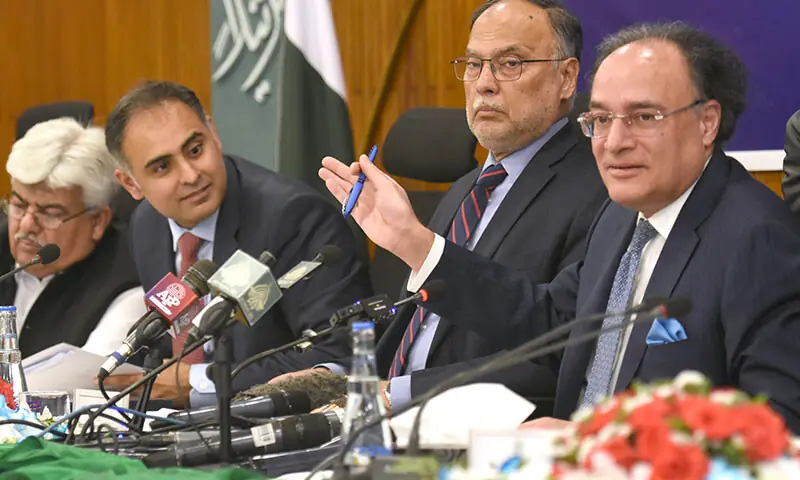
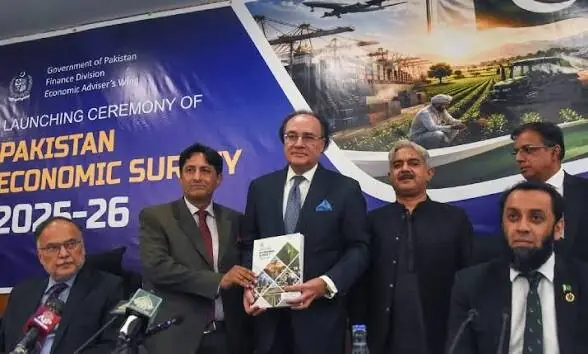
The recently released Economic Survey 2025-26 celebrates achievements like 3.7% GDP growth and a primary surplus. While these indicate macroeconomic stability, they mask a deeper issue: the failure to invest adequately in education, health, and labor market policies. This neglect has prevented the nation from effectively leveraging its youthful demographic.
The answer, I argued then, depended entirely on what governments chose to do, in education, health, and labour market policy, while the window remained open. That window ran from 1990 to roughly 2045 at that time. We are now 35 years into it.
For decades, Pakistan has been within a demographic window, a period typically lasting from around 1990 to 2045, where a large working-age population can drive economic growth. Yet, after 35 years, the country has yet to resolve its fundamental human capital deficits. Without a concerted effort to improve education and healthcare, this window of opportunity risks closing, leaving Pakistan's economy underdeveloped and its youth population underutilized.
But macroeconomic stabilisation and the realisation of a demographic dividend are not the same thing, and a country that has been “stabilising” for 30 years without resolving its human capital deficit must at some point ask: stab
DistantNews Editorial
Originally published by Dawn. Summarized and contextualized by our editorial team with added local perspective. Read our editorial standards.
More Stories
From Our Blog

What Gets Lost (and Found) When News Is Translated

The Critical Role of Diaspora Media in Global News

What Travellers Should Know About Countries with Restricted Press

A Digital Nomad's Guide to Following Local News

How the Same Story Looks Different in Different Countries
