

Pakistan transporters threaten nationwide strike from Aug 8 over taxes, diesel prices
Translated from English, summarized and contextualized by DistantNews.
At a glance
News
Named sources
New plan
- Pakistan's goods transporters will strike nationwide from August 8, threatening supply chains for essential commodities.
- They demand lower diesel taxes and prices, reduced withholding tax, and withdrawal of a law allowing vehicle confiscation for carrying non-duty-paid goods.
- The transporters warn of significant disruption to imports, exports, and essential goods if their demands are not met through immediate government negotiations.
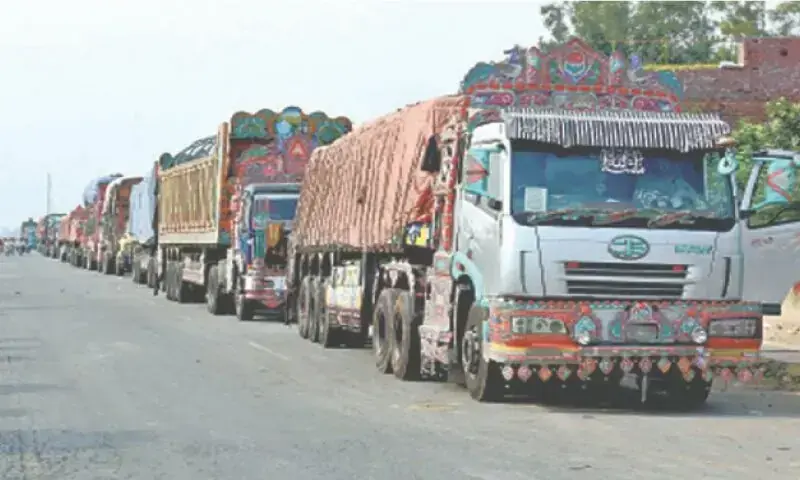
Goods transporters across Pakistan are poised to launch a nationwide "wheel-jam" strike starting August 8, a move that threatens to disrupt the supply of essential commodities. The All Pakistan Goods Transporters Alliance announced the strike, citing an "unprecedented financial crisis" fueled by rising diesel prices, increased taxes, and other government policies.
We have repeatedly approached the government through letters, meetings and media appeals, but no meaningful progress has been made.
Leaders of the alliance, including Muhammad Owais Chaudhry Advocate of the All Pakistan Goods Transport Owners Association, outlined their demands at a press conference. They are calling for a reduction in taxes on diesel and a return of fuel prices to their July 1, 2024, level. Additionally, they seek a decrease in the withholding tax on cargo transporters from seven percent to two percent, arguing that oil tanker operators already pay only two percent.
The transporters also vehemently rejected a provision in the Finance Act 2026 that allows for the confiscation of an entire vehicle if non-duty-paid goods are found on board. They described this measure as unjust and demanded its immediate withdrawal, advocating for the restoration of the previous system of fines. Furthermore, they called for uniform implementation of axle-load regulations, urging that overloading be checked at factories and loading points rather than through roadside enforcement, which they claim has become a revenue-generating tactic.
Unless the government entered into immediate negotiations and accepted their demands, all categories of goods transport, including cargo trucks, containers and oil tankers, would remain off the roads from Aug 8.
Other demands include a simplified procedure for obtaining heavy transport vehicle driving licenses, reduced toll taxes, and an end to daily diesel price adjustments, with transporters preferring fortnightly or monthly revisions for greater certainty. The alliance stated that if the government does not enter into immediate negotiations and address their concerns, all types of goods transport will cease operations. While assuring the strike will be peaceful, with vehicles parked rather than blocking highways, leaders warned of significant consequences for imports, exports, and essential goods, holding the government responsible.
a prolonged shutdown could significantly affect imports, exports and the transportation of essential goods, adding that the government would bear responsibility for the consequences.
DistantNews Editorial
Originally published by Dawn in English. Translated, summarized, and contextualized by our editorial team with added local perspective. Read our editorial standards.
More Stories
From Our Blog

What Gets Lost (and Found) When News Is Translated

The Critical Role of Diaspora Media in Global News

What Travellers Should Know About Countries with Restricted Press

A Digital Nomad's Guide to Following Local News

How the Same Story Looks Different in Different Countries
