


Pakistan Uses Cement On Vedic-era Taxila Walls, Gets 'Delisting' Warning From UN
Summarized and contextualized by DistantNews.
At a glance
News
Sources not specified
Context piece
- Pakistan's use of cement on the ancient walls of the Vedic-era Taxila site has drawn a warning from the UN's cultural body, UNESCO.
- The UN has threatened to 'delist' the site, a UNESCO World Heritage site, if the unauthorized construction continues.
- Taxila, a significant archaeological area, faces potential removal from the World Heritage list due to the controversial preservation methods.
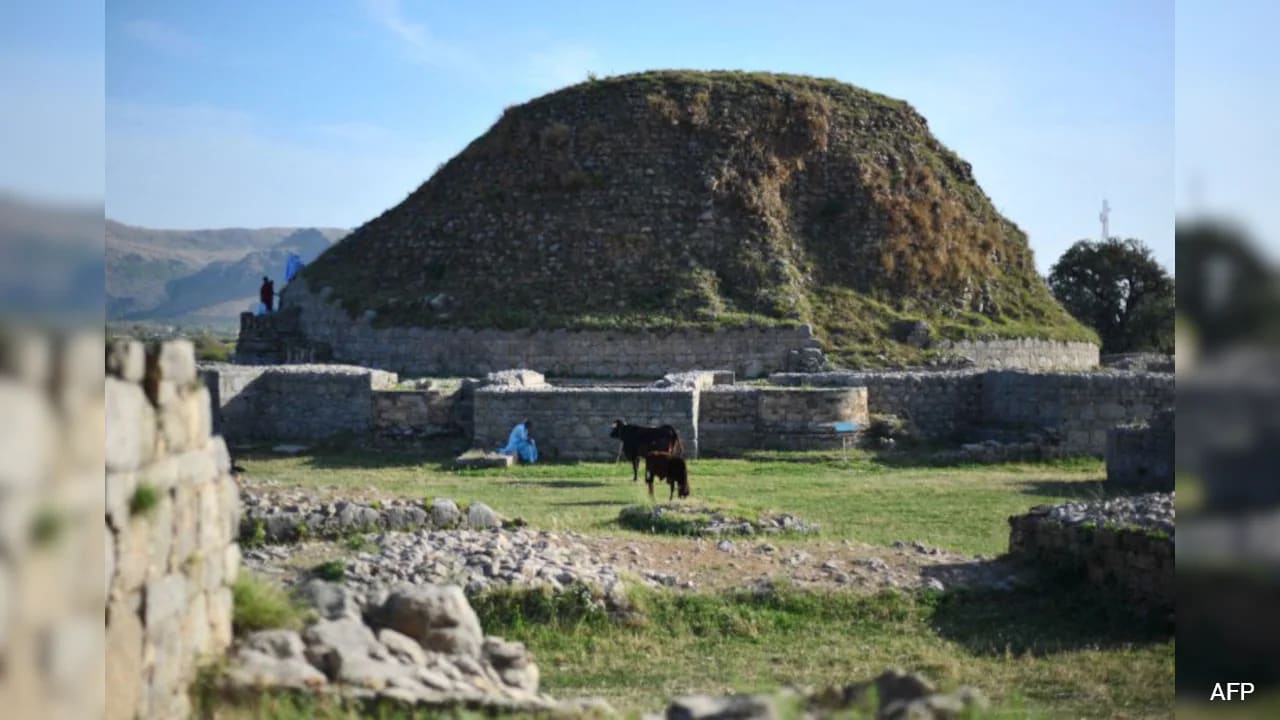
Pakistan faces a stern warning from UNESCO over unauthorized cement work on the ancient walls of Taxila, a site of immense historical significance. The UN's cultural body has threatened to 'delist' the archaeological site, a UNESCO World Heritage designation, if the controversial preservation methods persist.
Taxila, located in the Rawalpindi district of Pakistan's Punjab province, is a vast serial site. It includes a Mesolithic cave and the archaeological remains of four early settlement sites. The site also features Buddhist monasteries, a mosque, and a madrassa, reflecting its rich and layered history.
The use of cement on the ancient walls has raised alarms among heritage conservationists. Such modern materials can irrevocably damage delicate historical structures. The potential 'delisting' by UNESCO would strip Taxila of its international recognition, impacting tourism and global heritage status. This situation highlights a critical tension between development needs and the imperative to preserve irreplaceable historical assets.
DistantNews Editorial
Originally published by NDTV. Summarized and contextualized by our editorial team with added local perspective. Read our editorial standards.
More Stories



From Our Blog

What Press Freedom Means for the News You Read

What Gets Lost (and Found) When News Is Translated

The Critical Role of Diaspora Media in Global News

What Travellers Should Know About Countries with Restricted Press

A Digital Nomad's Guide to Following Local News
