

Pakistani Women Find Freedom and Savings on Electric Scooters
Translated from English, summarized and contextualized by DistantNews.
At a glance
In-depth
Named sources
Context piece
- Pakistani women are increasingly adopting electric scooters as an affordable and independent mode of transport.
- High upfront costs and societal resistance are barriers, but long-term savings and ease of use are driving adoption.
- The government has initiatives to promote EVs, but on-ground implementation remains modest.
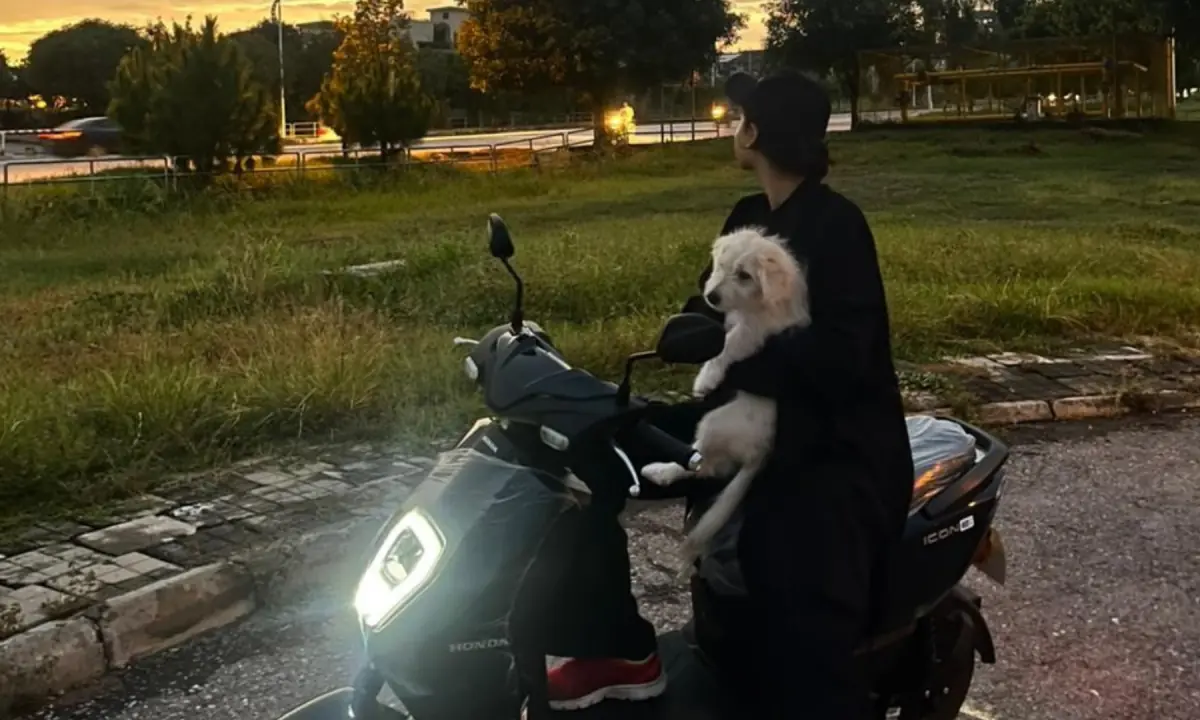
Electric scooters are empowering Pakistani women, offering a path to greater independence and mobility, provided they can afford the initial investment. Esha, a 22-year-old engineering student, named her electric scooter 'Riri' after herself. The Rs420,000 scooter has eliminated her need for other transportation, and its quiet hum as she heads to classes turns heads, drawing admiration from friends who find it "cool" and "easy to handle." In a country where women's movement is often restricted, the sight of a young woman confidently riding an electric bike makes a statement. Esha acknowledges the resistance: the high upfront cost, the societal "what will people say" mentality, and the fear of road incidents. She also believes women's independence makes men uncomfortable, as "control only works when we're dependent." However, the economic argument for freedom is compelling. Soaring petrol prices in Pakistan have made electric two-wheelers increasingly attractive. Esha's family found the math resolved itself: a steep initial cost balanced by undeniable long-term savings, a lighter machine that felt safer, and the ability to travel over 60 kilometers on a single charge, all without relying on petrol or asking for rides. Her family's support stems from knowing she is safe. Sana, 24, another student, chose an electric scooter not for trendiness but because petrol bikes intimidated her with their weight and starting mechanism. The scooter felt manageable and reduced her dependence on others. Dr. Azir from the University of Lahore notes that engineers wearing abayas have suggested designing scooters for easier riding in modest clothing, as they are socially perceived as more appropriate. While the market is responding, government policy implementation lags. The federal government's PAVE initiative aims for 116,000 electric bikes and a 30% EV sales target by 2030, with subsidies funded by a petrol levy. Minister of State Dr. Shezra Mansab Ali Khan Kharal encourages provinces to launch women-specific mobility schemes. However, actual adoption has been far more modest, with only 5,409 units reported in the last period.
My friends think it’s cool. Young women light up in public. They say it looks easy to handle.
DistantNews Editorial
Originally published by Dawn in English. Translated, summarized, and contextualized by our editorial team with added local perspective. Read our editorial standards.
More Stories


From Our Blog

What Gets Lost (and Found) When News Is Translated

The Critical Role of Diaspora Media in Global News

What Travellers Should Know About Countries with Restricted Press

A Digital Nomad's Guide to Following Local News

How the Same Story Looks Different in Different Countries
