

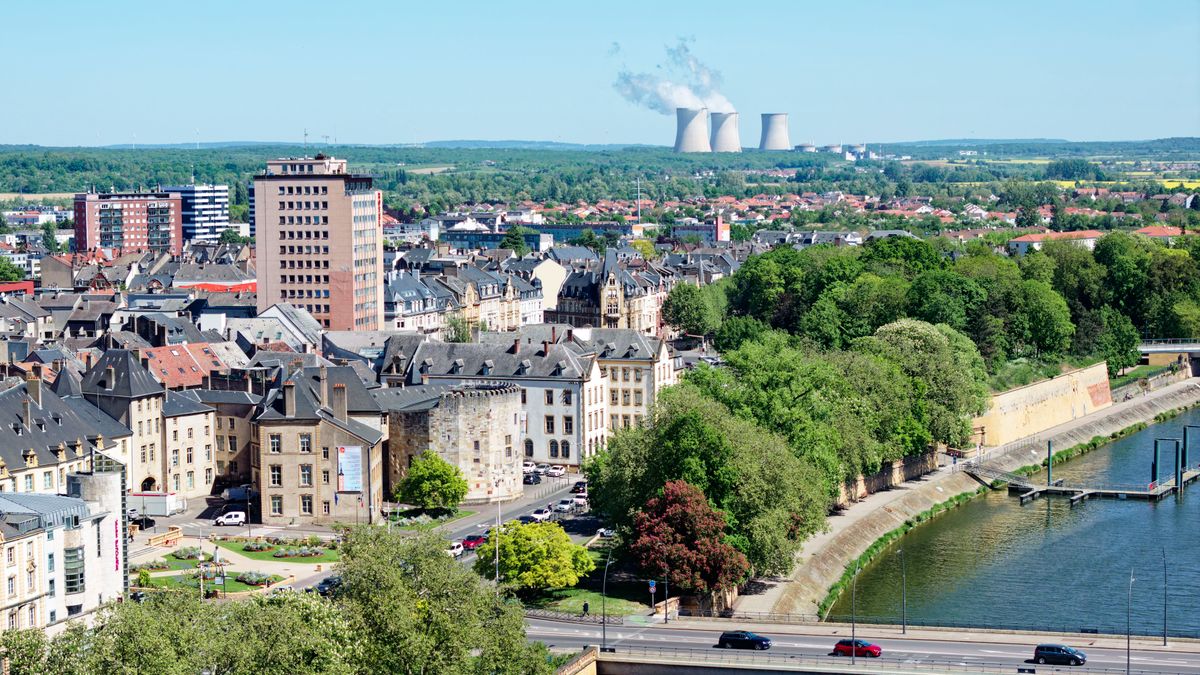
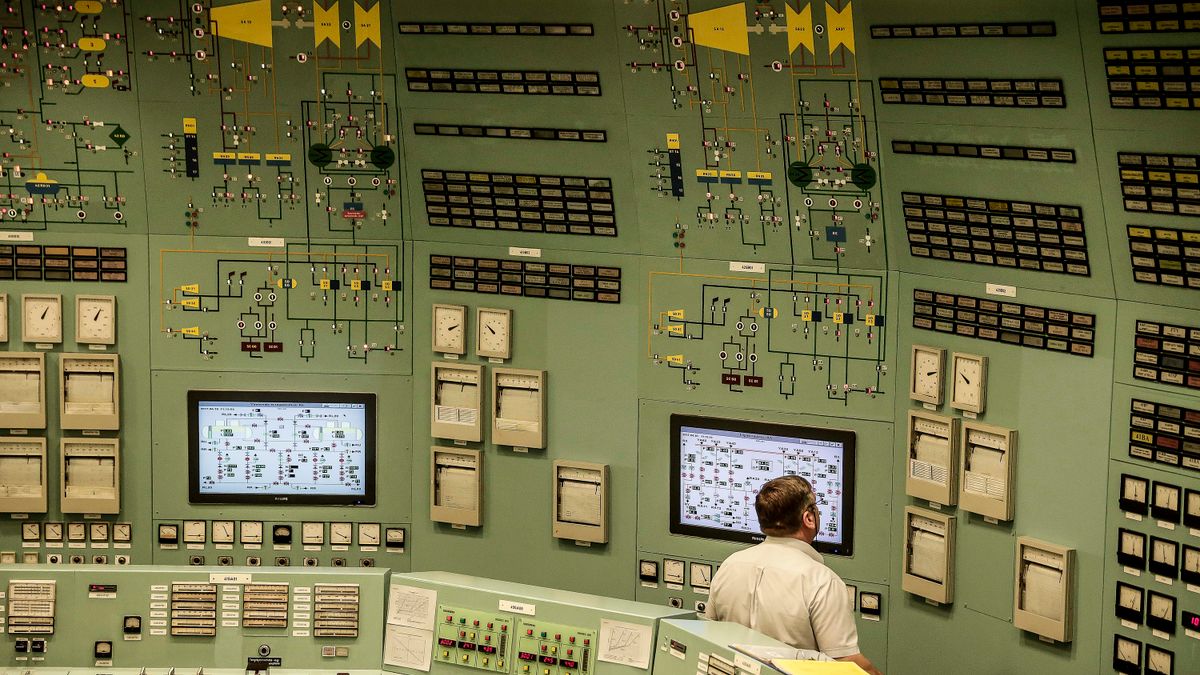
Paks Nuclear Power Plant Faces Challenges with Danube River Temperature Limits
Translated from Hungarian, summarized and contextualized by DistantNews.
At a glance
News
Sources not specified
Context piece
- An expert states that the operational status of Paks II cannot be automatically inferred from Paks I's 2026 performance.
- Paks II includes an auxiliary peak cooling system to manage thermal load, which Paks I lacks.
- The current power reduction at Paks is to comply with environmental temperature limits for the Danube River, not due to cooling safety issues.
The operational performance of the Paks II nuclear power plant cannot be directly extrapolated from the current conditions of the Paks I facility, according to nuclear energy expert Zsolt Hárfás. He noted that Paks II is designed with an auxiliary peak cooling system to manage its thermal load, a feature absent in the existing plant. This system is intended to cool a portion of the heated cooling water before it is returned to the Danube during critical summer periods, providing greater operational flexibility when the river's natural temperature is high.
The operational status of the Paks nuclear power plant in 2026 cannot be automatically inferred from how Paks II will operate under similar conditions in the Danube.
Hárfás emphasized the importance of verifying whether Paks II's own technical systems can adhere to environmental regulations given specific water flow and temperature conditions. He stated that technical solutions must be developed to address these changing environmental factors. Rosatom, the company building the Paks II project, operates nuclear power plants in diverse climatic environments globally, utilizing seawater cooling, managing high humidity, or ensuring operation in extremely cold conditions.
The Paks II project's implementer, Rosatom, builds and operates nuclear power plants in extremely diverse climatic environments worldwide.
The expert clarified that the current reduction in output at the Paks nuclear power plant is not a consequence of compromised reactor cooling safety. Instead, it is a measure taken to comply with the environmental temperature limits set for the Danube River. The core challenge moving forward, Hárfás suggested, is to determine how Hungary's electricity supply can be secured for the next 60 to 80 years while guaranteeing nuclear safety, supply security, and environmental protection.
The current power reduction at the Paks nuclear power plant was not caused by the impossibility of safely cooling the reactors, but in order to comply with the environmental temperature limit of the Danube.
DistantNews Editorial
Originally published by Magyar Nemzet in Hungarian. Translated, summarized, and contextualized by our editorial team with added local perspective. Read our editorial standards.
More Stories
From Our Blog

Countries Without a Free Press: What You Need to Know

What Press Freedom Means for the News You Read

What Gets Lost (and Found) When News Is Translated

The Critical Role of Diaspora Media in Global News

What Travellers Should Know About Countries with Restricted Press
