

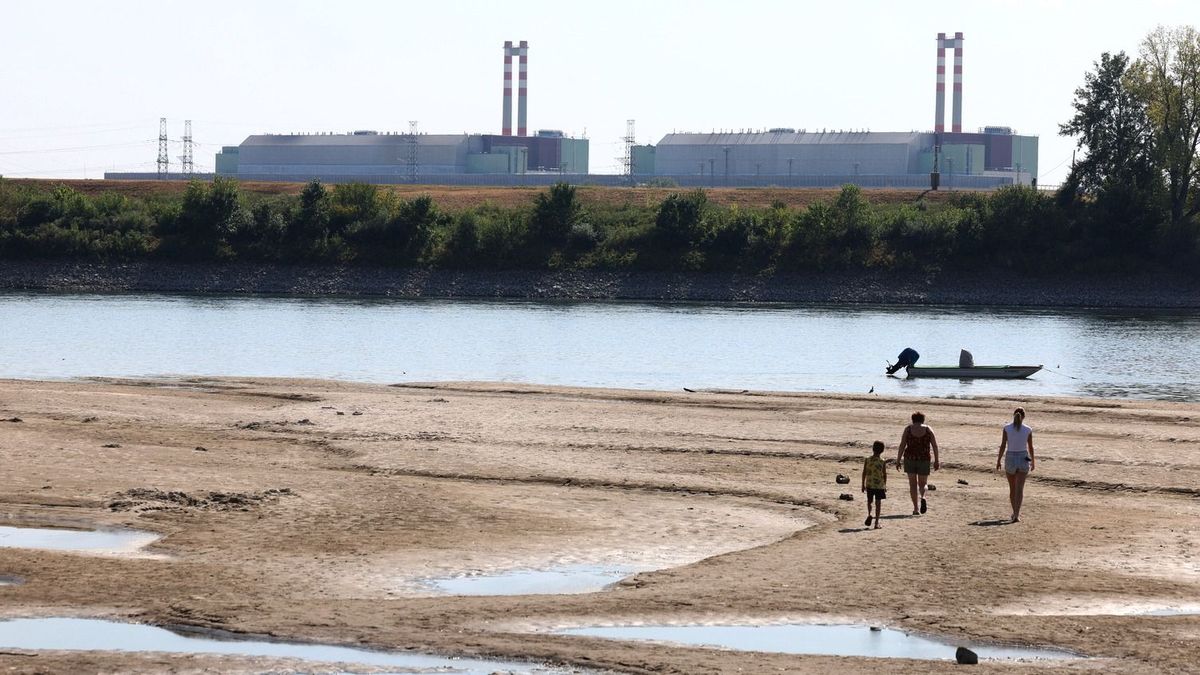
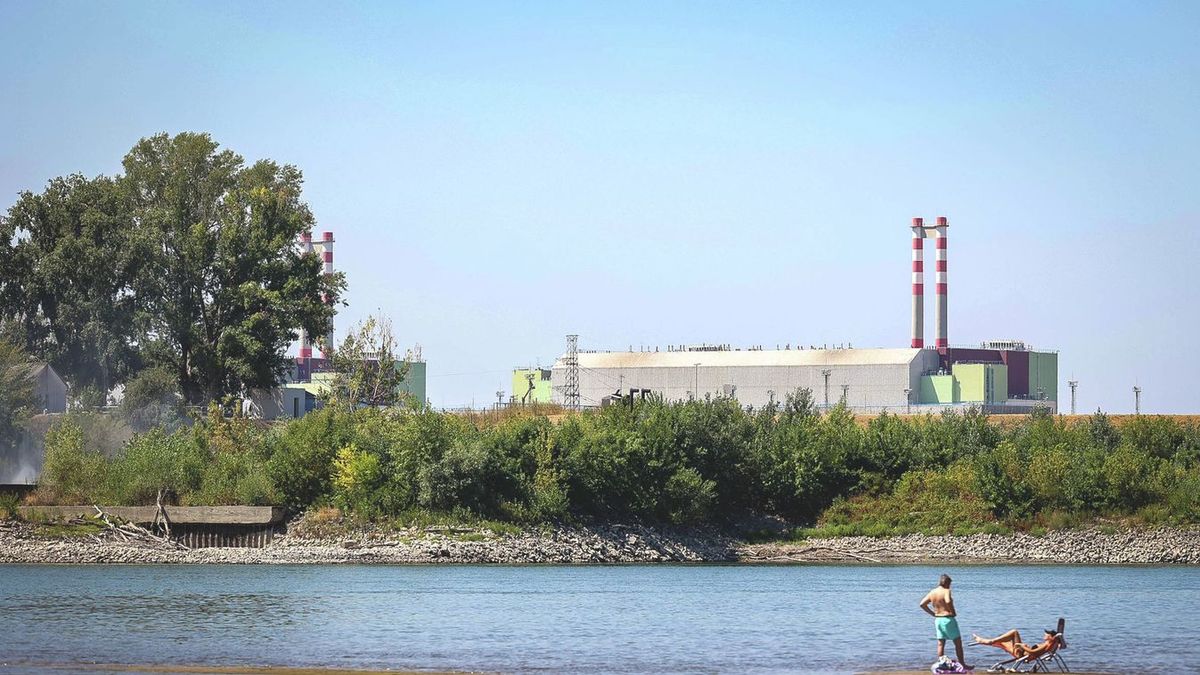
Paks Nuclear Power Plant requires new technical solutions amid energy crisis
Translated from Hungarian, summarized and contextualized by DistantNews.
At a glance
News
Sources not specified
Context piece
- Hungary's electricity system faces significant challenges due to a heatwave and low Danube water levels, impacting domestic production and import capabilities.
- Regional issues, including the shutdown of Romania's Cernavodă Nuclear Power Plant and reduced hydropower output in Austria and the Balkans, further strain electricity supply.
- Experts emphasize the need for domestic production capacity maintenance and development, alongside complex solutions for long-term cooling at the Paks nuclear site, to ensure energy security and sovereignty.
Hungary's electricity grid is under immense pressure as a prolonged heatwave coincides with critically low water levels on the Danube River. These conditions threaten domestic energy production, particularly from the Paks Nuclear Power Plant, and complicate the nation's ability to import electricity.
Import is not a production capacity, but the possibility of purchasing the surplus currently available in other countries. Therefore, import can never fully replace domestic production capacities.
The heatwave is not an isolated Hungarian problem; neighboring countries are also experiencing increased electricity consumption. Compounding the issue, Romania's Cernavodă Nuclear Power Plant, which supplies a fifth of its national energy needs, has been shut down. Maintenance and operational issues at other power plants, coupled with drought-induced reductions in hydropower output from Austria and the Balkans, have further tightened regional supply.
This precarious situation highlights that electricity is not a readily available commodity. Import capacity depends on surplus availability in neighboring countries, making it an unreliable sole solution. Experts stress that domestic production must be maintained and developed, not only for economic reasons but as a fundamental pillar of Hungary's operational capability and energy sovereignty.
The maintenance and development of domestic production capacities is not just an economic issue, but a fundamental condition for Hungary's operational capability and energy sovereignty.
The growing demand for electricity, driven by industrial investments, electric mobility, heat pumps, and digitalization, necessitates not just increased production, for instance through solar power, but also the assurance of a secure supply during critical periods. The government's call for electricity conservation is therefore understandable and responsible, as every kilowatt-hour saved during peak evening hours reduces import reliance, lowers costs, and enhances grid stability.
Therefore, it is completely understandable and responsible for the government to call for economical electricity consumption. Every kilowatt-hour that can be saved during critical evening hours reduces import demand and costs, increases supply security, and places less burden on the electricity system.
However, simply building new nuclear blocks is not a complete solution. Current events underscore the need for a comprehensive assessment of the Paks site's long-term cooling capabilities, considering the potential for such extreme weather events to become more frequent due to climate change. The situation demands complex, integrated solutions to ensure future energy security.
The current events highlight that the long-term cooling of the entire Paks site must be examined in a complex manner.
DistantNews Editorial
Originally published by Magyar Nemzet in Hungarian. Translated, summarized, and contextualized by our editorial team with added local perspective. Read our editorial standards.
More Stories
From Our Blog

Countries Without a Free Press: What You Need to Know

What Press Freedom Means for the News You Read

What Gets Lost (and Found) When News Is Translated

The Critical Role of Diaspora Media in Global News

What Travellers Should Know About Countries with Restricted Press
