


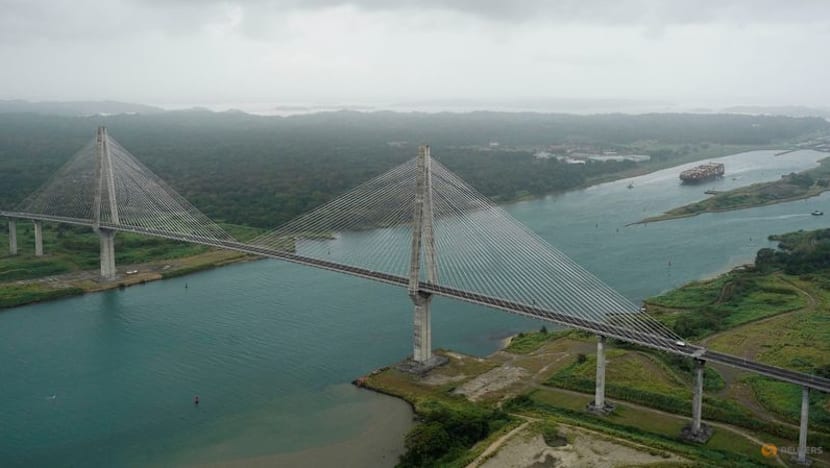
Panama Canal to cap daily transits as El Nino threatens water levels
Translated from English, summarized and contextualized by DistantNews.
At a glance
News
Named sources
New plan
- The Panama Canal Authority will limit daily transits to 34 vessels starting September 4 and 32 vessels from September 15 due to an anticipated severe El Nino season.
- Rainfall has been significantly below average, threatening water levels and the canal's long-term sustainability.
- The canal is also postponing reductions to maximum authorized drafts, meaning ships may need to carry less cargo.
The Panama Canal Authority is implementing new transit limits starting early September, reducing daily vessel passage to 34 and then 32. This measure anticipates a severe El Nino season expected to significantly lower water levels. The canal had previously pledged not to restrict vessel passage but is now adjusting its approach.
The authority cited a substantial deficit in rainfall and watershed inflows, with precipitation 34% below the historical average and inflows down 44%. This reduction in water levels poses a threat to the waterway's long-term sustainability and local water supplies. The anticipated severity of the El Nino event further exacerbates these concerns.
In addition to limiting transits, the canal is also postponing previously scheduled reductions to maximum authorized drafts. These draft limits dictate how much cargo a ship can carry. The delay means vessels might not need to reduce their cargo load as drastically as initially planned, though the overall capacity is still reduced.
Panama Canal administrator Ricaurte Vasquez stated that the experience from previous droughts has prepared the canal for current conditions. He noted that El Nino could last longer than usual this year, necessitating the transit capacity limits. The canal aims to manage the situation proactively, drawing on past experiences to navigate the uncertainty.
The experience of 2023 and 2024 has prepared us well for what we know and has given us the discipline to deal with what we do not know. The canal does not improvise.
DistantNews Editorial
Originally published by CNA in English. Translated, summarized, and contextualized by our editorial team with added local perspective. Read our editorial standards.
More Stories


From Our Blog

What Gets Lost (and Found) When News Is Translated

The Critical Role of Diaspora Media in Global News

What Travellers Should Know About Countries with Restricted Press

A Digital Nomad's Guide to Following Local News

How the Same Story Looks Different in Different Countries
