

Panama Canal to Reduce Ship Traffic Amid El Nino-Fueled Drought
Translated from English, summarized and contextualized by DistantNews.
At a glance
News
Official statement
New plan
- The Panama Canal Authority will reduce the number of daily ship transits starting September 3 due to a severe drought fueled by El Nino.
- Daily transits will decrease from 36 to 34 ships, with a further reduction to 32 planned from September 15.
- The drought, driven by El Nino, is impacting the canal's water levels, which are crucial for its operation and global maritime trade.
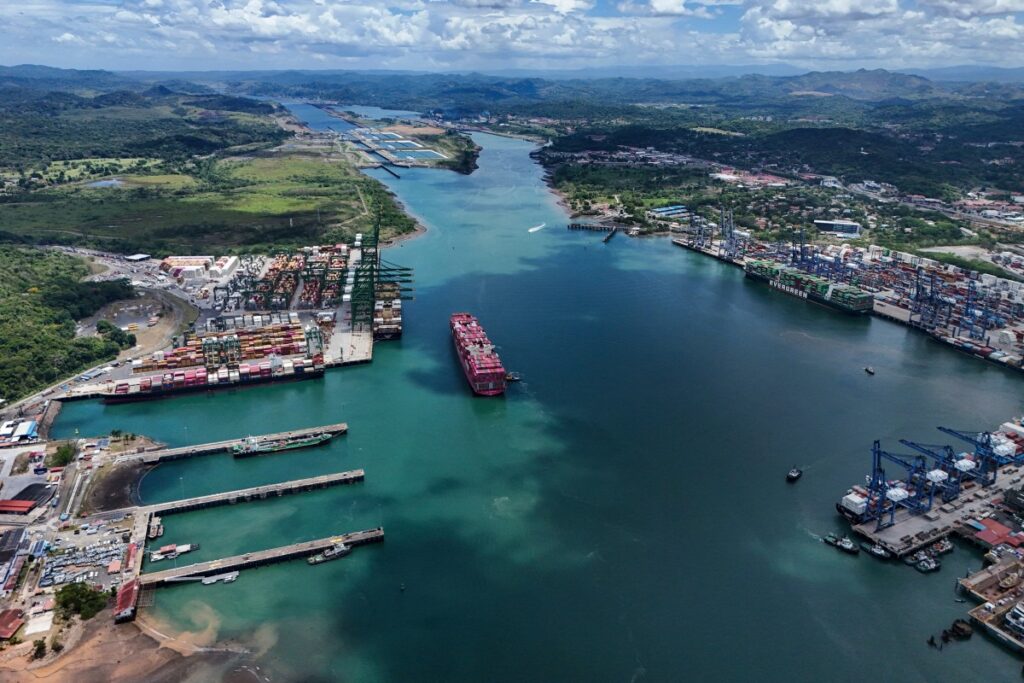
The Panama Canal Authority announced on Thursday that it will reduce the number of daily ship transits beginning next month due to a severe drought exacerbated by the El Nino phenomenon. This measure is necessary to conserve water levels in the strategic waterway that connects the Atlantic and Pacific oceans.
Starting September 3, the daily limit for vessels passing through the canal will be lowered from the current 36 ships to 34. This number is expected to drop further to 32 ships by September 15. The canal relies heavily on rainwater collected in two artificial lakes, and "lower than forecast rainfall in the canal’s watershed" has necessitated these conservation efforts.
Central America is currently experiencing a significant drought, a consequence of El Nino, a weather pattern characterized by warming surface temperatures in the equatorial Pacific Ocean. This phenomenon triggers widespread changes in global weather patterns, including rainfall. The Panama Canal is a vital artery for global commerce, handling approximately five percent of the world's maritime trade and about 40 percent of U.S. container traffic.
The canal operator has already implemented other water-saving measures, such as reducing the maximum draft for the largest ships. El Nino events typically occur every two to seven years, and the current event is shaping up to be one of the most intense on record. The drought alert has also been raised in other Central American nations, with Honduras placing 80 percent of the country under alert.
DistantNews Editorial
Originally published by Jamaica Observer in English. Translated, summarized, and contextualized by our editorial team with added local perspective. Read our editorial standards.
More Stories

From Our Blog

What Gets Lost (and Found) When News Is Translated

The Critical Role of Diaspora Media in Global News

What Travellers Should Know About Countries with Restricted Press

A Digital Nomad's Guide to Following Local News

How the Same Story Looks Different in Different Countries
