

Panama launches scholarship program for 100 youth in agricultural innovation
Translated from Spanish, summarized and contextualized by DistantNews.
At a glance
News
Named sources
New plan
- Panama's President José Raúl Mulino announced a new scholarship program to train 100 young people in agricultural innovation and technology.
- The initiative aims to boost the agricultural sector's contribution to the economy and create job opportunities for youth.
- The program will provide accommodation, meals, and equipped labs for participants, with an initial focus on women.
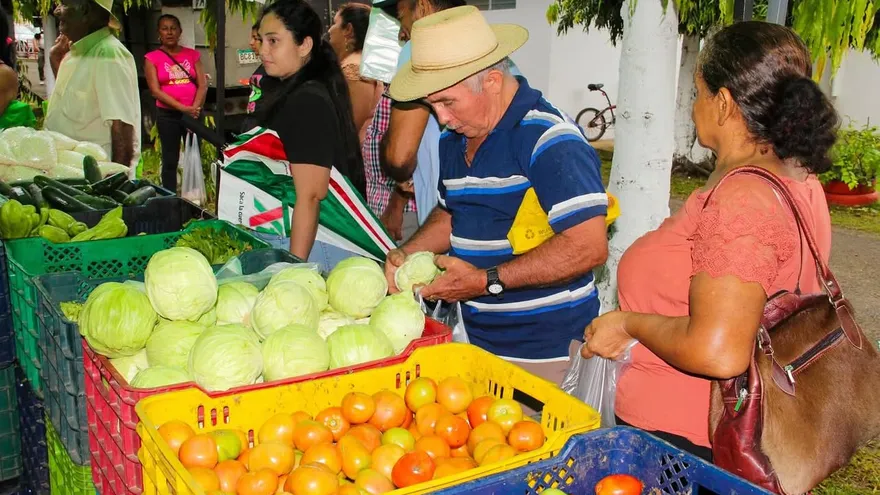
Panamanian President José Raúl Mulino is launching a specialized training program to equip 100 young people with skills in agricultural innovation and new technologies. The initiative aims to revitalize the country's agricultural sector, which currently accounts for approximately 13% of employment but only 2.5% of the Gross Domestic Product (GDP).
The program, set to begin in September, will offer scholarships covering accommodation, meals, and access to equipped classrooms and laboratories. Of the first 100 participants, 50 will be women. The training will feature both national and international instructors, preparing the next generation to tackle challenges facing the agricultural sector, including the effects of the El Niño phenomenon.
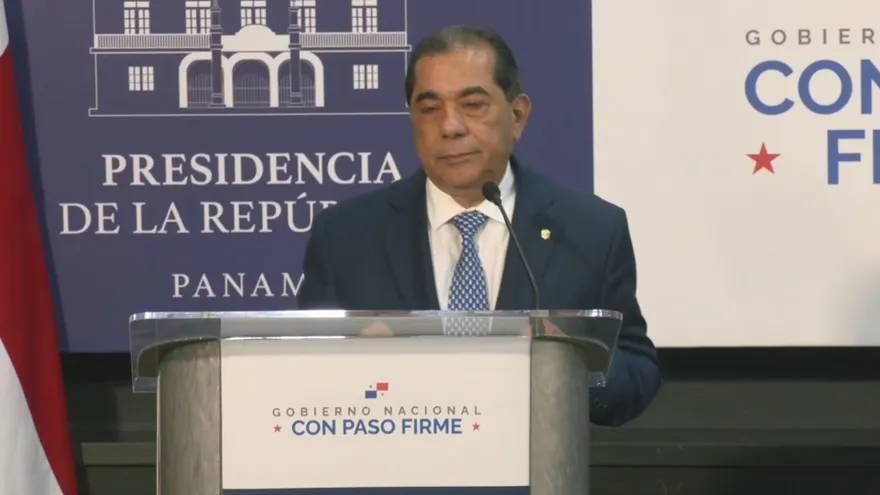
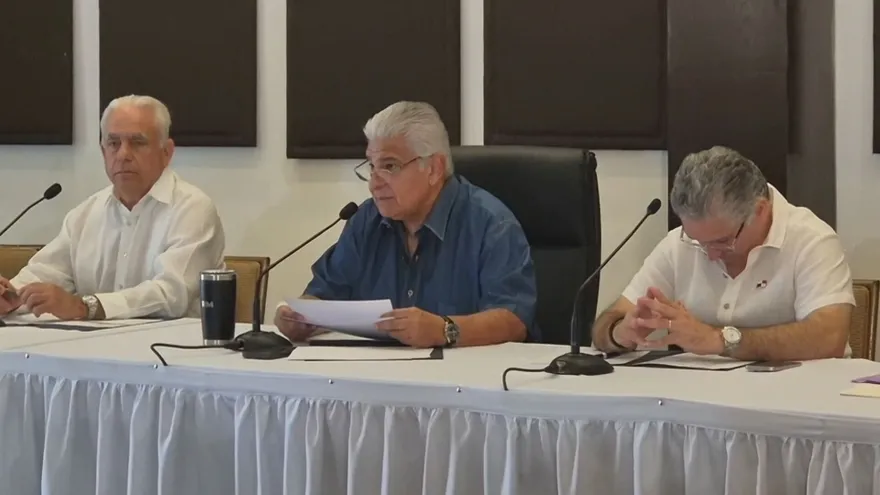
President Mulino announced the program during a meeting in Coclé province with ministers, agricultural producers, and representatives of the Technical Board. The discussion focused on analyzing the conditions of the agricultural sector and developing state policies to create opportunities for young people. The president also mentioned plans to create 2,000 entry-level agricultural jobs for young people to gain practical experience.
This initiative is part of a broader effort to enhance the agricultural sector's economic impact and provide meaningful employment for Panama's youth. The president is expected to provide further details on the outcomes of the meeting and the program's implementation.
DistantNews Editorial
Originally published by TVN Panamá in Spanish. Translated, summarized, and contextualized by our editorial team with added local perspective. Read our editorial standards.
More Stories

From Our Blog

What Gets Lost (and Found) When News Is Translated

The Critical Role of Diaspora Media in Global News

What Travellers Should Know About Countries with Restricted Press

A Digital Nomad's Guide to Following Local News

How the Same Story Looks Different in Different Countries
