

Panama may need more rice imports due to El Niño, high costs, producers warn
Translated from Spanish, summarized and contextualized by DistantNews.
At a glance
News
Sources not specified
New plan
- Panamanian rice producers warn of potential import needs due to El Niño and rising costs.
- They cite reduced planted areas and increased production expenses as key challenges.
- The agricultural marketing institute assures sufficient rice supply at accessible prices.
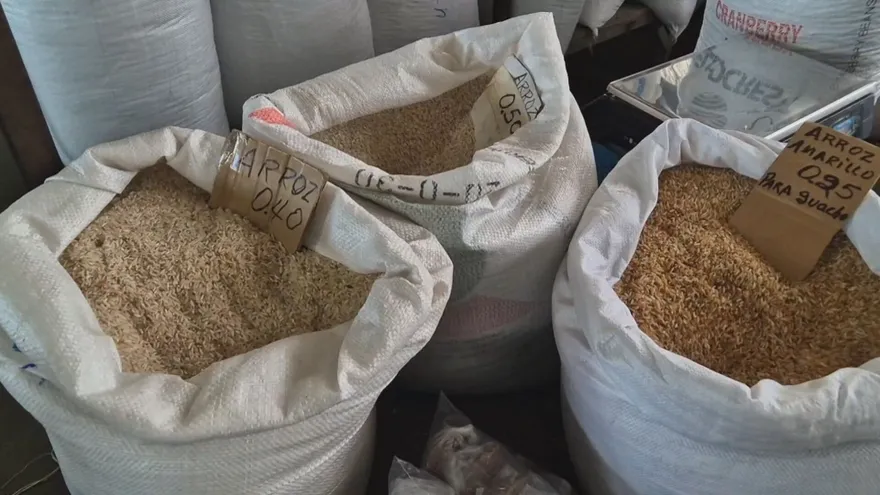
Rice producers in Panama's Chiriquí province are sounding the alarm, warning that the country may need to import more rice than initially anticipated. This projection stems from a combination of factors, including a decrease in planted areas, the adverse effects of the El Niño phenomenon, and escalating production costs.
Producers highlight that this year's rice cultivation faces greater difficulties compared to previous seasons. They note the absence of a compensation program, forcing farmers to shoulder new financial burdens. International factors, such as the impact of global conflicts on input prices and climate conditions linked to El Niño, have particularly affected early rice-growing regions in Chiriquí. These areas are crucial for supplying the market in August and September, but have suffered from irregular rainfall.
Despite these concerns, the Institute of Agricultural Marketing (IMA) asserts that there is enough rice available for the entire population at affordable prices. The IMA reports significant sales, particularly through its popular agro-fairs, with over 10 million pounds sold in Chiriquí alone. Authorities are currently conducting a national inventory assessment, involving various government entities, to determine if the currently authorized import volume will be sufficient to meet demand. Producers, however, believe preliminary data suggests the approved quantity may fall short and await final inspection results.
with a long-term vision that allows strengthening national production in the face of climatic and economic adversies and maintaining the supply of Panamanian rice in the coming years.
DistantNews Editorial
Originally published by TVN Panamá in Spanish. Translated, summarized, and contextualized by our editorial team with added local perspective. Read our editorial standards.
More Stories

From Our Blog

What Gets Lost (and Found) When News Is Translated

The Critical Role of Diaspora Media in Global News

What Travellers Should Know About Countries with Restricted Press

A Digital Nomad's Guide to Following Local News

How the Same Story Looks Different in Different Countries
