

Panama proposes tougher jail terms for violating victim protection orders
Translated from Spanish, summarized and contextualized by DistantNews.
At a glance
News
Sources not specified
New plan
- A proposed bill in Panama aims to increase prison sentences for violating protection orders for victims of violence.
- The bill seeks to amend the Penal Code to address gaps in enforcing judicial orders meant to safeguard victims.
- Current penalties of 6 months to 1 year can be replaced by fines, while the proposal seeks 1 to 6 years imprisonment, eliminating the possibility of fines.
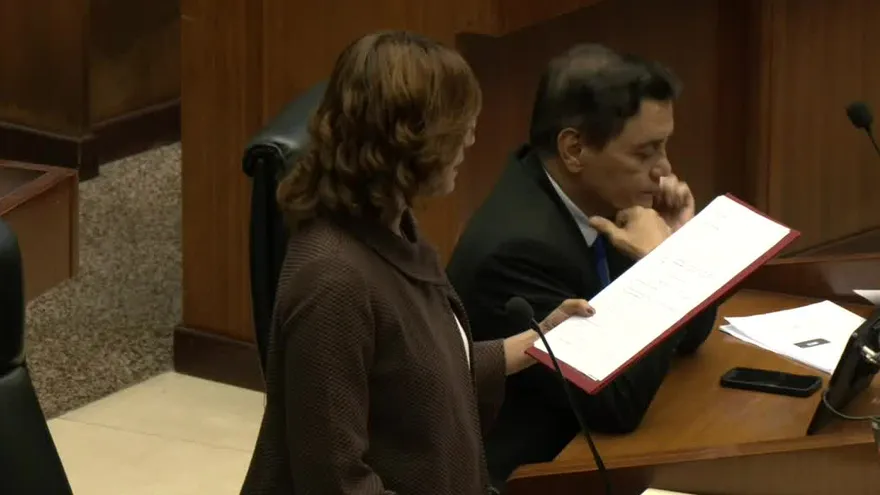
Panama's National Assembly is considering a bill that proposes harsher penalties for individuals who violate protection orders issued for victims of violence. Deputy Yarelis Rodríguez of the Vamos bloc introduced the legislation, aiming to strengthen the Penal Code and rectify deficiencies in the enforcement of judicial orders designed to protect vulnerable individuals.
Rodríguez highlighted a critical gap between the issuance of protection orders and their effective enforcement, which leaves victims in extreme vulnerability. She noted that aggressors often face inadequate consequences, leading to repeated acts of violence, systemic harassment, and, in tragic cases, preventable fatalities. The current law imposes penalties of only six months to one year in prison for violating these measures, with the possibility of replacing jail time with fines.
The proposed amendment seeks to increase the prison sentence range to between one and six years, thereby eliminating the option to commute the penalty to a fine. This adjustment is intended to serve as a more significant deterrent against reoffending and ensure that those who disregard judicial mandates face tangible criminal sanctions.
The bill's proponents argue that stricter enforcement and more severe penalties are essential to curb recidivism in violent acts and provide genuine security for victims. By increasing the potential prison term and removing the fine alternative, the legislation aims to ensure that violations of protection orders are treated with the seriousness they warrant, offering greater assurance of safety for those targeted by violence.
There is a critical problem between the issuance of the judicial order and its effective compliance. With alarming frequency, these measures are violated by those to whom they are addressed, leading to the recurrence of acts of violence, systemic harassment, and, in extreme cases, fatal outcomes that could have been prevented.
DistantNews Editorial
Originally published by TVN Panamá in Spanish. Translated, summarized, and contextualized by our editorial team with added local perspective. Read our editorial standards.
More Stories


From Our Blog

What Gets Lost (and Found) When News Is Translated

The Critical Role of Diaspora Media in Global News

What Travellers Should Know About Countries with Restricted Press

A Digital Nomad's Guide to Following Local News

How the Same Story Looks Different in Different Countries
