

Panama Rice Farmers Request Emergency Declaration Amid Severe El Niño Drought
Translated from Spanish, summarized and contextualized by DistantNews.
At a glance
News
Sources not specified
Ongoing story
- Rice producers in Coclé, Panama, are requesting a state of emergency due to severe drought caused by El Niño.
- The drought has drastically reduced water availability for irrigation, leading to an estimated 80% drop in production.
- Producers warn that if the situation persists, Panama will become heavily reliant on rice imports.
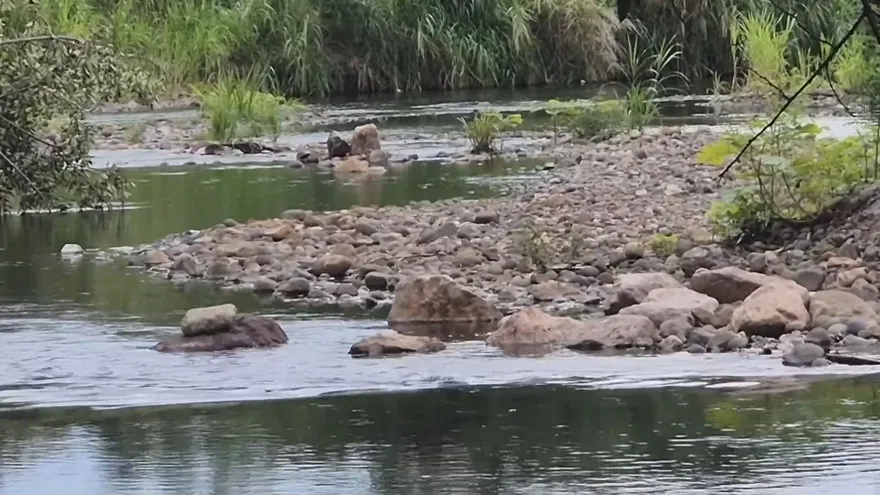
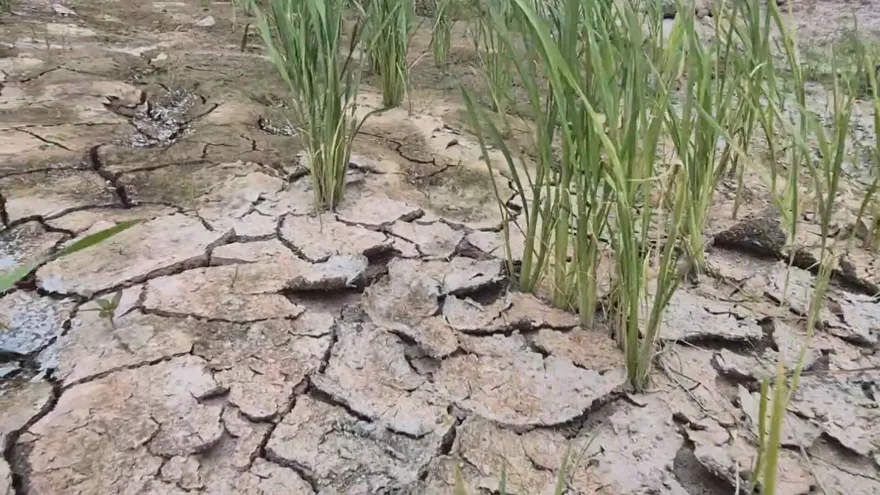
Rice producers in Panama's Coclé province have formally requested the national government declare a state of emergency, citing the devastating effects of the El Niño phenomenon. They assert that the ongoing drought is severely impacting rice production and jeopardizing the second planting season of the year.
The diminished flow of rivers has significantly reduced water available for irrigation systems, resulting in an estimated 80% fall in production. Alfredo Bethancourt, from the Association of Rice Producers of Coclé, stated that out of the approximately 16,000 hectares typically cultivated in the province during this season, only about 1,500 hectares have been planted this year. He anticipates that, even optimistically, this figure might only reach 3,000 hectares. "As of today, in the province of Coclé, only approximately 1,500 hectares have been planted. Normally, the province plants 16,000 hectares. The El Niño phenomenon is worsening, and it is now impossible to think we will have a second harvest this year," Bethancourt explained.
As of today, in the province of Coclé, only approximately 1,500 hectares have been planted. Normally, the province plants 16,000 hectares. The El Niño phenomenon is worsening, and it is now impossible to think we will have a second harvest this year.
In previous years, rains typically normalized by September, allowing for a second planting. However, current forecasts do not offer such hope. Bethancourt warned that a reduction in national production would force the country to depend more heavily on imported rice. "The country will depend, starting next year, on imports for at least 50% of its rice," he stated.
Furthermore, rice cultivation that relies on rainfall faces increasingly complex challenges due to the lack of precipitation, high production costs, and unfavorable international reference prices, all of which have reduced profitability. Constant monitoring indicates that river flows are at historically low levels, affecting both irrigated farms and rain-fed crops. The producers' plea highlights the critical situation facing the agricultural sector and the potential food security implications for Panama.
The country will depend, starting next year, on imports for at least 50% of its rice.
DistantNews Editorial
Originally published by TVN Panamá in Spanish. Translated, summarized, and contextualized by our editorial team with added local perspective. Read our editorial standards.
More Stories

From Our Blog

What Gets Lost (and Found) When News Is Translated

The Critical Role of Diaspora Media in Global News

What Travellers Should Know About Countries with Restricted Press

A Digital Nomad's Guide to Following Local News

How the Same Story Looks Different in Different Countries
