

Panama's Coclé rivers remain low amid El Niño concerns
Translated from Spanish, summarized and contextualized by DistantNews.
At a glance
News
Sources not specified
Context piece
- Rivers in Panama's Coclé province are experiencing low water levels despite recent rainfall, raising concerns about the impact of El Niño.
- Environmental authorities are monitoring the situation, as high temperatures prevent sustained recovery of water sources.
- Officials warn that El Niño, combined with climate change and human activities like pollution, poses a significant challenge to water availability.
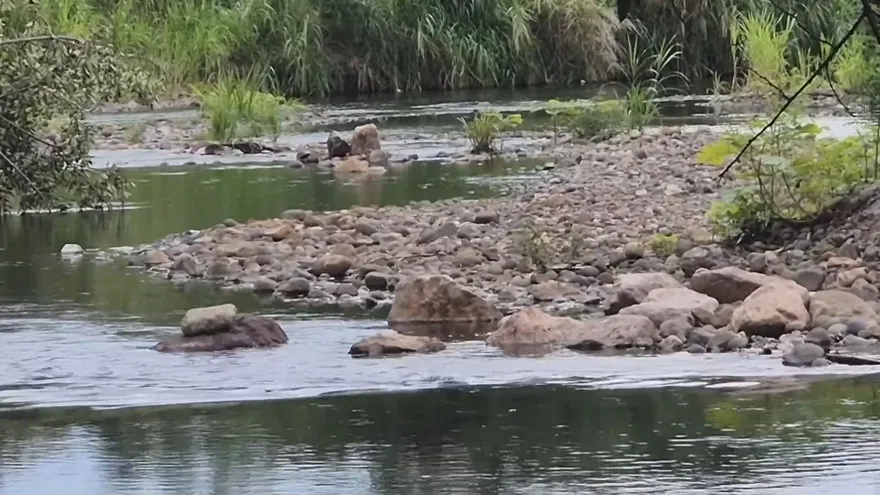
Despite recent rains in Panama's Coclé province, the main rivers are maintaining low levels, prompting environmental authorities to maintain close surveillance due to the potential effects of the El Niño phenomenon on water resources. The Ministry of Environment (MiAmbiente) noted that while some areas have received precipitation, high temperatures are hindering a sustained recovery of water flow, as water diminishes rapidly.
This situation is compounded by rising river levels reported in the northern district of Penonomé, a direct result of rainfall in the upper basins. Ricardo Montenegro, the regional director of MiAmbiente in Coclé, cautioned that El Niño, coupled with climate change and negligent human activities, presents a formidable challenge to water availability. He emphasized that river pollution further exacerbates the problem, making access to water difficult if current practices continue.
The phenomenon of El Niño, even that as a complement, climate change, the activities that humans carry out negligently, but we are also polluting our rivers; therefore, we cannot have access to water if we continue polluting our rivers and do not take the phenomenon of El Niño as an imminent problem in the province.
Montenegro specifically highlighted the Chico River as a source of significant concern due to its historical tendency for reduced flow. "The Chico River has its particularity, it is a river that tends to lower its flow rates; obviously, this alerts us much more due to the situation we have already explained, but we are carrying out the relevant measurements to have real data on how the river flows are behaving," he stated.
In response, MiAmbiente plans to conduct flow measurements across various water sources in the province to assess El Niño's impact. The data gathered will be crucial for developing joint strategies with producers and residents to mitigate the effects of this climate phenomenon on the province's water supply.
The Chico River has its particularity, it is a river that tends to lower its flow rates; obviously, this alerts us much more due to the situation we have already explained, but we are carrying out the relevant measurements to have real data on how the river flows are behaving.
DistantNews Editorial
Originally published by TVN Panamá in Spanish. Translated, summarized, and contextualized by our editorial team with added local perspective. Read our editorial standards.
More Stories

From Our Blog

What Gets Lost (and Found) When News Is Translated

The Critical Role of Diaspora Media in Global News

What Travellers Should Know About Countries with Restricted Press

A Digital Nomad's Guide to Following Local News

How the Same Story Looks Different in Different Countries
