

Panama's Sinaproc monitors rivers and weather in Bocas del Toro amid rainfall
Translated from Spanish, summarized and contextualized by DistantNews.
At a glance
News
Named sources
Context piece
- Panama's National Civil Protection System (Sinaproc) is monitoring weather and river levels in Bocas del Toro province due to ongoing rainfall.
- Surveillance is focused on the Changuinola and Sixaola rivers, as well as other water bodies in the region.
- Sinaproc urges citizens to stay informed, follow official recommendations, and avoid crossing rivers or flooded areas.
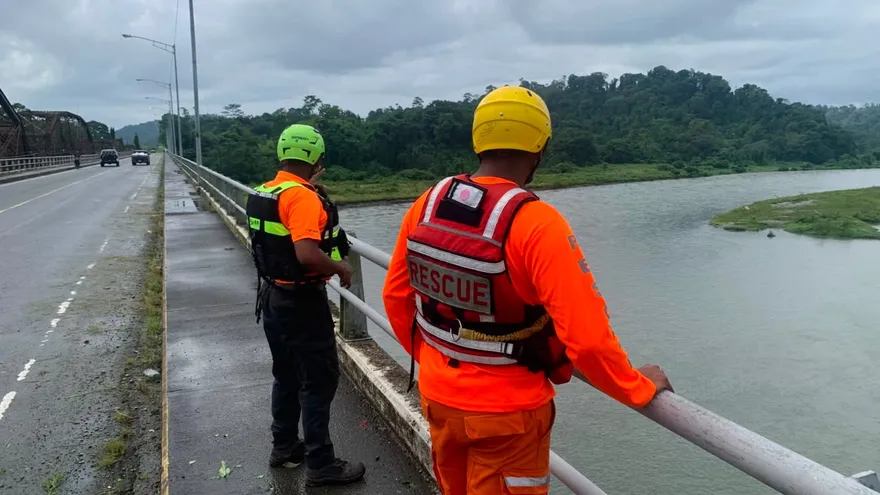
Panama's National Civil Protection System (Sinaproc) is maintaining constant vigilance over meteorological conditions and the behavior of major rivers in the Bocas del Toro province. This heightened monitoring comes in response to persistent rainfall across various sectors of the region.
As of Friday morning, Sinaproc's operational personnel and equipment are tracking conditions in several districts, including Changuinola and Chiriquí Grande, as well as areas within the Ngäbe-Buglé indigenous territory. Key rivers under observation include the Sixaola and Changuinola rivers, alongside other significant water bodies in the province. Sinaproc relies on information from volunteers, community coordinators, and security and response personnel for its surveillance efforts.
The agency is paying particular attention to communities situated in border areas and those located near rivers. The objective is to promptly detect any potential rise in water levels, intense rainfall, or other conditions that could pose a risk to the population. Sinaproc has reiterated its call for citizens to stay informed through official channels and adhere to the guidance provided by authorities.
Furthermore, Sinaproc strongly advises against crossing rivers, streams, or flooded areas, whether on foot or by vehicle, especially during periods of rain. This warning is due to the inherent danger posed by sudden increases in water flow and volume.
DistantNews Editorial
Originally published by TVN Panamá in Spanish. Translated, summarized, and contextualized by our editorial team with added local perspective. Read our editorial standards.
More Stories
From Our Blog

What Gets Lost (and Found) When News Is Translated

The Critical Role of Diaspora Media in Global News

What Travellers Should Know About Countries with Restricted Press

A Digital Nomad's Guide to Following Local News

How the Same Story Looks Different in Different Countries
