

Panama Suspends Classes in Ngäbe-Buglé Due to Weather; Partial Resumption in Bocas del Toro
Translated from Spanish, summarized and contextualized by DistantNews.
At a glance
News
Official statement
Ongoing story
- Classes remain suspended in 172 schools in Ñö Kribo, Ngäbe-Buglé region, Panama, due to adverse weather conditions and a yellow alert.
- Adverse factors include high tides, saturated soil, and overflowing rivers, posing risks to students and staff.
- In Bocas del Toro, classes will partially resume, but 20 schools will stay closed due to ongoing climate-related risks.
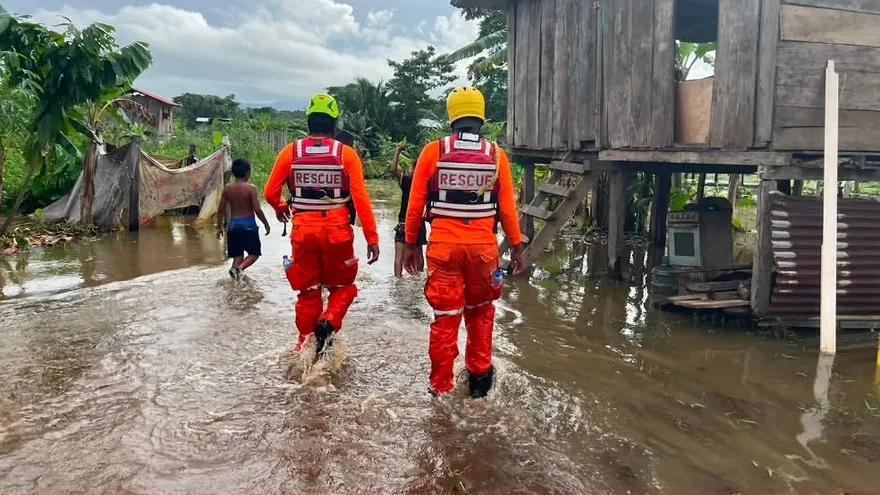
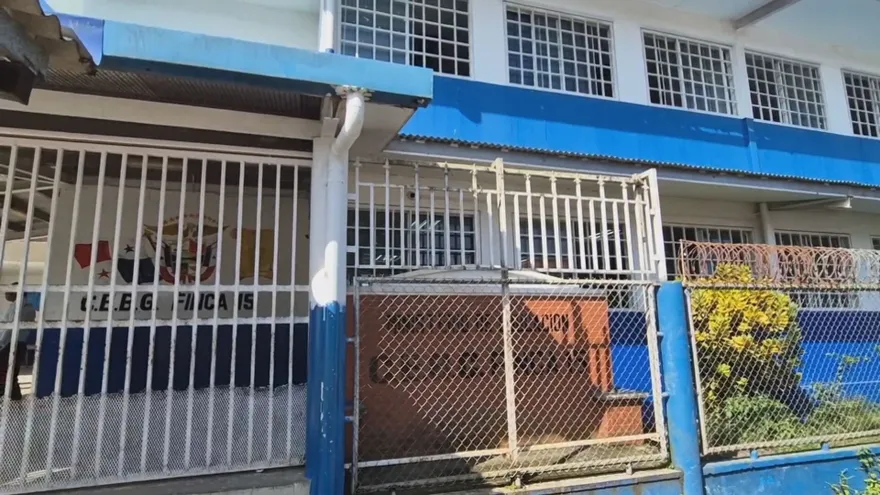
The Ministry of Education (Meduca) in Panama will maintain the suspension of classes for Tuesday, August 18, across all 172 educational centers in the Ñö Kribo region of the Ngäbe-Buglé comarca. This decision stems from adverse weather conditions and a yellow alert issued by the National Civil Protection System (Sinaproc).
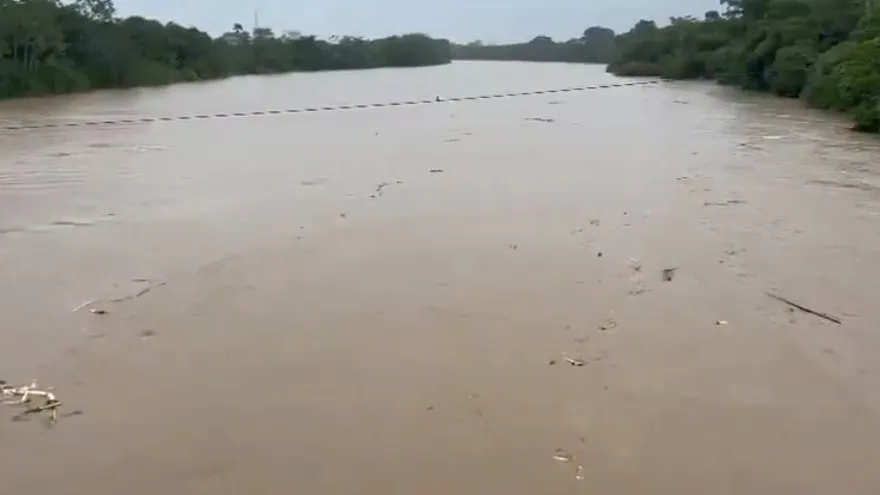
The affected areas include school zones 1 through 18. The suspension is a precautionary measure against risks posed by high tides, saturated soil, and swollen rivers and streams, which threaten the safety of students, teachers, and the wider educational community. Meduca is in constant communication with the Comarcal Emergency Operations Center, Sinaproc, the Institute of Meteorology and Hydrology of Panama (IMHPA), and other relevant authorities to monitor the evolving weather situation.
Meanwhile, in the Bocas del Toro region, classes are set to resume in most schools on August 18. However, Meduca has decided to keep 20 specific schools closed due to persistent risks associated with the climate. These schools include C.E.B.G. Santa Marta Abajo, Escuela Santa Marta Arriba, and Escuela Bilingüe Teobroma, among others listed.
Authorities continue to monitor meteorological and hydrological conditions in the province, particularly the potential for river flooding and landslides. Meduca urges school directors and educational authorities to assess local conditions and implement preventive measures to ensure the safety of students and staff. Further actions may be taken based on the developing weather patterns.
DistantNews Editorial
Originally published by TVN Panamá in Spanish. Translated, summarized, and contextualized by our editorial team with added local perspective. Read our editorial standards.
More Stories
From Our Blog

What Gets Lost (and Found) When News Is Translated

The Critical Role of Diaspora Media in Global News

What Travellers Should Know About Countries with Restricted Press

A Digital Nomad's Guide to Following Local News

How the Same Story Looks Different in Different Countries
