

Panamanian cattle farmers seek to boost national herd with technology and genetic improvement
Translated from Spanish, summarized and contextualized by DistantNews.
At a glance
News
Sources not specified
Context piece
- Panamanian cattle producers will gather to discuss challenges including climate change and declining herd numbers.
- The event aims to share technologies and strategies to boost productivity and prepare for phenomena like El Niño.
- Concerns include a 5% drop in the national cattle population and low reproductive efficiency, impacting potential exports.
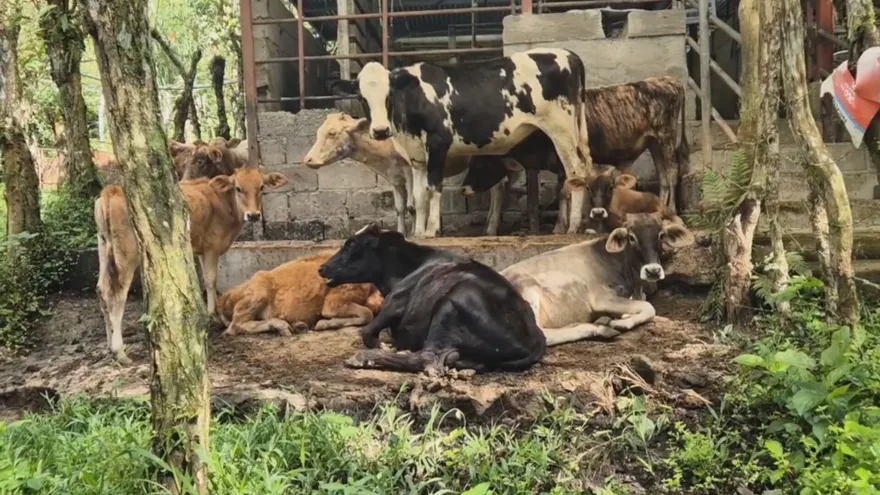
Panamanian cattle producers are set to convene for the Congress and Fair of Meat and Milk in David, Chiriquí, on July 9-10. The gathering aims to address critical issues facing the national livestock sector, primarily the reduction of the national herd, the impacts of climate change, and the urgent need to integrate new technologies for increased productivity.
Organizers highlighted the congress's goal to equip producers with tools to confront climatic events such as El Niño and enhance farm efficiency through updated management practices. "We want to train all cattle ranchers, producers, students, and technicians on how to conduct climate change-focused cattle farming, identify breeds and crosses that perform best in our environment, and elevate the livestock sector to the position the country truly needs," stated one organizer.
The sector faces a significant challenge with a nearly 5% decrease in the bovine population, according to the latest agricultural census. This decline is particularly concerning given the rising global demand for meat. Producers aim to prepare for national demand and explore export opportunities. Currently, Panama has approximately 1.5 million cattle, with about 800,000 breeding cows. However, specialists point to low reproductive efficiency, with many cows exceeding the ideal 20-month interval between calvings.
The congress will feature research on genetic improvement, animal nutrition, adapting breeds to tropical climates, and pasture management. Experts emphasize that genetic advancements must be paired with proper nutrition to achieve optimal productivity. "There is no genetic improvement without good foundations, such as pastures, supplements, and minerals that allow that potential to be expressed," they explained. Practical workshops will also be held to facilitate hands-on learning.
Additionally, the illegal transfer of cattle to Costa Rica and livestock theft were discussed as ongoing issues affecting the sector, prompting calls for increased controls.
DistantNews Editorial
Originally published by TVN Panamá in Spanish. Translated, summarized, and contextualized by our editorial team with added local perspective. Read our editorial standards.
More Stories

From Our Blog

What Gets Lost (and Found) When News Is Translated

The Critical Role of Diaspora Media in Global News

What Travellers Should Know About Countries with Restricted Press

A Digital Nomad's Guide to Following Local News

How the Same Story Looks Different in Different Countries
