

Parasitic fly that eats live tissue detected in U.S. for first time since 1966
Translated from Finnish, summarized and contextualized by DistantNews.
At a glance
News
From a news agency
Ongoing story
- The U.S. Department of Agriculture confirmed the first detection of screwworm larvae in an animal since 1966, found in a calf near the Mexican border.
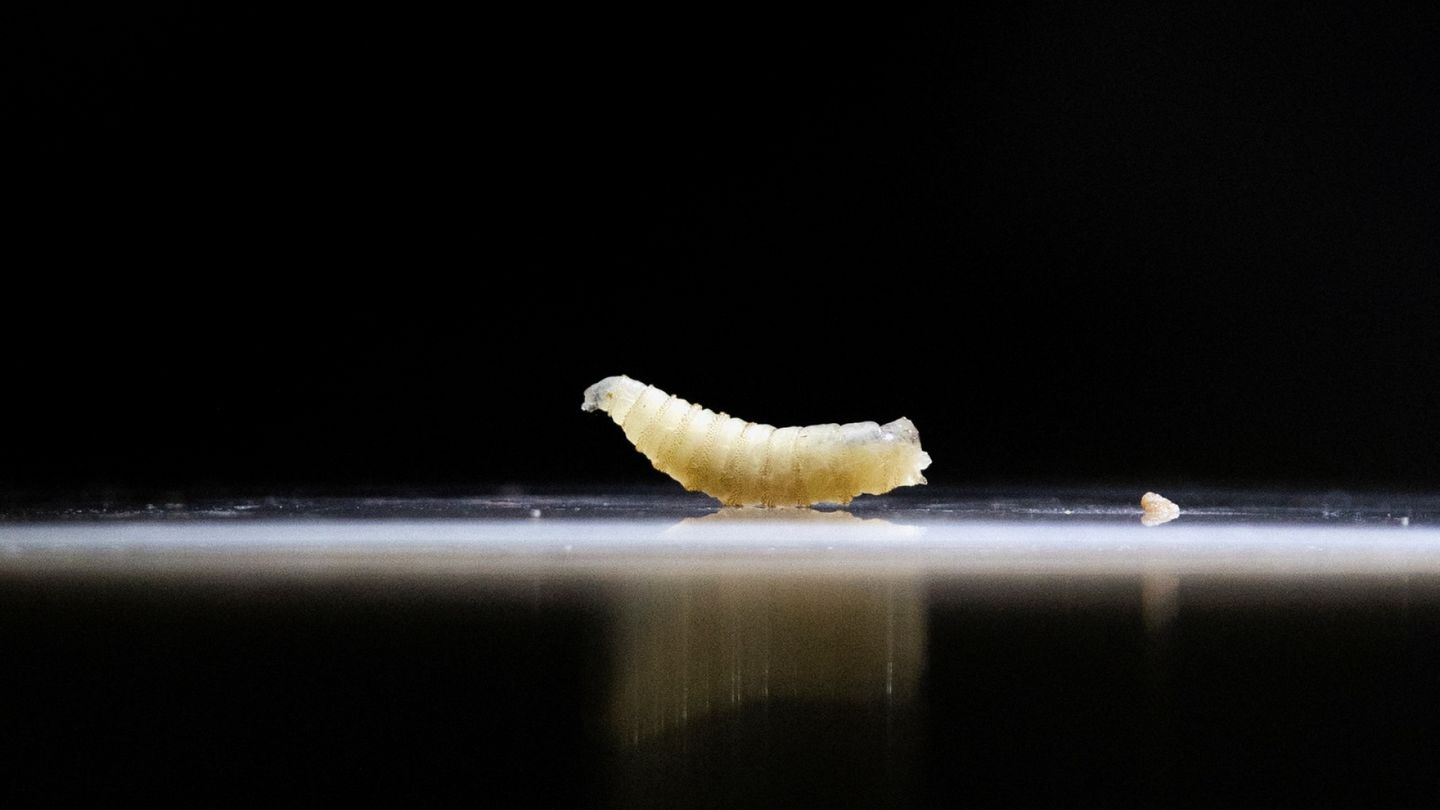
- The larvae, from the Cochliomyia hominivorax fly, feed on live animal and sometimes human tissue, potentially causing death if untreated.
- Authorities have established a 20-kilometer exclusion zone and released sterile flies to prevent spread, while the incident could impact U.S. cattle ranchers already facing reduced herds and high consumer prices.
The United States has confirmed its first animal infection by the New World screwworm since 1966, a parasitic fly whose larvae consume live tissue. The U.S. Department of Agriculture (USDA) announced the detection in a calf in La Pryor, Texas, located about 50 kilometers from the Mexican border.
Brooke Rollins, head of the USDA's Animal and Plant Health Inspection Service, stated this is the only confirmed case in the country. The USDA has implemented a 20-kilometer exclusion zone around the infection site and is releasing sterile flies to combat the parasite's spread. Rollins expressed confidence that the outbreak is not widespread and that each case can be contained.
The Cochliomyia hominivorax fly lays eggs in open wounds of warm-blooded animals. Upon hatching, hundreds of larvae burrow into living tissue, expanding the wound and potentially leading to the host's death if left untreated. While the parasite can infect humans and pets, experts consider the risk to people to be low. However, homeless individuals are considered particularly vulnerable due to sleeping outdoors and having limited access to hygiene and healthcare.
This Texas case poses a significant threat to U.S. cattle ranchers. For over a year, the U.S. has maintained a ban on Mexican cattle imports to prevent a widespread infestation. The screwworm's potential spread could further reduce the U.S. cattle herd, already at a 75-year low, exacerbating decreased beef production and record-high consumer prices. Experts estimate that the screwworm's proliferation in Texas alone could cost the cattle industry up to $1.8 billion.
We don't think this is a widespread infestation. We're able to contain each case.
DistantNews Editorial
Originally published by Helsingin Sanomat in Finnish. Translated, summarized, and contextualized by our editorial team with added local perspective. Read our editorial standards.
More Stories



From Our Blog

What Gets Lost (and Found) When News Is Translated

The Critical Role of Diaspora Media in Global News

What Travellers Should Know About Countries with Restricted Press

A Digital Nomad's Guide to Following Local News

How the Same Story Looks Different in Different Countries
