

Parties' summer tours: »The FPÖ feels no pressure«
Translated from German, summarized and contextualized by DistantNews.
At a glance
Analysis
Named sources
Context piece
- Austrian politicians are undertaking summer tours during the parliamentary break, with different approaches from the Chancellor and Vice Chancellor.
- Chancellor Karl Nehammer travels as head of government, using taxpayer funds for events with a select audience chosen by pollsters.
- SPÖ leader Andreas Babler is visiting traditional venues like clubhouses and festivals, implicitly criticizing the FPÖ's lack of similar public engagement.
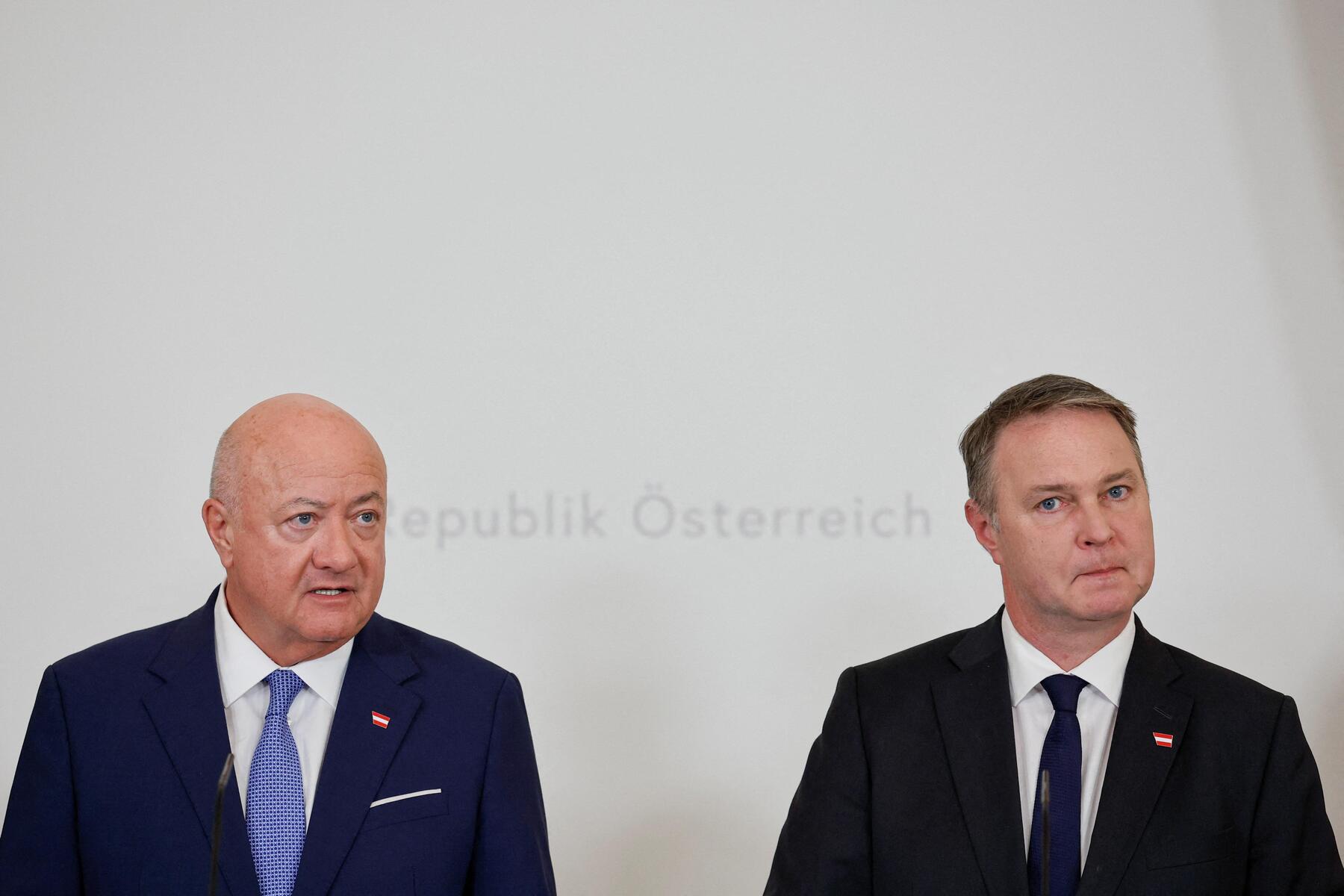
Austrian politicians are actively engaging with the public during the summer parliamentary recess, undertaking various "summer tours" to connect with constituents and address current issues. While some, like SPÖ leader Andreas Babler, are opting for traditional grassroots approaches, Chancellor Karl Nehammer is employing a more curated strategy.
Babler and his government team are visiting clubhouses, businesses, local festivals, and events like the Donauinselfest in Vienna. Their campaign motto, "Order instead of Division," serves as a clear, albeit subtle, jab at the FPÖ, which is not undertaking similar public tours. This approach emphasizes a classic style of political engagement, aiming for broad visibility and direct interaction.
In contrast, Chancellor Nehammer is embarking on a tour titled "Austria in Conversation," but he is doing so in his capacity as Chancellor, with the associated costs covered by taxpayer funds. Details on the exact expenditure are not yet available. His events feature a demographically weighted audience, carefully selected by pollster Peter Hajek from those who register to attend. Participants provide anonymized data such as age, gender, education, and political leaning, which influences their chances of being chosen.
Political scientist Laurenz Ennser-Jedenastik notes that while the SPÖ denies focusing on "nice pictures," these tours are undeniably a "media staging of proximity to citizens." He suggests that Nehammer faces higher pressure to justify his approach, as the representative selection of the audience implies that their input should hold significance. However, Ennser-Jedenastik is skeptical about the government's openness to genuine dialogue, suggesting these "quasi-focus groups" might primarily serve to test policy ideas rather than foster open-ended discussion. He believes the government has little room for such openness.
The question is not why the FPÖ is not doing a tour, but why the ÖVP and SPÖ believe they need one.
DistantNews Editorial
Originally published by Die Presse in German. Translated, summarized, and contextualized by our editorial team with added local perspective. Read our editorial standards.
More Stories
From Our Blog

What Gets Lost (and Found) When News Is Translated

The Critical Role of Diaspora Media in Global News

What Travellers Should Know About Countries with Restricted Press

A Digital Nomad's Guide to Following Local News

How the Same Story Looks Different in Different Countries
