


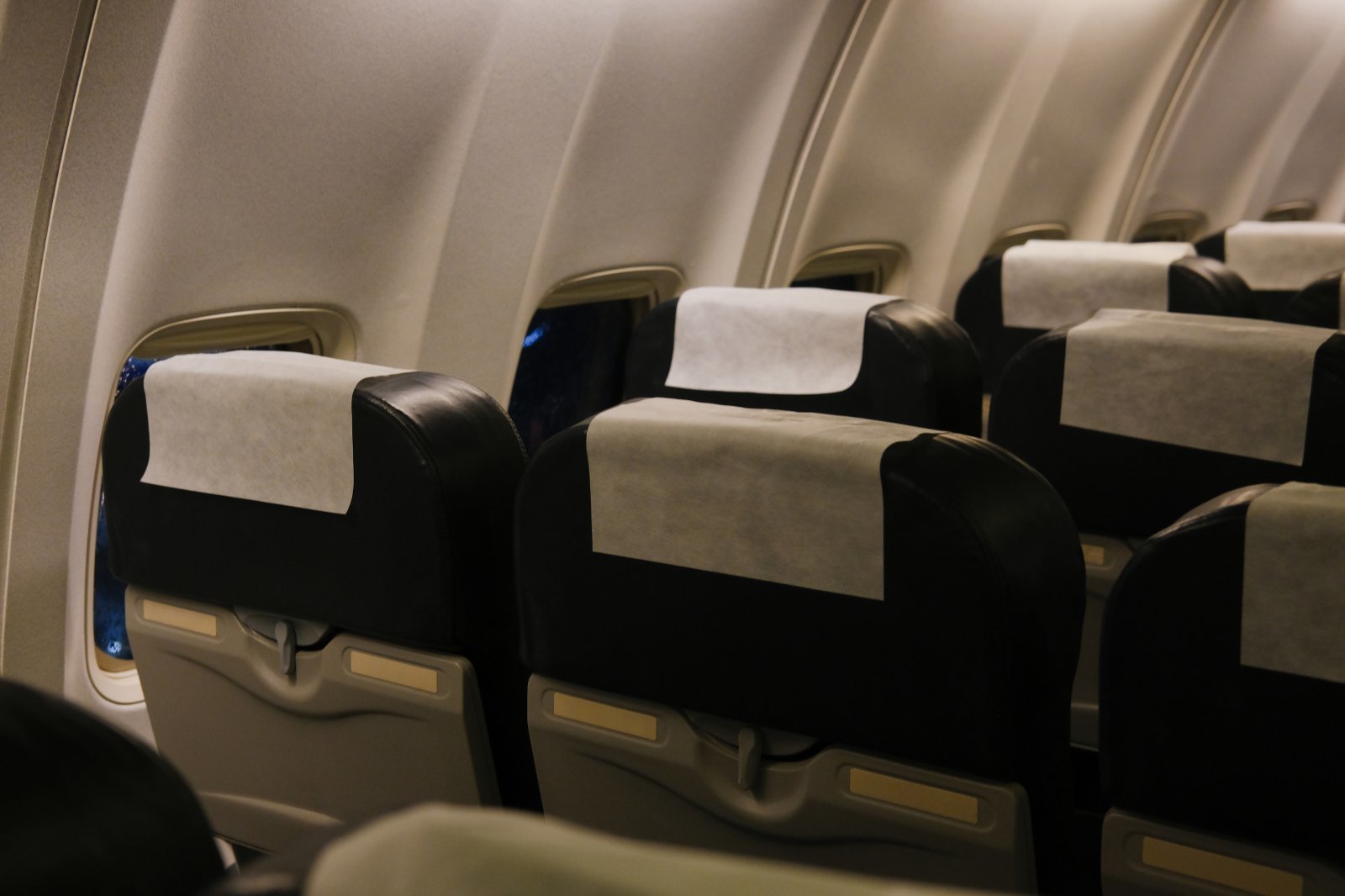
Passenger claims Korean couple hit her seat on flight over reclining dispute
Translated from Korean, summarized and contextualized by DistantNews.
At a glance
News
Sources not specified
Context piece
- A Japanese passenger claimed on social media that a Korean couple on an international flight repeatedly hit her seat and shoulder after she reclined her seat.
- The passenger stated the couple demanded she pull her seat forward in Korean, causing her distress and preventing her from reclining further.
- Online reactions were divided, with some suggesting using flight attendants for such issues and others calling for both sides of the story to be heard.
A dispute over reclining a seat on a long-haul international flight has sparked controversy online after a Japanese passenger shared her experience. The passenger, identified as A, posted on social media detailing an alleged confrontation with a Korean couple seated behind her.
According to A, she felt her seat being held back as she tried to recline it. She claims the couple then forcefully pushed her seat back, making a loud "thud," and subsequently tapped her shoulder. The couple allegedly demanded she "pull it forward" in Korean, which A understood and complied with, though she felt their tone was harsh and lacked any apology or expression of gratitude.
Despite experiencing severe back pain during the 10-hour flight, A cautiously asked if reclining her seat slightly would be acceptable. She reported that the passenger behind her, described as a large woman, removed her earphones and responded with a "What?" before putting them back in without further comment. A stated she was unable to recline her seat for the remainder of the flight.
A argued that reclining is a right associated with the purchased seat, except during takeoff and landing. She found it difficult to understand why someone would demand another passenger refrain from reclining due to personal inconvenience. The online discussion saw varied opinions, with some advising to involve flight attendants and avoid direct conflict, while others pointed out the need to hear both perspectives and criticized the public shaming of individuals through photos.
DistantNews Editorial
Originally published by Dong-A Ilbo in Korean. Translated, summarized, and contextualized by our editorial team with added local perspective. Read our editorial standards.
More Stories

From Our Blog

What Gets Lost (and Found) When News Is Translated

The Critical Role of Diaspora Media in Global News

What Travellers Should Know About Countries with Restricted Press

A Digital Nomad's Guide to Following Local News

How the Same Story Looks Different in Different Countries
