

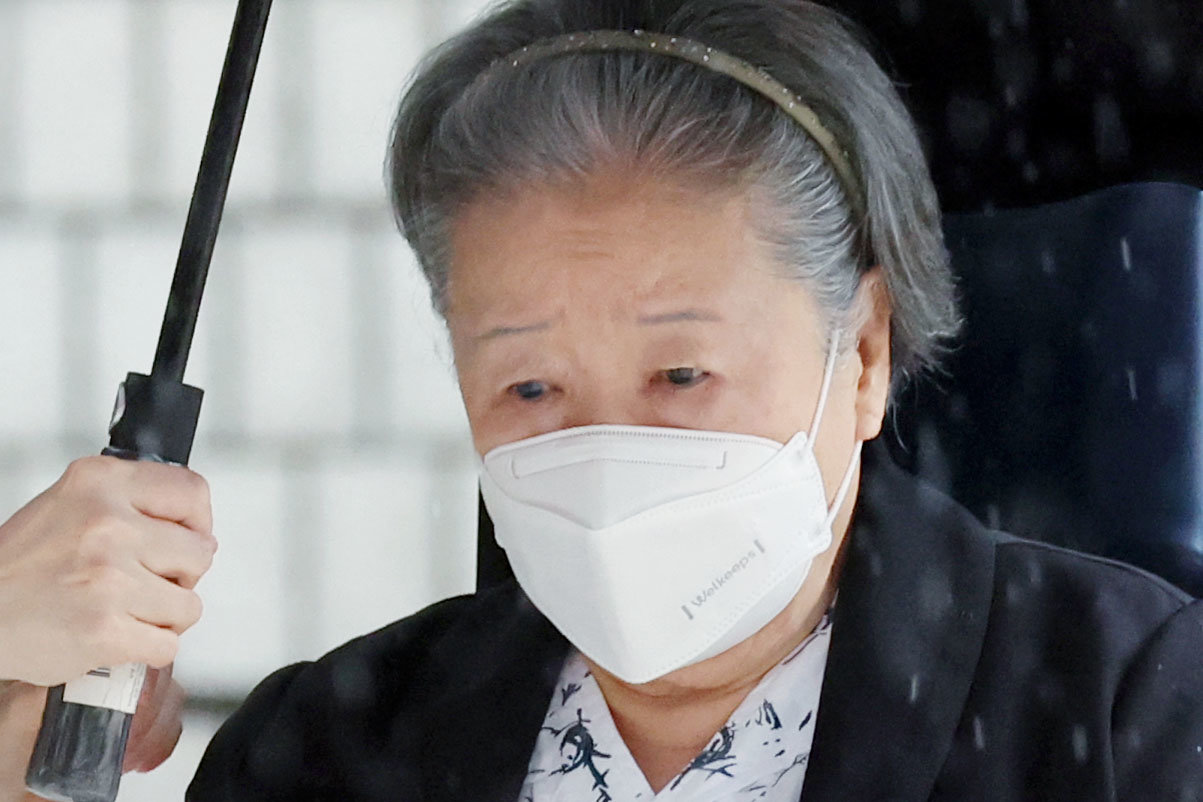

Pastors Must Receive Sexual Violence Prevention Training, Counselor Says
Translated from Korean and summarized by DistantNews. Read the original for the full story.
At a glance
Interview
Named sources
Context piece
- South Korea expanded sexual harassment and gender-awareness education after the 2018 MeToo movement, but religious institutions have often remained outside that focus.
- Kim Sun-hee, director of the Christian Women’s Counseling Center, said church sexual violence can exploit victims’ trust and leave them slow to recognize what is happening.
- A church sexual violence prevention forum organized by the National Council of Churches in Korea took five years to hold consultations with each denomination.
Church sexual violence can be difficult for victims to identify at first because it is carried out through faith, said Kim Sun-hee, a pastor and director of the Christian Women’s Counseling Center.
Kim told the Dong-A Ilbo that many victims initially think, “Surely not,” because the abuse occurs within a religious relationship. She said pastors can exploit the bonds of faith built over many years.
The center, founded in 1998 under the Korean Association of Women Theologians, counsels victims of sexual violence in churches and works to secure support for them. Kim argued that pastors should also receive sexual violence prevention education.
Broader sexual harassment prevention and gender-awareness training spread across South Korea after the 2018 MeToo movement. Religious communities, however, have often been treated as exceptions because of their distinctive structure. A forum on preventing and overcoming sexual violence in churches, organized by the women’s committee of the National Council of Churches in Korea, took five years to complete consultations with individual denominations.
Church sexual violence is carried out through faith, so many victims do not initially recognize that they are being abused, thinking, ‘Surely not.’
About this summary
Originally published by Dong-A Ilbo in Korean. Translated, summarized, and contextualized automatically by DistantNews, with a note on how the source frames the story. Not individually reviewed before publishing. How this works.
More Stories


From Our Blog

What Gets Lost (and Found) When News Is Translated

The Critical Role of Diaspora Media in Global News

What Travellers Should Know About Countries with Restricted Press

A Digital Nomad's Guide to Following Local News

How the Same Story Looks Different in Different Countries
