

Peace impossible while Russia seeks victory in Ukraine, says Latvia's President
Translated from Latvian, summarized and contextualized by DistantNews.
At a glance
News
Sources not specified
Context piece
- Latvian President Edgars Rinkēvičs believes peace through diplomacy is impossible while Russia believes it can win the war in Ukraine.
- He noted a significant shift on the front lines over the past year, with Ukraine regaining initiative and Russia suffering higher casualties.
- Rinkēvičs stated that while European politicians express readiness for peace talks, many conditions must be met before such negotiations can occur, and Russia currently shows no such willingness.
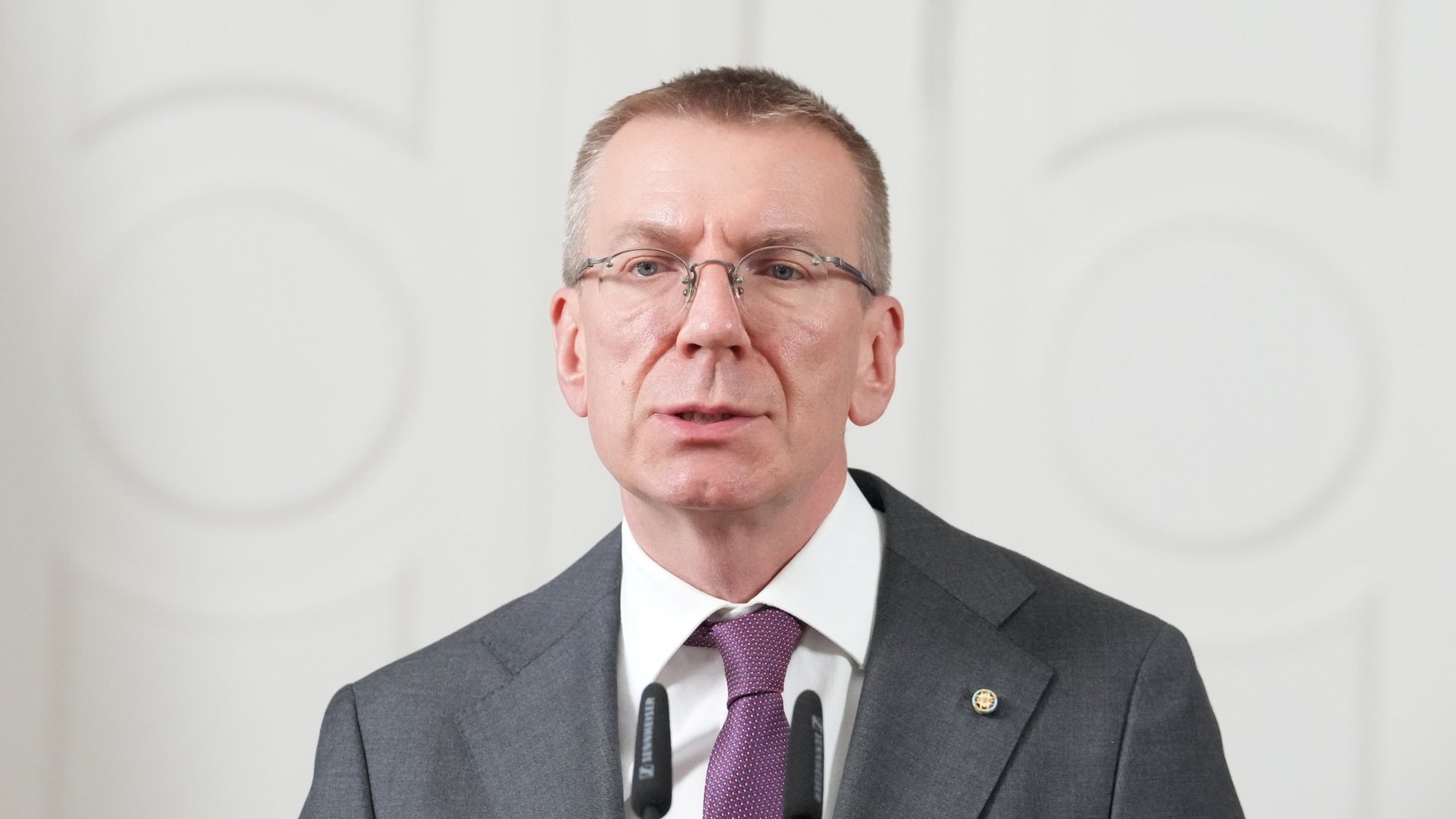
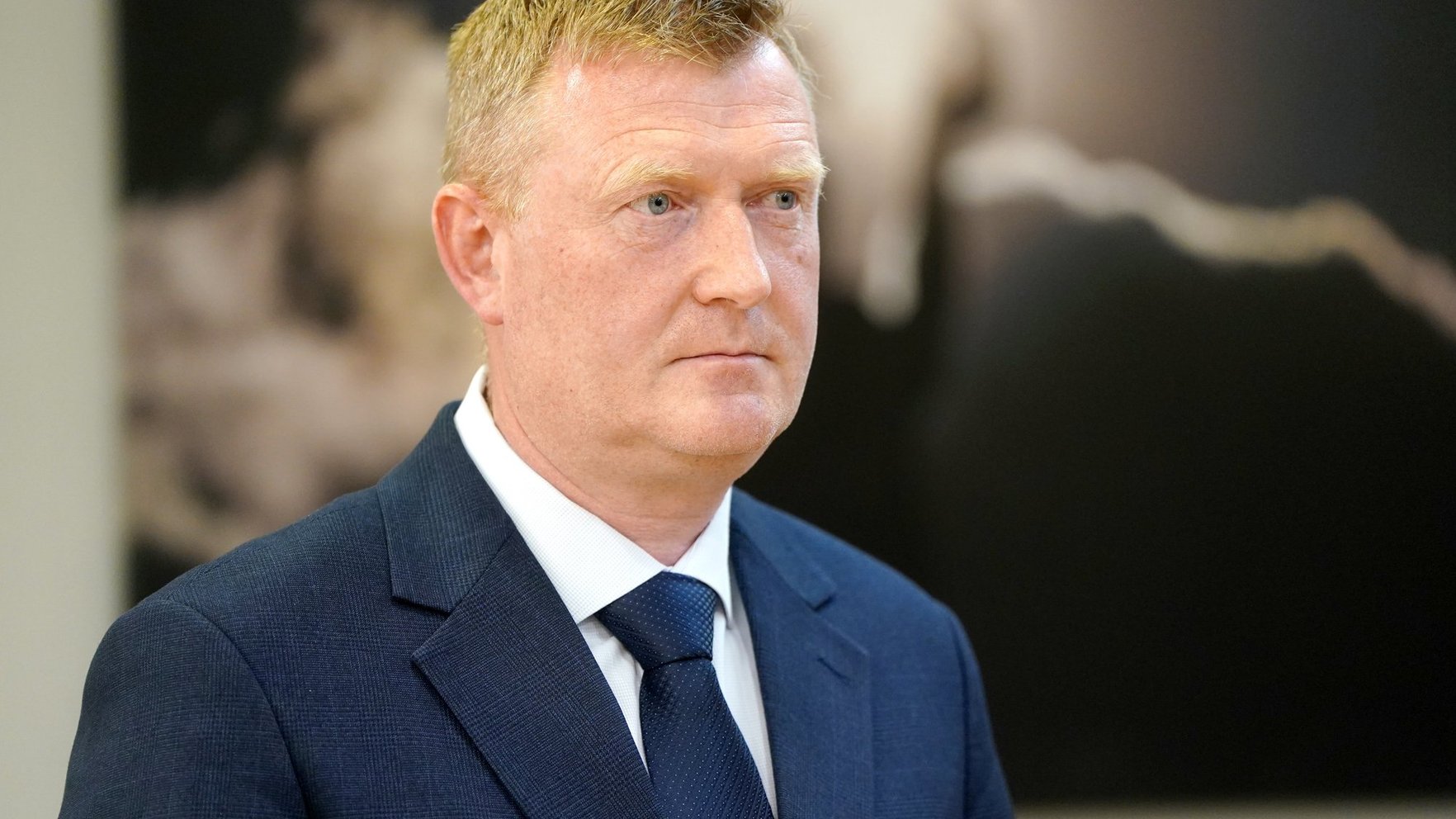
Latvian President Edgars Rinkēvičs stated that achieving peace through diplomacy is currently unfeasible as long as Russia harbors hopes of winning the war in Ukraine. He emphasized that Russia's belief in its potential victory remains the primary obstacle to any meaningful peace process.
Rinkēvičs observed a dramatic change on the front lines over the last year. He noted that while the conflict was nearly at a stalemate a year ago, Ukraine has since regained the initiative. Russia, conversely, is now experiencing significantly higher troop losses compared to previous periods. However, he cautioned that Ukraine's current successes, while progressing, have not yet reached a strategically decisive point.
We see that an opportunity has arisen, that maybe, maybe (...) some diplomatic process could take place, especially (...) after the US president's statement, but what has not changed is that Russia still believes that it can somehow win this war at some point.
Addressing European politicians who occasionally signal readiness to initiate peace talks, Rinkēvičs adopted a pragmatic stance. He acknowledged the validity of defining a European strategy for potential peace negotiations, particularly following recent statements from the US president. Yet, he stressed that numerous conditions must be fulfilled before such talks could realistically commence.
"The desire to formulate a European Union strategy and perhaps consider what will happen if a process begins and if Ukraine wants us at the table is justified, but for now, these Russian desires are absent, and there are 100 and one conditions before we can even make such decisions," Rinkēvičs explained. He indicated that without a shift in Russia's current objectives, diplomatic instruments are unlikely to yield significant progress toward peace in the coming months.
The desire to formulate a European Union strategy and perhaps consider what will happen if a process begins and if Ukraine wants us at the table is justified, but for now, these Russian desires are absent, and there are 100 and one conditions before we can even make such decisions.
DistantNews Editorial
Originally published by Delfi Latvia in Latvian. Translated, summarized, and contextualized by our editorial team with added local perspective. Read our editorial standards.
More Stories
From Our Blog

What Gets Lost (and Found) When News Is Translated

The Critical Role of Diaspora Media in Global News

What Travellers Should Know About Countries with Restricted Press

A Digital Nomad's Guide to Following Local News

How the Same Story Looks Different in Different Countries
