

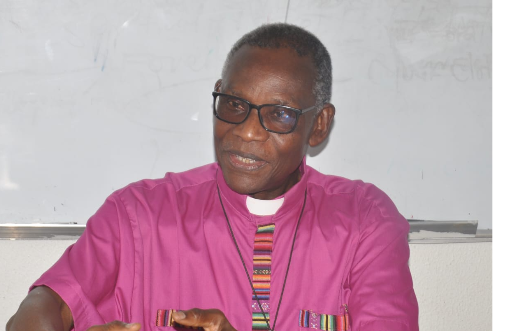

Peace on paper, peril in practice: Why 2027’s elections remain at risk, By Dakuku Peterside
Summarized and contextualized by DistantNews.
At a glance
Analysis
Named sources
New plan
- Nigeria's National Peace Accord, signed on August 18, 2026, commits political actors to peaceful elections.
- The accord, facilitated by the National Peace Committee and The Kukah Centre, aims to prevent intimidation, hate speech, and violence.
- However, the author warns that structural inequalities and subtle electoral manipulations pose a greater threat than overt fraud or violence.
Nigeria's National Peace Accord, signed in Abuja on August 18, 2026, represents a symbolic commitment by political rivals to peaceful, credible, free, and fair elections. Facilitated by the National Peace Committee in partnership with The Kukah Centre, the accord urges political actors to reject violence and hate speech, and calls for impartiality from the electoral commission and professionalism from security agencies.
While the accord is welcomed for moderating political behavior and establishing a moral baseline, author Dakuku Peterside cautions against mistaking good intentions for a robust electoral architecture. He argues that the accord cannot neutralize the structural inequalities embedded in the electoral environment, which he identifies as the greatest threat to the next general election.
Peterside highlights the danger of "electoral tilting," where the political field is gradually skewed before voters reach polling units. This can manifest as denied access to rallies, delayed campaign permits, exorbitant advertising charges, disproportionate state media coverage for incumbents, and the blurring of government events with campaign appearances. Such administrative incidents, when viewed collectively, can distort the electoral process, undermining substantive equality even as the rituals of competition are preserved.
The author emphasizes that fair elections are not solely determined on election day. They begin with the freedom of candidates to campaign, access public facilities, receive reasonable media exposure, and advertise without arbitrary obstruction. He warns that when participation becomes dependent on administrative discretion, democracy risks becoming a "permission economy," where those in power control the conditions under which they are challenged. Peterside concludes that a level playing field cannot fully compensate for an uneven one, and that INEC's independence must be visibly demonstrated, not just constitutionally mandated.
DistantNews Editorial
Originally published by Premium Times. Summarized and contextualized by our editorial team with added local perspective. Read our editorial standards.
More Stories

From Our Blog

How the Same Story Looks Different in Different Countries

What Gets Lost (and Found) When News Is Translated

The Critical Role of Diaspora Media in Global News

What Travellers Should Know About Countries with Restricted Press

A Digital Nomad's Guide to Following Local News
