


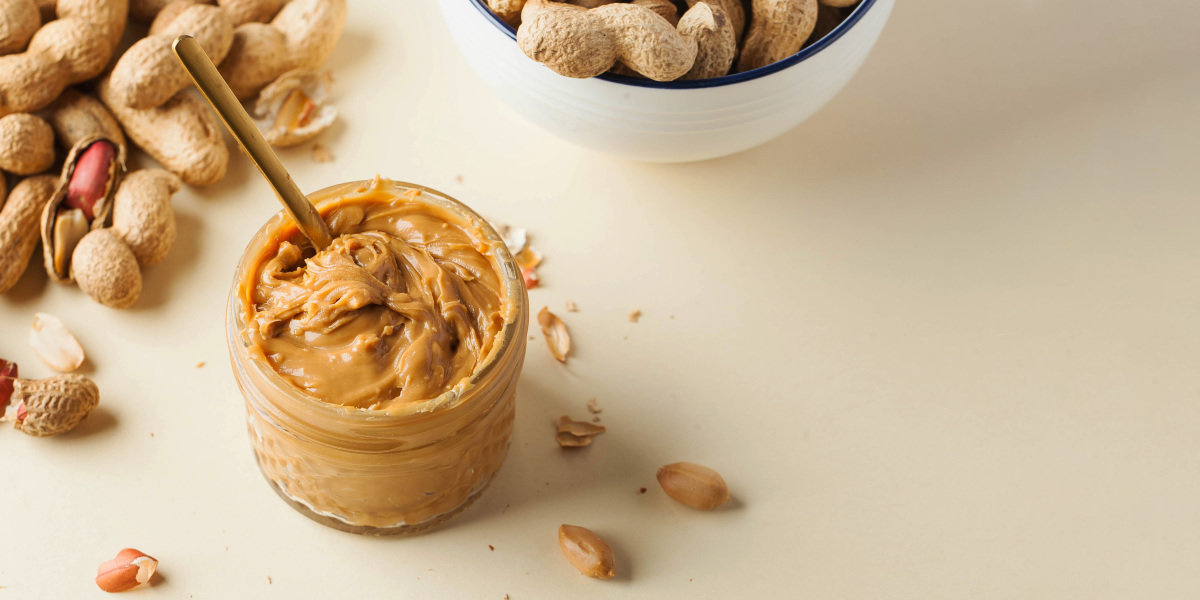
Peanut butter hailed as key to 'blood sugar diet' for healthy weight management
Translated from Korean, summarized and contextualized by DistantNews.
At a glance
In-depth
Sources not specified
Context piece
- Peanut butter is gaining attention as a healthy food for managing blood sugar levels, aligning with the "blood sugar diet" trend.
- The diet emphasizes eating vegetables first, followed by protein and fats, and then carbohydrates to prevent rapid blood sugar spikes.
- Peanut butter's rich content of unsaturated fatty acids, protein, and fiber helps slow digestion and promote satiety, making it a beneficial component when consumed in moderation with fruits or whole grains.
Peanut butter is emerging as a favored food for the current generation's approach to dieting, which prioritizes management over drastic weight loss. This trend aligns with the growing popularity of the "blood sugar diet," a method focused on stabilizing blood glucose levels to manage hunger and prevent overeating. The diet's core principle involves consuming foods in a specific order: starting with dietary fiber from vegetables, followed by protein and fats, and finally carbohydrates. This sequence helps to prevent sharp increases in blood sugar after meals.
Rapid blood sugar spikes can lead to fatigue and increased hunger, often resulting in overconsumption. Conversely, maintaining stable blood sugar levels promotes a longer-lasting feeling of fullness, contributing to overall health management. Peanut butter, once viewed solely as a high-calorie indulgence, is now recognized for its nutritional benefits that support this dietary approach. It is rich in unsaturated fatty acids, protein, and dietary fiber, all of which contribute to slowing down digestion and allowing carbohydrates to be absorbed more slowly.
A significant advantage of peanut butter is its ability to provide a sense of fullness with relatively small portions. For a healthier way to enjoy it, pairing peanut butter with fruits like apples or whole grains is recommended. Apples, being low on the glycemic index and high in fiber, complement peanut butter by further slowing sugar absorption when combined with its protein and fat content. This makes the combination an excellent choice for breakfast or a pre-workout snack. Similarly, pairing peanut butter with bananas offers sustained energy and satiety, whether spread on whole-wheat toast or oatmeal, or simply eaten with banana slices.
While beneficial, moderation is key, as peanut butter is calorie-dense. A typical tablespoon (about 16g) contains approximately 90-100 calories. Consumers are advised to check ingredient lists for high peanut content and minimal added sugars or sodium. Other popular ways to incorporate peanut butter include mixing a small amount into plain yogurt for a filling snack or using it as a dip for vegetable sticks like celery and carrots. The key is to choose products with natural ingredients and consume them as part of a balanced diet.
DistantNews Editorial
Originally published by Dong-A Ilbo in Korean. Translated, summarized, and contextualized by our editorial team with added local perspective. Read our editorial standards.
More Stories



From Our Blog

What Gets Lost (and Found) When News Is Translated

The Critical Role of Diaspora Media in Global News

What Travellers Should Know About Countries with Restricted Press

A Digital Nomad's Guide to Following Local News

How the Same Story Looks Different in Different Countries
