


Pediatric Neurology Crisis: Only 36 Professors Outside Seoul Metro, Zero in Jeju
Translated from Korean, summarized and contextualized by DistantNews.
At a glance
Opinion
Sources not specified
Context piece
- South Korea faces a severe shortage of pediatric neurologists, with only 98 specialists nationwide.
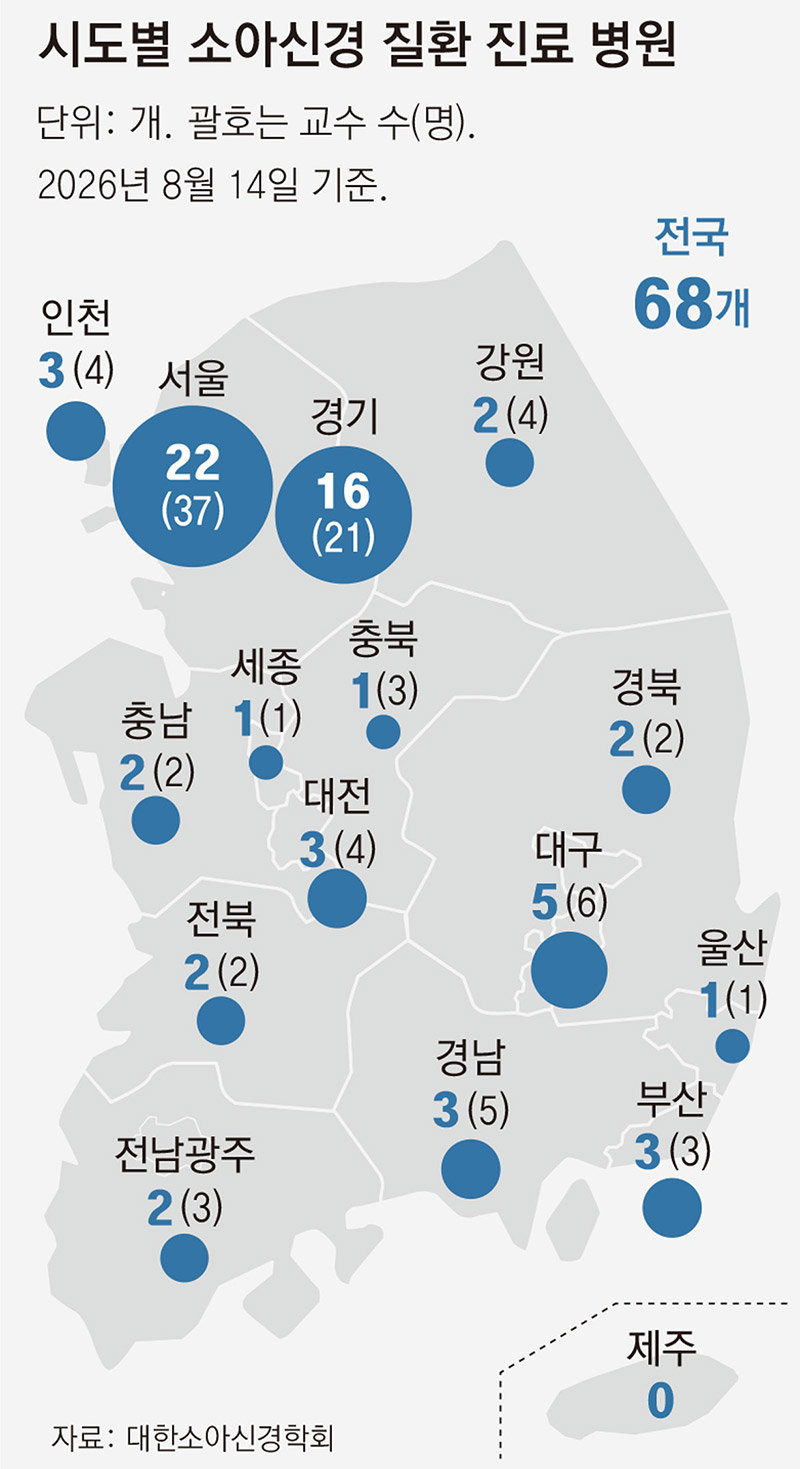
- The majority of these specialists (62) are concentrated in the Seoul metropolitan area, leaving many regions with no or very few pediatric neurologists.
- This shortage, coupled with low medical fees and high legal risks in pediatric care, is hindering the recruitment of new specialists and threatening the country's efforts to boost its birth rate.
South Korea is confronting a critical shortage of pediatric neurologists, with only 98 specialists remaining nationwide. This scarcity is particularly acute outside the Seoul metropolitan area, where 62 of these specialists practice. Many other regions have no pediatric neurologists at all, or only a handful, creating significant gaps in essential care for children.
The situation is exacerbated by a near-halt in the influx of new professionals. Among the 98 practicing specialists, 10 are over retirement age and continue to work due to a lack of successors. Pediatric neurology is considered a core subspecialty within pediatrics, crucial for diagnosing and treating conditions related to brain and nerve development. Delays in treating conditions like febrile seizures, encephalitis, or brain injuries can lead to lifelong disabilities.
In areas outside the capital, university hospitals often rely on just one or two pediatric neurologists who work around the clock, seven days a week. Jeju Island has no pediatric neurologists, while Sejong and Ulsan have only one each. This forces parents in emergencies to travel to the Seoul area for specialized care, a burden that is becoming increasingly common.
The challenges in pediatric care, including its time and labor-intensive nature compared to adult medicine, are compounded by low medical reimbursement rates and high legal risks. These factors deter many aspiring doctors from specializing in pediatrics. With the number of residents applying for pediatric programs plummeting to around 10%, the pipeline for new pediatric neurologists has effectively dried up.
This reliance on a small number of specialists in regional hub hospitals means that the departure or burnout of even one doctor can paralyze the entire medical network in that area. As South Korea aims to reverse its declining birth rate, with the total fertility rate showing signs of a slight rebound, the lack of robust pediatric medical infrastructure could undermine these efforts. Experts emphasize the need to concentrate specialized medical personnel in regional hospitals and restore a virtuous cycle of medical workforce development, from resident training to the production of subspecialist professors. Addressing long-standing issues like realistic medical fees and reducing legal risks is essential to achieving this goal.
DistantNews Editorial
Originally published by Dong-A Ilbo in Korean. Translated, summarized, and contextualized by our editorial team with added local perspective. Read our editorial standards.
More Stories


From Our Blog

What Gets Lost (and Found) When News Is Translated

The Critical Role of Diaspora Media in Global News

What Travellers Should Know About Countries with Restricted Press

A Digital Nomad's Guide to Following Local News

How the Same Story Looks Different in Different Countries
