


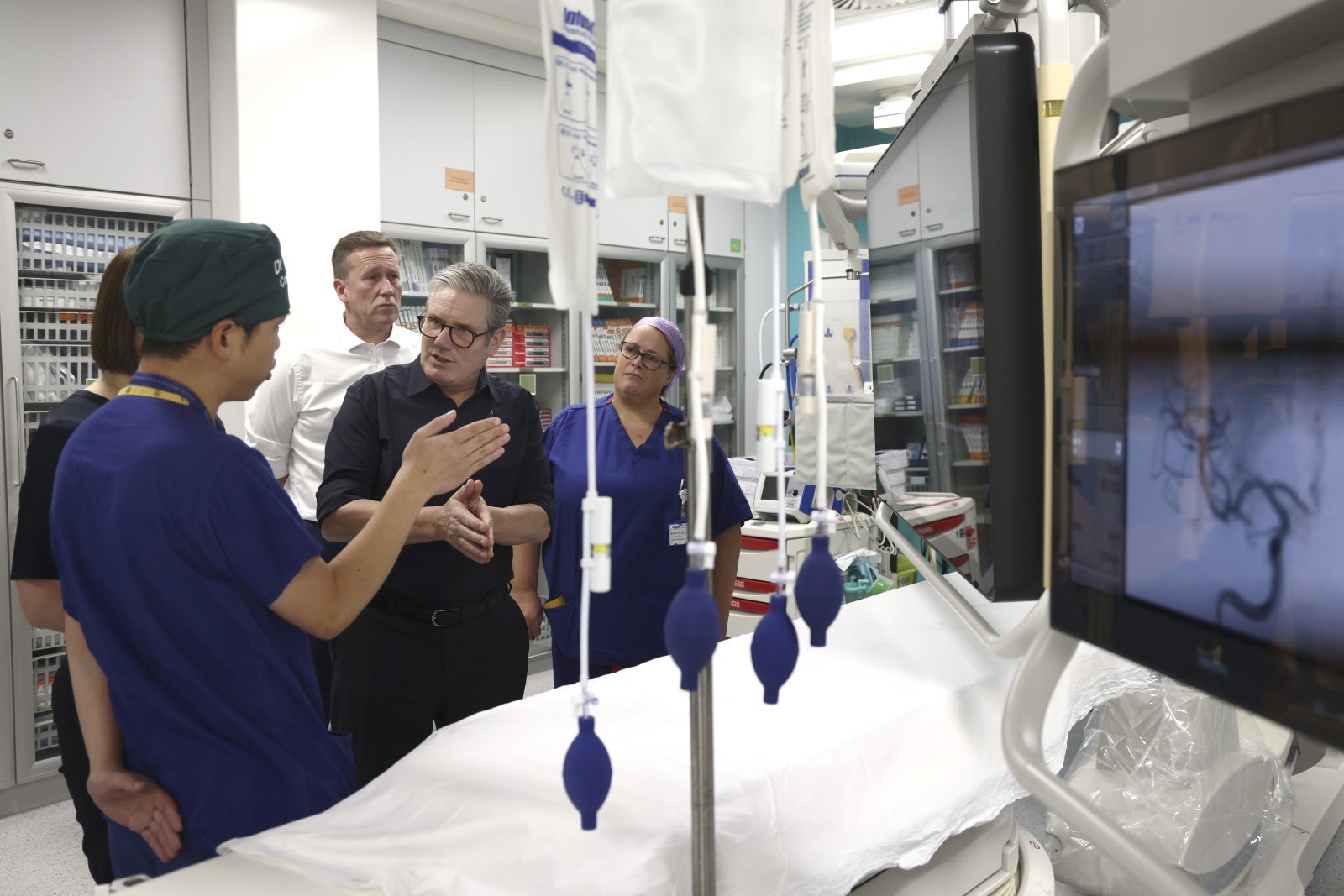
UK hospital wards exceed safe temperatures amid heatwave, endangering patients and staff
Translated from Korean, summarized and contextualized by DistantNews.
At a glance
News
Named sources
Context piece
- Hospitals in the UK exceeded recommended temperature limits during a July heatwave, with wards reaching an average of 31.9 degrees Celsius.
- This dangerous environment threatened the safety of both patients and medical staff, exceeding the National Health Service's (NHS) England guideline of 28 degrees Celsius.
- Some hospitals experienced equipment failures due to the heat, leading to the cancellation of scheduled surgeries.
Hospitals across the United Kingdom are struggling to cope with extreme heat, with internal ward temperatures soaring above safety standards. Data obtained through a Freedom of Information request revealed that 33 National Health Service (NHS) trusts reported ward temperatures exceeding the recommended 28 degrees Celsius (82.4 degrees Fahrenheit) in July.
The average temperature recorded in hospital wards during the month was a sweltering 31.9 degrees Celsius (89.4 degrees Fahrenheit), significantly higher than the NHS England guideline designed to protect patients and staff. In one extreme case, the Northern Care Alliance NHS Foundation Trust, which manages four hospitals in the Greater Manchester area, recorded a peak temperature of 41.8 degrees Celsius (107.2 degrees Fahrenheit) during the heatwave.
This dangerous heat has not only created an uncomfortable and potentially hazardous environment for vulnerable patients and healthcare workers but has also impacted hospital operations. The intense heat caused cooling systems to fail, leading to the cancellation of scheduled surgeries. The Liberal Democrats have called on the government to implement immediate measures to address the crisis, highlighting the urgent need for better infrastructure to withstand extreme weather conditions.
DistantNews Editorial
Originally published by Dong-A Ilbo in Korean. Translated, summarized, and contextualized by our editorial team with added local perspective. Read our editorial standards.
More Stories



From Our Blog

What Gets Lost (and Found) When News Is Translated

The Critical Role of Diaspora Media in Global News

What Travellers Should Know About Countries with Restricted Press

A Digital Nomad's Guide to Following Local News

How the Same Story Looks Different in Different Countries
