

Penalty shootouts flip the roles of victim and executioner: Goalkeepers as superheroes
Translated from Polish, summarized and contextualized by DistantNews.
At a glance
In-depth
Named sources
Context piece
- Goalkeepers are often scapegoated in football, bearing the blame for team failures despite the efforts of other players.
- Unlike outfield players who can redeem themselves with skillful plays, goalkeepers face unforgiving crowds and immediate judgment.
- The article explores the psychological burden and unique position of goalkeepers, drawing on insights from Jonathan Wilson and Eduardo Galeano.
In the high-stakes drama of football, goalkeepers often occupy a unique and unenviable position, frequently cast as the scapegoat when a team falters. Jonathan Wilson, in his book "The Goalkeeper: An Outsider," describes them as a specific type of outcast, always available to take the blame when the rest of the team needs to deflect responsibility. This narrative positions the goalkeeper as the perpetual victim, even when they are not directly at fault.
Goalkeeper is a specific type of outcast – a scapegoat, always on hand when the rest of the team needed to shift the blame onto someone.
Unlike their outfield teammates, who can quickly atone for a mistake with a brilliant pass, a skillful dribble, or a decisive goal, a goalkeeper's errors are often final and unforgiving. Eduardo Galeano, in "Football in Sun and Shadow," highlights this stark contrast: "Others can make a fatal mistake or even several, but they will soon achieve redemption by performing a fantastic feint, a masterful pass or an accurate shot. He cannot." The crowd's memory is short for heroic saves but long for conceded goals, leaving the goalkeeper to "drink the bitter beer" for sins not entirely their own.
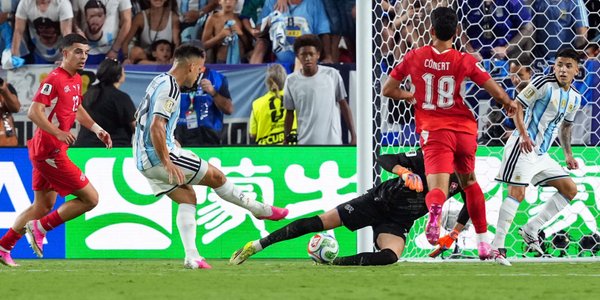
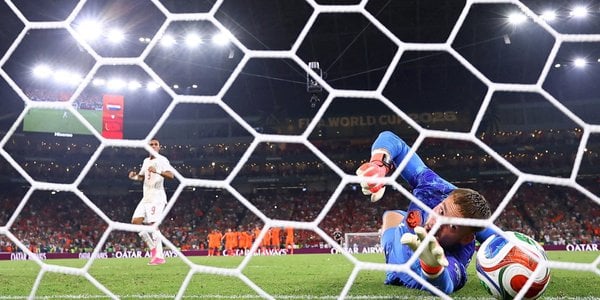
The blame always lies with him, and even if it doesn't, he will atone for it anyway. When a player commits a foul, and the referee awards a penalty, it is he who is the victim: left at the mercy of the executioner in the vastness of an empty goal.
When a penalty is awarded, the goalkeeper is left isolated, facing the "executioner" in the vast emptiness of the goal. Even if a team is not playing well, it is the goalkeeper, constantly under bombardment, who must absorb the pressure and consequences. The article suggests that this intense scrutiny and the unforgiving nature of the crowd contribute to the immense psychological burden carried by these athletes, making their role one of constant vigilance and potential public condemnation.
When the team is not having the best day, it is he, constantly bombarded with shots, who has to drink the bitter beer, pay for his sins that are not his own.
DistantNews Editorial
Originally published by Rzeczpospolita in Polish. Translated, summarized, and contextualized by our editorial team with added local perspective. Read our editorial standards.
More Stories

From Our Blog

What Gets Lost (and Found) When News Is Translated

The Critical Role of Diaspora Media in Global News

What Travellers Should Know About Countries with Restricted Press

A Digital Nomad's Guide to Following Local News

How the Same Story Looks Different in Different Countries
