

Pension reform: Lars Klingbeil supports mandatory company pensions
Translated from German, summarized and contextualized by DistantNews.
At a glance
News
Named sources
Context piece
- German Finance Minister Lars Klingbeil supports the idea of mandatory company pension plans as part of a broader pension reform.
- The German Trade Union Confederation (DGB) advocates for mandatory occupational pensions financed by employers.
- Critics from the CDU party have already voiced opposition to the proposal.
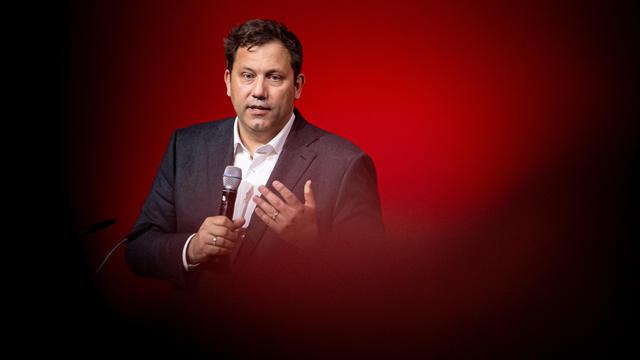
German Finance Minister Lars Klingbeil has expressed support for making company pension plans mandatory, aligning with a key demand from the German Trade Union Confederation (DGB). Klingbeil stated that strengthening the statutory pension system, mandating occupational pensions, and expanding private retirement savings are crucial steps to ensure the long-term viability of Germany's pension system.
The DGB has specifically called for mandatory occupational pensions for all employees as part of the planned pension reform. DGB chairwoman Yasmin Fahimi suggested that these plans should be organized through collective bargaining agreements and co-financed by employers. This proposal aims to provide a more secure retirement for workers across the country.
However, the idea has already faced criticism. Gitta Connemann, a CDU politician and chairwoman of the SME Union, has rejected the DGB's proposal. The political debate is set to intensify as top representatives from the CDU and SPD parties are scheduled to meet with employer and union representatives this Wednesday to discuss the upcoming reforms.
If we strengthen the statutory pension, which we have done, if we make the occupational pension mandatory, and if we expand the private one, then we have a chance to make the pension system truly future-proof.
Klingbeil remains optimistic about the government's ability to stabilize the pension system through reforms. He pointed to the ongoing work of a pension commission, established in December 2025, which is expected to present its reform recommendations on June 30. The finance minister also emphasized the importance of creating incentives for individuals to invest more in their own retirement savings, referencing the "early start pension" initiative where the state contributes monthly to children's and young people's retirement accounts.
Central to the upcoming discussions and reforms, according to Klingbeil, is the revitalization of the German economy. He stressed the need to overcome a period of stagnant economic growth, stating that a stronger economy would lead to more job creation. This focus on economic growth is seen as intrinsically linked to improving the labor market situation.
We must get out of four and a half years of no economic growth.
DistantNews Editorial
Originally published by Die Zeit in German. Translated, summarized, and contextualized by our editorial team with added local perspective. Read our editorial standards.
More Stories

From Our Blog

What Gets Lost (and Found) When News Is Translated

How the Same Story Looks Different in Different Countries

The Critical Role of Diaspora Media in Global News

What Travellers Should Know About Countries with Restricted Press

A Digital Nomad's Guide to Following Local News
