


People injured through negligence seek change to payments
Summarized and contextualized by DistantNews.
TLDR
- Individuals who have suffered catastrophic injuries due to negligence are urging the Irish government to enact legislation for annual payments of damages, known as Periodic Payment Orders (PPOs).
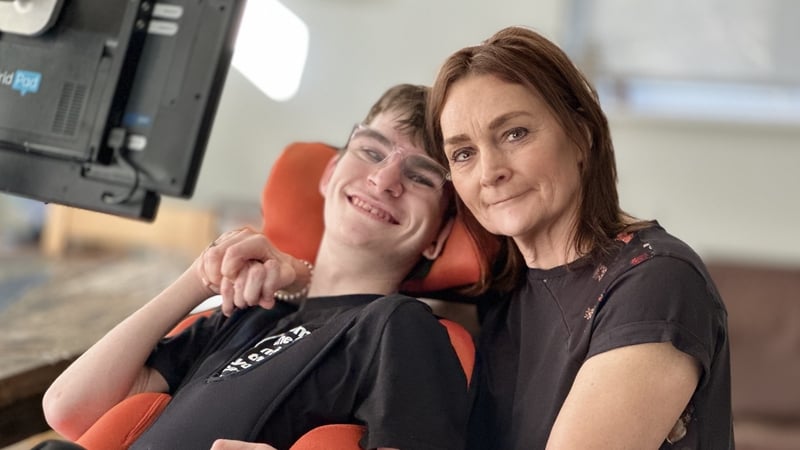
- Cases like Luke Miggin's, who requires 24-hour care after birth-related negligence, and Kenneth Best's, whose lump sum settlement for vaccine injury ran out, illustrate the inadequacy of current compensation methods.
- Lawyers and experts advocate for PPOs, arguing they would provide long-term financial security and prevent individuals from facing care and equipment shortages later in life.
This RTÉ News report sheds light on a critical issue facing victims of negligence in Ireland: the long-term financial security of those with catastrophic injuries. The call for Periodic Payment Orders (PPOs) represents a significant push for legislative change to ensure lifelong care needs are adequately met.
I want a PPO and not have to fight all my life for something that I didn't do. I'm sick of all assessments.
The personal stories of Luke Miggin and Kenneth Best are powerful testaments to the shortcomings of the current system. Miggin's ongoing need to seek court approval for interim payments for his 24-hour care, and Best's situation where a lump sum settlement proved insufficient over time, highlight the precariousness faced by individuals and families relying on these funds.
From an Irish perspective, this issue touches upon deeply held values of fairness and support for the vulnerable. The legal and advocacy communities are rallying behind the call for PPOs, emphasizing that such a system would offer much-needed stability and dignity to injury survivors. The complexity and stress associated with repeated legal applications for funds are themselves a burden that PPOs aim to alleviate.
Kenneth requires 24-hour care, seven days a week. There is no stop to the care. The care has to continue regardless ... It's 24/7 care. "The lump sum payment was there to provide for what we were assured would carry him through his lifetime because of the life expectancy that was given at the time, and we accepted it on that basis, but his money it did not carry through and it eventually ran out."
Senior Counsel Alan Keating's endorsement of PPOs underscores their importance in providing a safety net. The prospect of compensation running out, leaving individuals without essential care or equipment, is a stark reality that the proposed legislation seeks to prevent. This push for PPOs is not just about financial compensation; it's about ensuring a sustainable and dignified future for those who have suffered life-altering injuries through no fault of their own.
In short, it means that they will have some comfort that they won't end up receiving compensation which will run out after a period of 15 years, 20 years or whatever that may be, when they'll be left in a position with no care, no equipment for the remainder of their life,
DistantNews Editorial
Originally published by RTÉ News. Summarized and contextualized by our editorial team with added local perspective. Read our editorial standards.
More Stories


From Our Blog

What Gets Lost (and Found) When News Is Translated

The Critical Role of Diaspora Media in Global News

What Travellers Should Know About Countries with Restricted Press

A Digital Nomad's Guide to Following Local News

How the Same Story Looks Different in Different Countries
