


People Power Party Leader Vows Enhanced Member Influence in Leadership Elections
Translated from Korean, summarized and contextualized by DistantNews.
At a glance
News
Named sources
Context piece
- People Power Party leader Jang Dong-hyuk pledged to usher in an era of "Party Member Sovereignty 2.0" during his first anniversary press conference.
- He announced plans to increase party member participation in electing regional and district chapter leaders, aiming to enhance their influence.
- Jang also committed to reforming the party's platform and policies to align with conservative values and strengthen its identity as the "elder brother of conservatism."
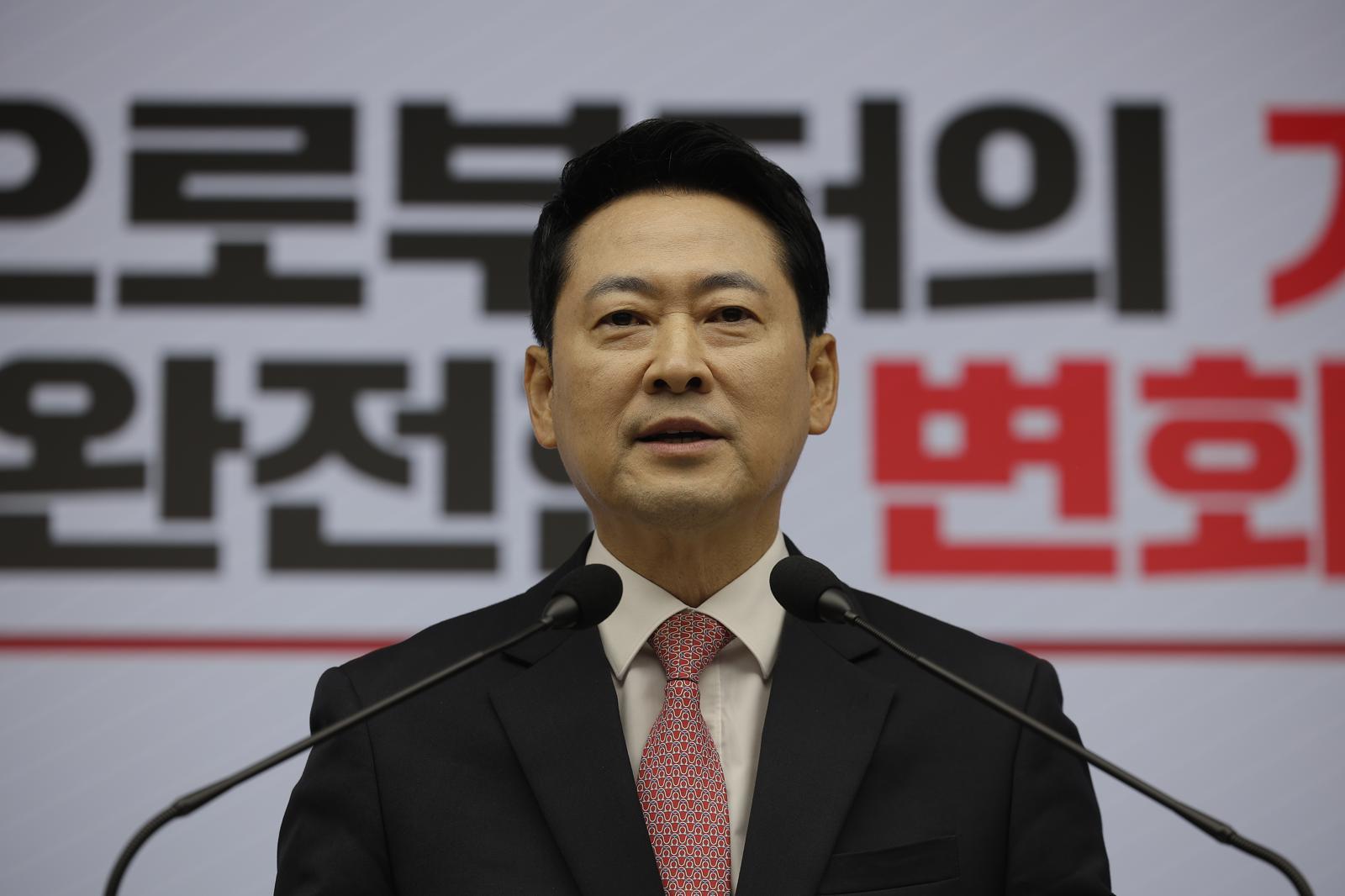
Marking his first year as leader, People Power Party chief Jang Dong-hyuk has vowed to usher in an era of "Party Member Sovereignty 2.0," signaling a significant shift towards empowering the party's base. During a press conference in Seoul, Jang announced plans to allow party members direct participation in electing regional party chairs and district chapter leaders, a move seen as a strong assertion of his commitment to internal reform despite potential party resistance.
Jang outlined a comprehensive strategy to bolster party member engagement. This includes initiatives like mobile party membership cards and a more segmented party system to foster a greater sense of ownership among members. He also promised to upgrade the party's organizational management systems through improvements in party audit evaluation metrics and systematized member education. A dedicated committee for "Party Member Sovereignty 2.0" is set to be launched to drive these changes, alongside revisions to party regulations.
We will strive to make the People Power Party the true 'elder brother of conservatism.'
Looking ahead, Jang emphasized the need to adapt the party's platform and core policies to contemporary values. He pledged to strengthen alliances with all conservative forces that acknowledge South Korea's founding and development history. "We will strive to make the People Power Party the true 'elder brother of conservatism,'" Jang stated, announcing the establishment of a "Conservative Identity Establishment Committee."
Furthermore, Jang indicated that the evaluation system for elected officials would be revamped to align with conservative values. This new assessment framework will apply to members of the National Assembly, provincial governors, mayors, and local council members. "The past year was about rebuilding the party and uniting the scattered conservative forces. Now, we will focus on building a bridgehead for victory," Jang declared, promising to translate the solidified party sentiment into public support and elevate the party from a "member-centric party" to a "people's livelihood party."
The past year was about rebuilding the party and uniting the scattered conservative forces. Now, we will focus on building a bridgehead for victory.
DistantNews Editorial
Originally published by Hankyoreh in Korean. Translated, summarized, and contextualized by our editorial team with added local perspective. Read our editorial standards.
More Stories

From Our Blog

What Gets Lost (and Found) When News Is Translated

The Critical Role of Diaspora Media in Global News

What Travellers Should Know About Countries with Restricted Press

A Digital Nomad's Guide to Following Local News

How the Same Story Looks Different in Different Countries
