

Peronist faction courts farmers with tax reform proposals
Translated from Spanish, summarized and contextualized by DistantNews.
At a glance
News
Sources not specified
Context piece
- A new Peronist faction, aiming to engage with the agricultural sector, held a meeting in Entre Ríos province.
- The group proposed an "integral tax reform" for agriculture, including discussions on export taxes and cost efficiency.
- They emphasized integrating agriculture with industry and technology for national development, rejecting a dichotomy between rural and urban interests.
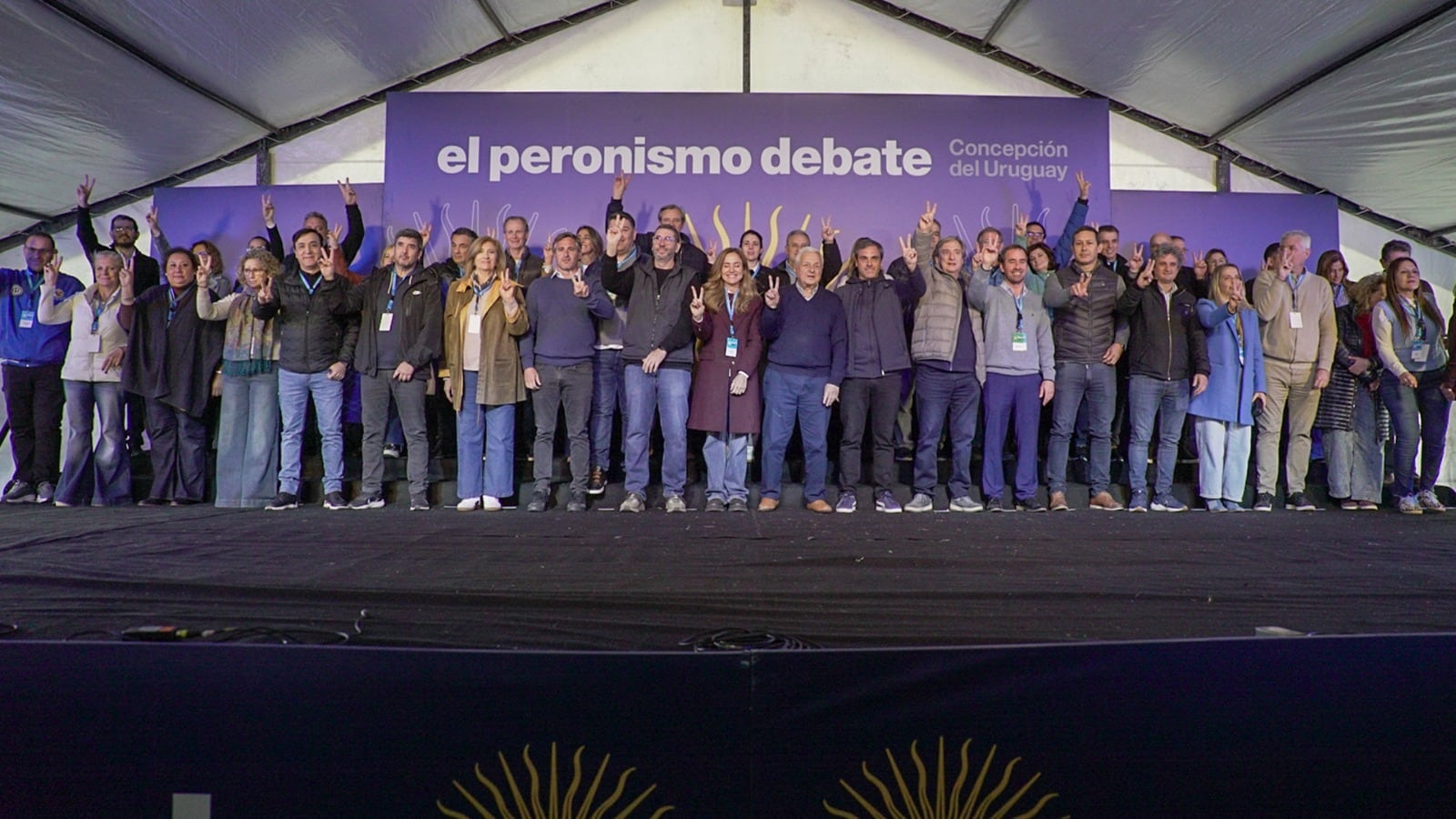
A distinct faction within Argentina's Peronist party, identifying as "Peronism Debates," is actively seeking to connect with the agricultural sector. Leaders like Victoria Tolosa Paz, Juan Manuel Olmos, and Guillermo Michel spearheaded a recent campaign event in Concepción del Uruguay, Entre Ríos, focusing on the challenges and opportunities within the farming community.
We commit to discussing a comprehensive reform of costs and distortive taxes in the agricultural sector. The debate on competitiveness includes: export taxes, taxes, the cost chain from logistical efficiency, access to seeds and fertilizers to incentivize the export volume of our production.
This initiative positions itself apart from the more central factions aligned with Cristina Kirchner and Axel Kicillof. The group presented a document outlining eight proposals for the agricultural sector. A key proposal calls for an "integral tax reform," which includes a thorough review of "distortive taxes" and a discussion on export taxes, often a contentious issue in Argentine politics. They also highlighted the need for efficiency in logistics, access to seeds and fertilizers, and strengthening export capacity.
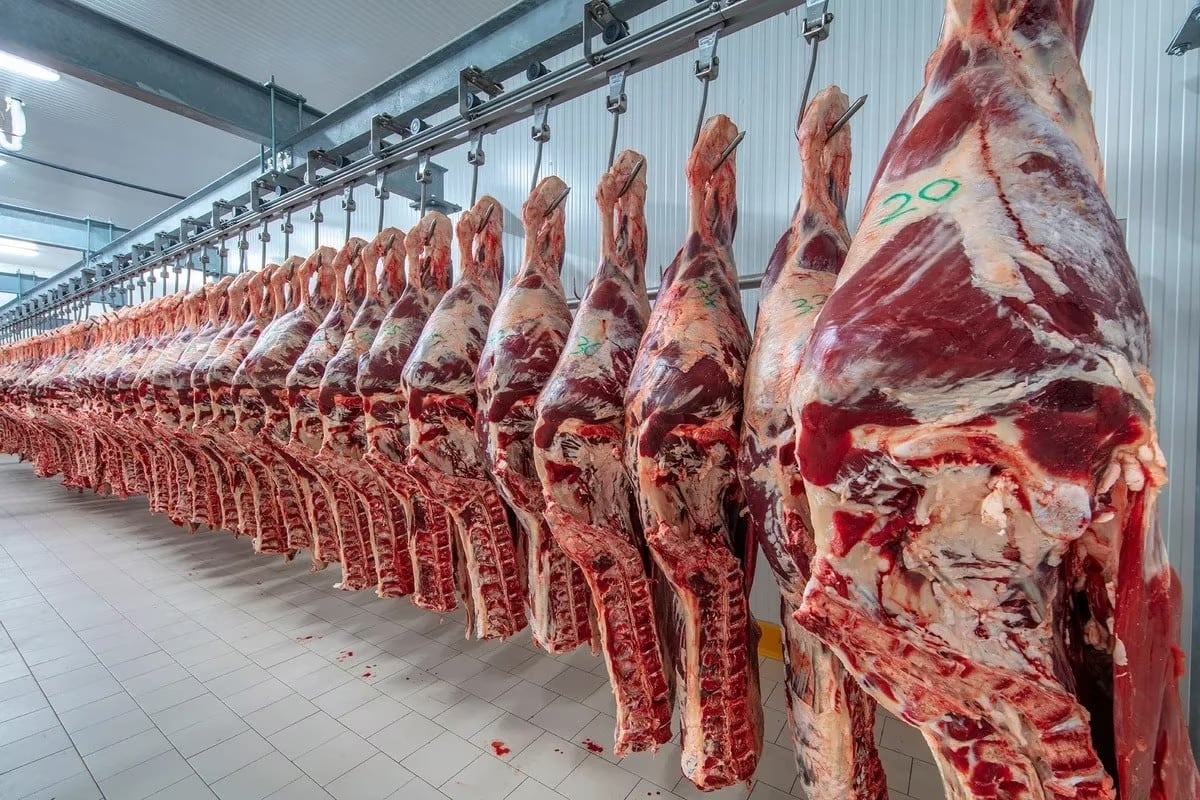
We must learn from the mistakes of the past. Restrictions on wheat and meat did not lower consumer prices and damaged two central productions of the national economy. Argentina needs to stop thinking of agro-industry as an extraordinary source of resources to cover cyclical imbalances and start seeing it as a strategic lever for national development. Fiscal balance will be achieved by enhancing its growth.
Beyond taxation, their agenda includes a new Seed Law to foster innovation, a Water Law, improvements in rural infrastructure and connectivity, and support for regional economies. They also advocate for strengthening technical organizations like INTI and Senasa, incentivizing agricultural machinery upgrades, and improving rural labor conditions.
It is not about choosing between the field and industry, or exports and the domestic market; but about building a national strategy that integrates production, innovation, value-added, work, and federal development.
The group stressed that agriculture should be viewed as a strategic lever for national development, not merely a source of revenue for short-term fiscal needs. They argued that fiscal balance can be achieved by boosting agricultural growth. The document concluded by stating that Argentina thrives when its agricultural sector grows in tandem with industry, science, technology, and labor, rejecting any notion of choosing between the field and industry, or exports and the domestic market.
When the agro grows together with industry, science, technology, and labor, Argentina grows.
DistantNews Editorial
Originally published by La Nación in Spanish. Translated, summarized, and contextualized by our editorial team with added local perspective. Read our editorial standards.
More Stories



From Our Blog

What Gets Lost (and Found) When News Is Translated

The Critical Role of Diaspora Media in Global News

What Travellers Should Know About Countries with Restricted Press

A Digital Nomad's Guide to Following Local News

How the Same Story Looks Different in Different Countries
