


Personalized Cancer Vaccine Shows Promise in Preventing Skin Cancer Recurrence
Translated from Romanian, summarized and contextualized by DistantNews.
At a glance
News
Sources not specified
Ongoing story
- A new personalized vaccine, combined with another drug, has shown promise in preventing the recurrence of skin cancer in a clinical trial.
- Researchers are calling the results a potential turning point in cancer treatment, though they urge caution pending full data.
- The experimental treatment uses mRNA technology and is designed to target each patient's specific tumor.
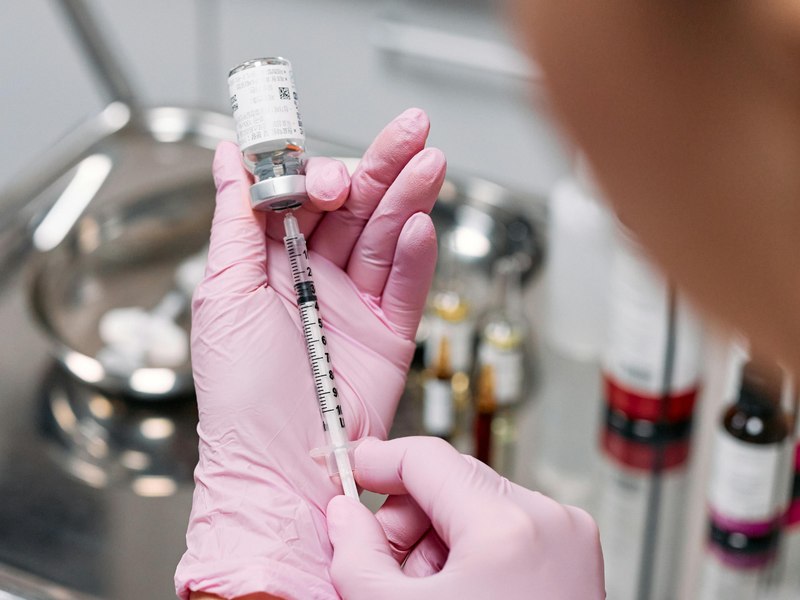
A novel personalized vaccine, administered alongside an existing immunotherapy drug, has shown encouraging results in preventing the recurrence of skin cancer among patients in a clinical trial. Researchers involved in the study suggest this could mark a significant advancement in cancer treatment.
The vaccine, developed by Merck and Moderna, was given to patients with high-risk melanoma, a type of skin cancer, after they underwent surgery. Early findings indicate that the combination therapy extended the period during which patients remained cancer-free, although the exact duration is yet to be determined.
Experts in the field acknowledge the potential of these findings but emphasize the need for prudence. Full study results have not yet been published or independently peer-reviewed. Even after clinical trials conclude, regulatory approval will be necessary before the treatment can be made available to patients.
This personalized vaccine, named Intismeran, works in conjunction with Keytruda, an immunotherapy drug already in use. The companies reported that combining Keytruda with the vaccine significantly increased the time patients stayed cancer-free and reduced the risk of the disease spreading. The Phase III clinical trial involved over 1,000 patients diagnosed with high-risk melanoma.
Professor Peter Johnson, national clinical director for cancer at NHS England, described the results as an encouraging development. He noted that the treatment represents a highly specific way to direct the immune system against cancer, differing from previous methods that relied more on the immune system's general response. NHS England is reportedly preparing to introduce such treatments for patients.
Most of the immune treatments against cancer that we have used until now have involved letting the immune system do its job and hoping it would recognize the cancer. This (new treatment) is a way of directing it in a very specific way. We feel that it is a very important step forward for us.
DistantNews Editorial
Originally published by Adevărul in Romanian. Translated, summarized, and contextualized by our editorial team with added local perspective. Read our editorial standards.
More Stories



From Our Blog

What Gets Lost (and Found) When News Is Translated

The Critical Role of Diaspora Media in Global News

What Travellers Should Know About Countries with Restricted Press

A Digital Nomad's Guide to Following Local News

How the Same Story Looks Different in Different Countries
