

Peru declares emergency in five Ayacucho districts hit by 7.2 magnitude earthquake
Translated from Spanish, summarized and contextualized by DistantNews.
At a glance
News
Official statement
Outcome reported
- The Peruvian government has declared a state of emergency for 60 days in five districts of Ayacucho affected by a magnitude 7.2 earthquake on August 20.
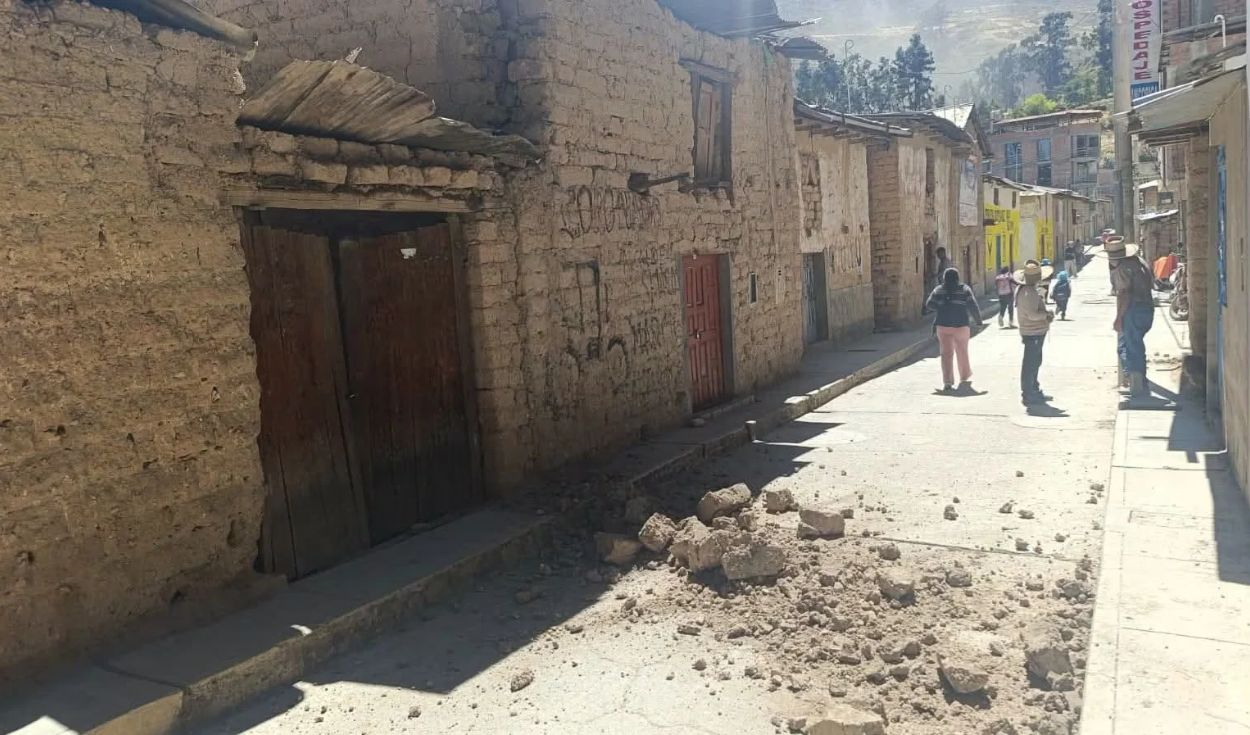
- The earthquake caused damage to homes, schools, transportation infrastructure, and public buildings.
- The emergency declaration allows for immediate measures to aid in the response and rehabilitation of the affected areas, involving various ministries and local authorities.
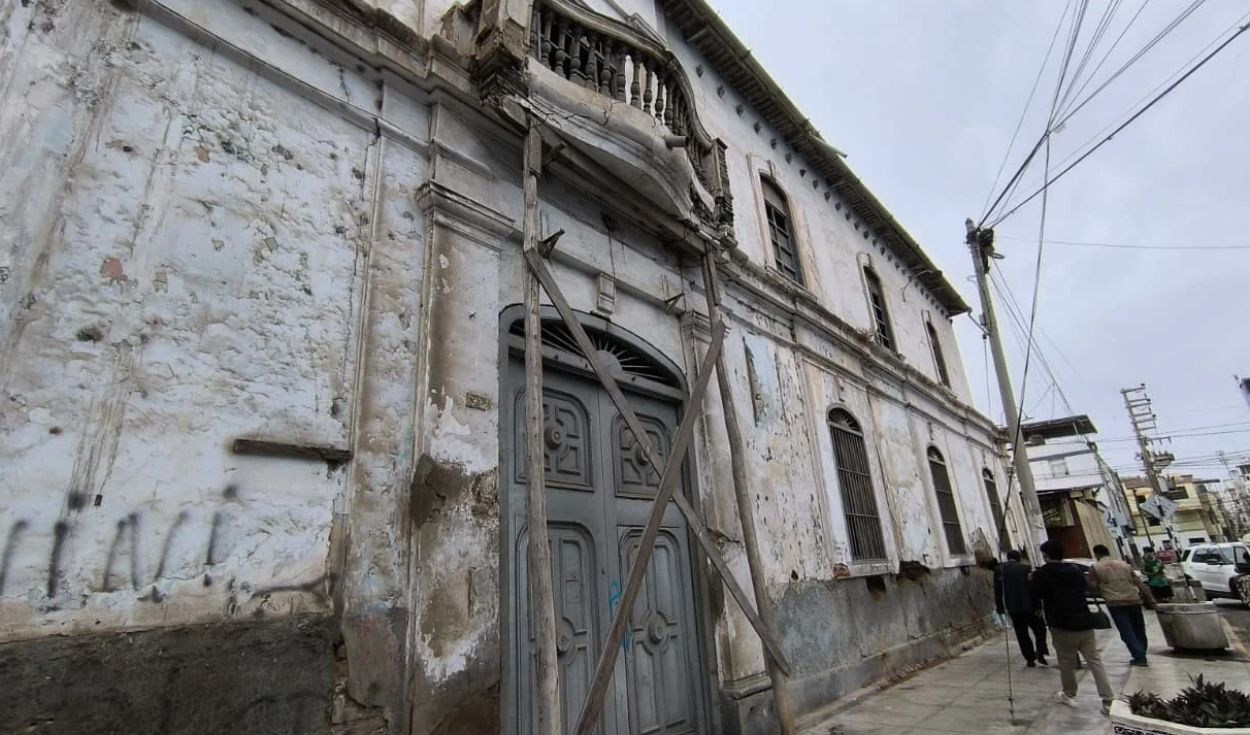
The Peruvian government has declared a 60-day state of emergency in five districts of Ayacucho province following a powerful magnitude 7.2 earthquake that struck on August 20. The seismic event caused significant damage to residential buildings, educational institutions, transportation networks, and public facilities across the affected areas.
The measure specifically targets the districts of Chumpi, Coracora, Pullo, and Upahuacho in the province of Parinacochas, along with Carapo in the province of Huanca Sancos. This declaration, formalized by Supreme Decree No. 119-2026-PCM, enables the swift implementation of exceptional, immediate, and necessary actions for the response and rehabilitation efforts.
The Regional Government of Ayacucho and local municipalities will spearhead these efforts, with technical coordination and monitoring provided by the National Civil Defense Institute (Indeci). A broad coalition of ministries, including Health, Agrarian Development and Irrigation, Education, Housing, Construction and Sanitation, Transport and Communications, Interior, Defense, Energy and Mines, Labor and Employment Promotion, Women and Vulnerable Populations, and Development and Social Inclusion, will also participate. Other public and private entities will contribute as needed.
The decree facilitates the donation and transport of essential goods to aid those impacted. This includes medical supplies, medications, vaccines, equipment, food, clothing, bedding, hygiene products, and construction materials. Free services such as catering, medical attention, transportation, and logistics will also be provided. The financial burden for these actions will be covered by the existing budgets of the involved entities, without requiring additional funds from the national treasury.
DistantNews Editorial
Originally published by La República in Spanish. Translated, summarized, and contextualized by our editorial team with added local perspective. Read our editorial standards.
More Stories
From Our Blog

What Gets Lost (and Found) When News Is Translated

The Critical Role of Diaspora Media in Global News

What Travellers Should Know About Countries with Restricted Press

A Digital Nomad's Guide to Following Local News

How the Same Story Looks Different in Different Countries
