

Peru Declares Emergency in Two Junín Districts After Earthquake
Translated from Spanish, summarized and contextualized by DistantNews.
At a glance
News
Official statement
New plan
- The Peruvian government declared a state of emergency in two districts of Junín following a magnitude 5.1 earthquake.
- The measure, lasting 60 days, was enacted after the National Civil Defense Institute (Indeci) reported that regional response capacity was overwhelmed.
- The earthquake caused six fatalities and damaged homes and educational infrastructure, with over 2,000 people affected.
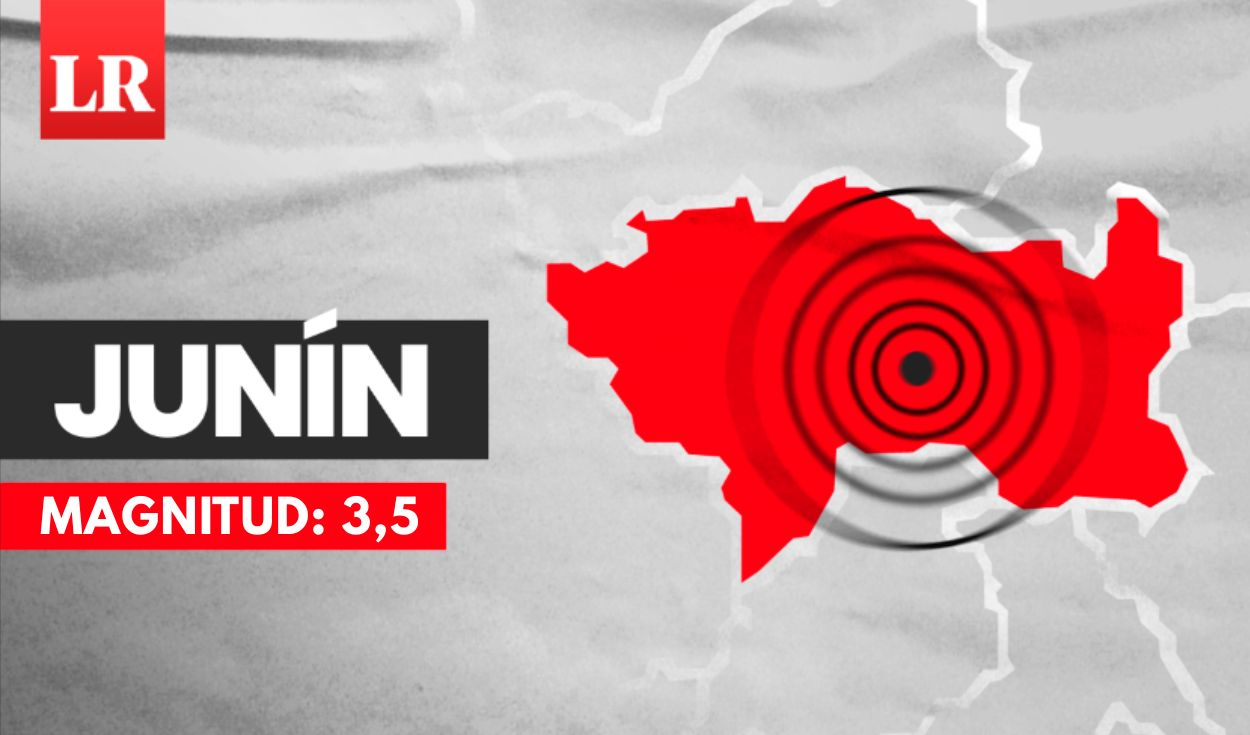
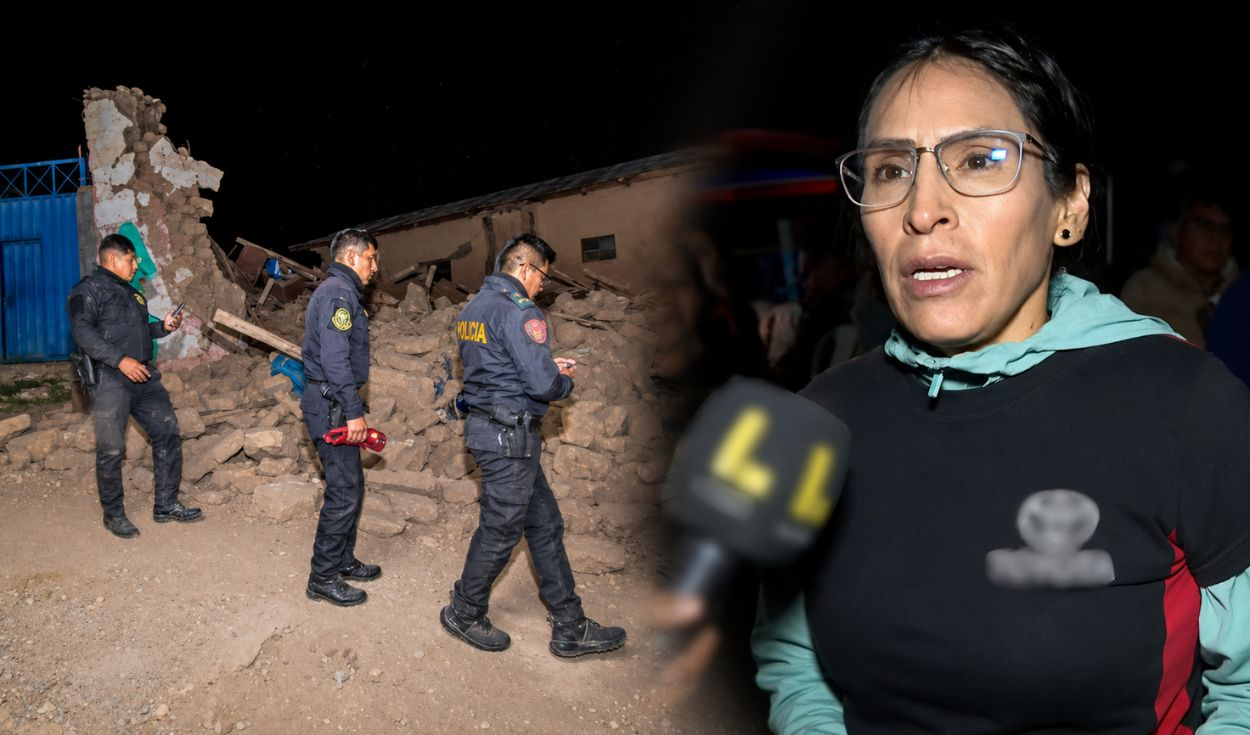
Peru's government has declared a state of emergency in two districts within the Junín region, Ahuac and Huayucachi, following damage caused by a magnitude 5.1 earthquake over the weekend. The emergency declaration will remain in effect for 60 calendar days.
This decision comes after the National Civil Defense Institute (Indeci) warned that the regional government's response capacity had been exceeded. Indeci highlighted the need for technical and operational intervention from national government entities to manage the emergency effectively.
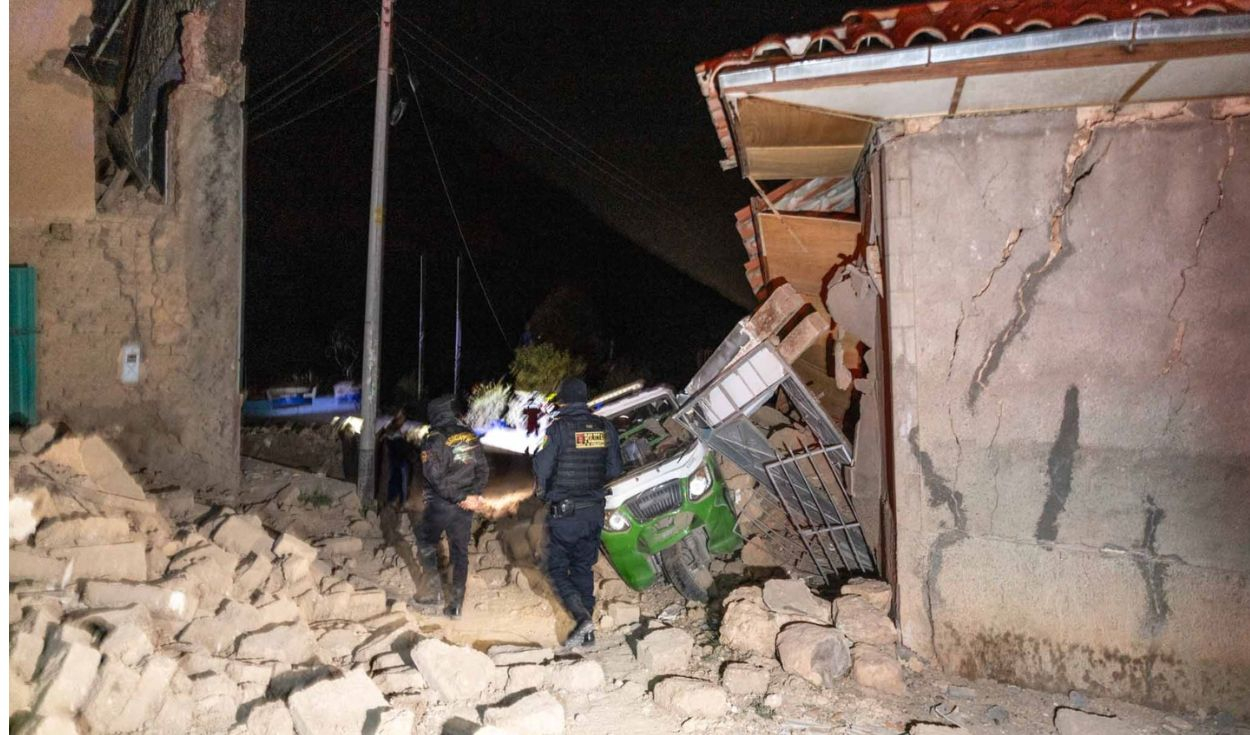
The seismic event resulted in six deaths and significant damage to residential buildings, educational facilities, and other structures. Indeci's executive director in Junín, General Julio César Gálvez, reported that the number of affected individuals had surpassed 2,000, though official validation was still in progress.
The emergency declaration, formalized through Supreme Decree N.° 111-2026-PCM, aims to facilitate response and rehabilitation actions. Indeci's situational report indicated damage to housing and educational infrastructure, prompting its recommendation for the emergency declaration to enable national intervention. The decree mandates the Regional Government of Junín and involved municipalities to undertake necessary actions, coordinated and monitored by Indeci.
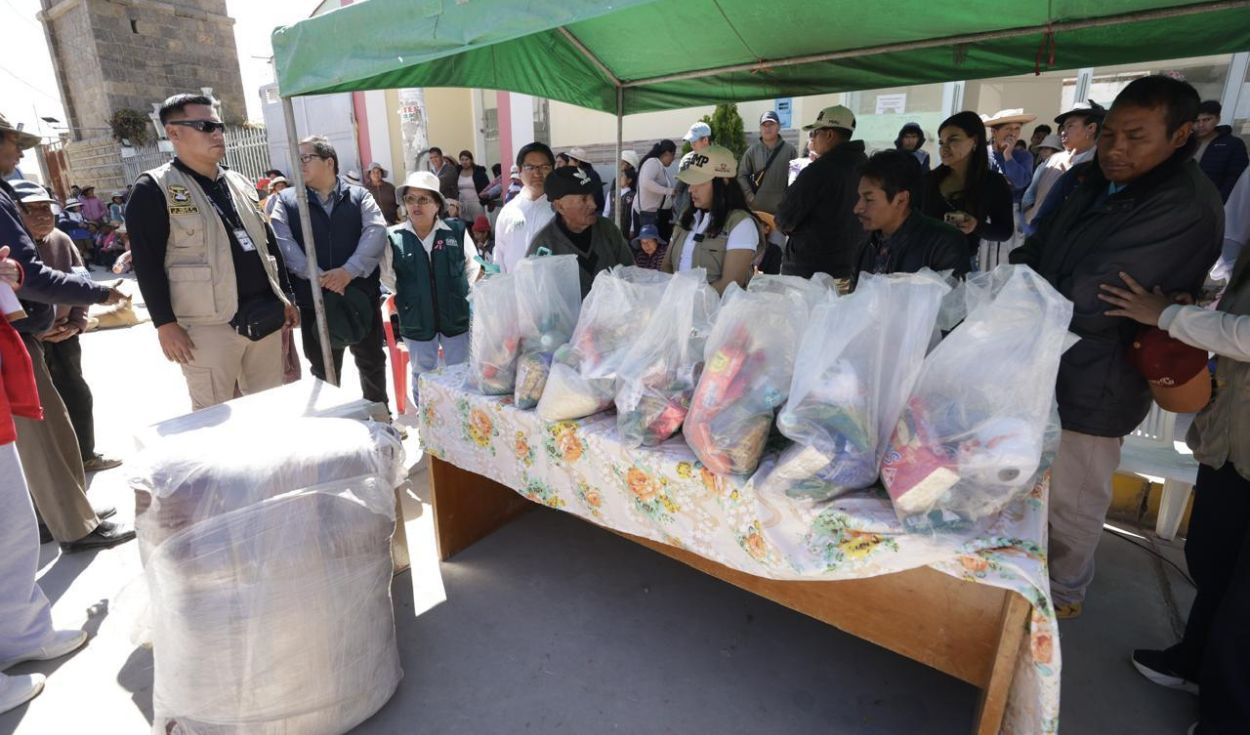
Several ministries, including Health, Education, Housing, Transport, Interior, Defense, Agriculture, Energy, Women, and Social Inclusion, will participate in the emergency response. Their efforts will focus on providing aid to the population, restoring affected services, and rehabilitating damaged areas, with actions adaptable to evolving needs. The decree also authorizes the acceptance of donations for those affected, including food, medicine, shelter materials, and construction supplies, alongside free services like transportation and medical attention.
The regional response capacity was overpassed, requiring technical and operational intervention from national government entities to address the emergency.
DistantNews Editorial
Originally published by La República in Spanish. Translated, summarized, and contextualized by our editorial team with added local perspective. Read our editorial standards.
More Stories
From Our Blog

What Gets Lost (and Found) When News Is Translated

The Critical Role of Diaspora Media in Global News

What Travellers Should Know About Countries with Restricted Press

A Digital Nomad's Guide to Following Local News

How the Same Story Looks Different in Different Countries
