

Peru Faces Critical Blood Shortage as Voluntary Donations Lag
Translated from Spanish, summarized and contextualized by DistantNews.
At a glance
News
Documents & data
New plan
- Only 2 out of 10 blood units collected in Peru come from voluntary donors, with the majority being replacement donations.
- Hospitals, particularly those treating pediatric patients like the National Institute of Child Health (INSN) in Breña, face a critical need for increased voluntary blood donations.
- Health authorities are conducting campaigns to encourage voluntary donations, highlighting eligibility criteria for donors.
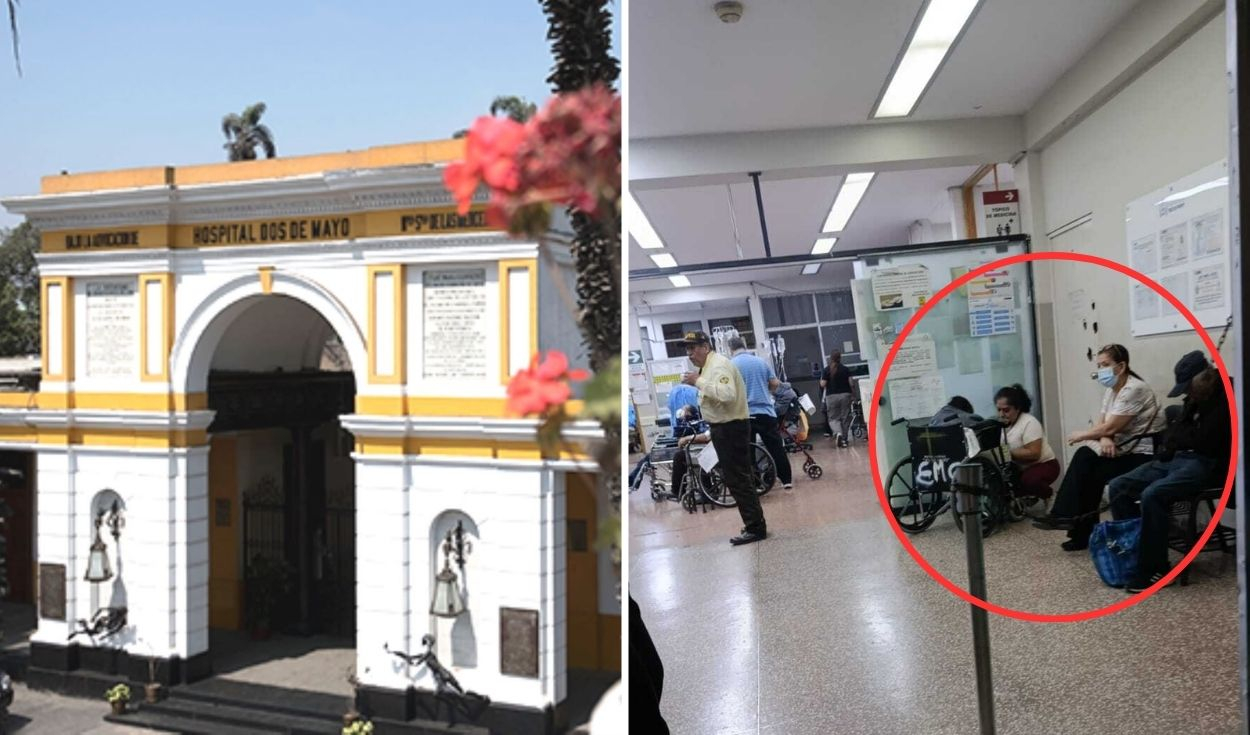
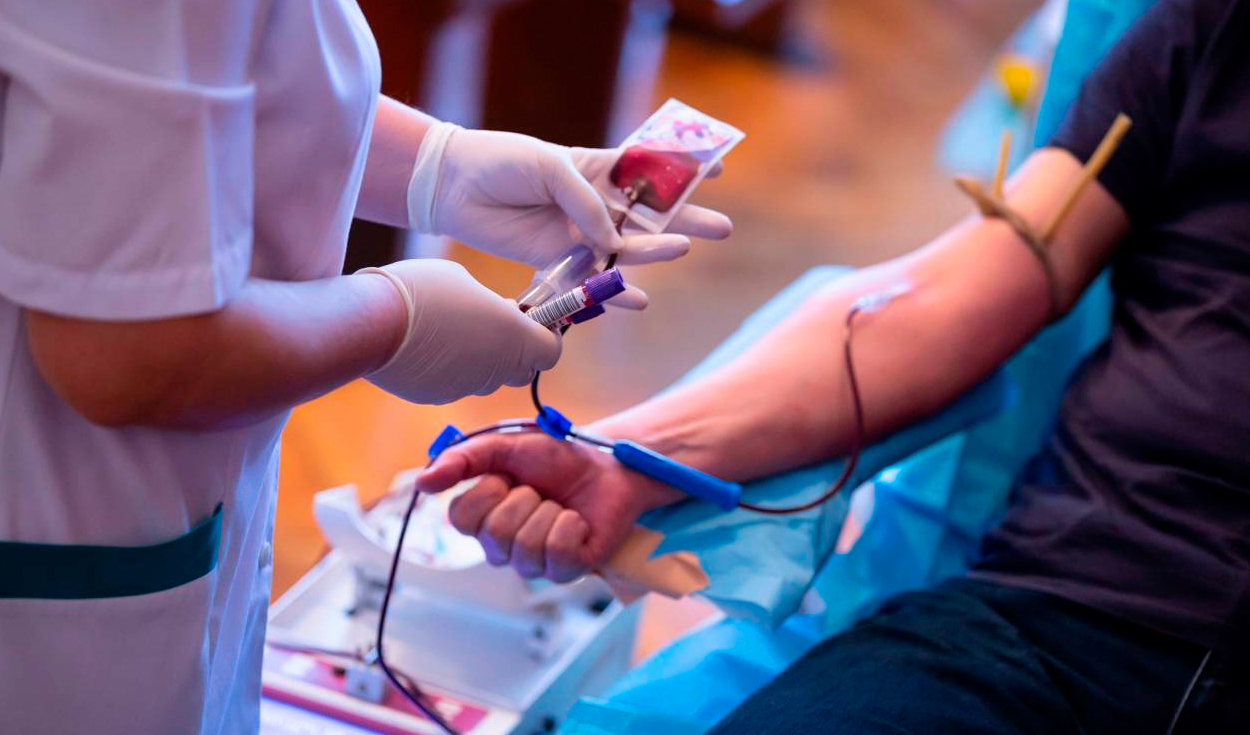
A critical shortage of voluntary blood donors persists in Peru, with only two out of every ten blood units collected nationwide coming from individuals who donate freely. The majority of blood supply relies on replacement donations, where family or friends of patients are called upon to donate for immediate needs.
This alarming statistic was highlighted by the Ministry of Health (Minsa) during an event at the National Institute of Child Health (INSN) in Breña, coinciding with World Blood Donor Day. The low rate of voluntary donations poses a significant risk to patients requiring transfusions for surgeries, accidents, or cancer treatments.
Specialized hospitals like INSN Breña, which performs around 500 blood compatibility tests monthly for pediatric patients and uses 60 to 80 platelet apheresis fractions for children with cancer or hematological diseases, are particularly affected. Dr. Mirtha Durán, who leads the donation campaign at INSN Breña, emphasized that a consistent flow of voluntary donors is essential for ensuring continuous patient care.
To address this, health authorities are intensifying efforts to promote voluntary blood donation. They are reminding the public that individuals aged 18 to 60 (or up to 65 for regular donors), weighing over 50 kilograms, and in good health are eligible to donate. Campaigns are being organized in Lima to encourage greater citizen participation in this life-saving act.
Counting on a constant flow of donors allows us to ensure the care of patients who depend on transfusions to continue their treatments.
DistantNews Editorial
Originally published by La República in Spanish. Translated, summarized, and contextualized by our editorial team with added local perspective. Read our editorial standards.
More Stories

From Our Blog

What Gets Lost (and Found) When News Is Translated

The Critical Role of Diaspora Media in Global News

What Travellers Should Know About Countries with Restricted Press

A Digital Nomad's Guide to Following Local News

How the Same Story Looks Different in Different Countries
