

Peru Loses 59% of Glaciers in 60 Years, Raising Flood Risks
Translated from Spanish and summarized by DistantNews. Read the original for the full story.
At a glance
News
Sources not specified
Outcome reported
- Peru has lost 59% of its glaciers over the past six decades, according to a new study by the National Institute for Research on Glaciers and Mountain Ecosystems (Inaigem).
- This significant glacial melt is attributed to global warming and climate change, accelerating instability in ice masses and increasing the risk of glacial lake overflows.
- A report identified 528 lakes with overflow risks, 58 of which are classified as very high risk, primarily located in the Áncash and Cusco regions.
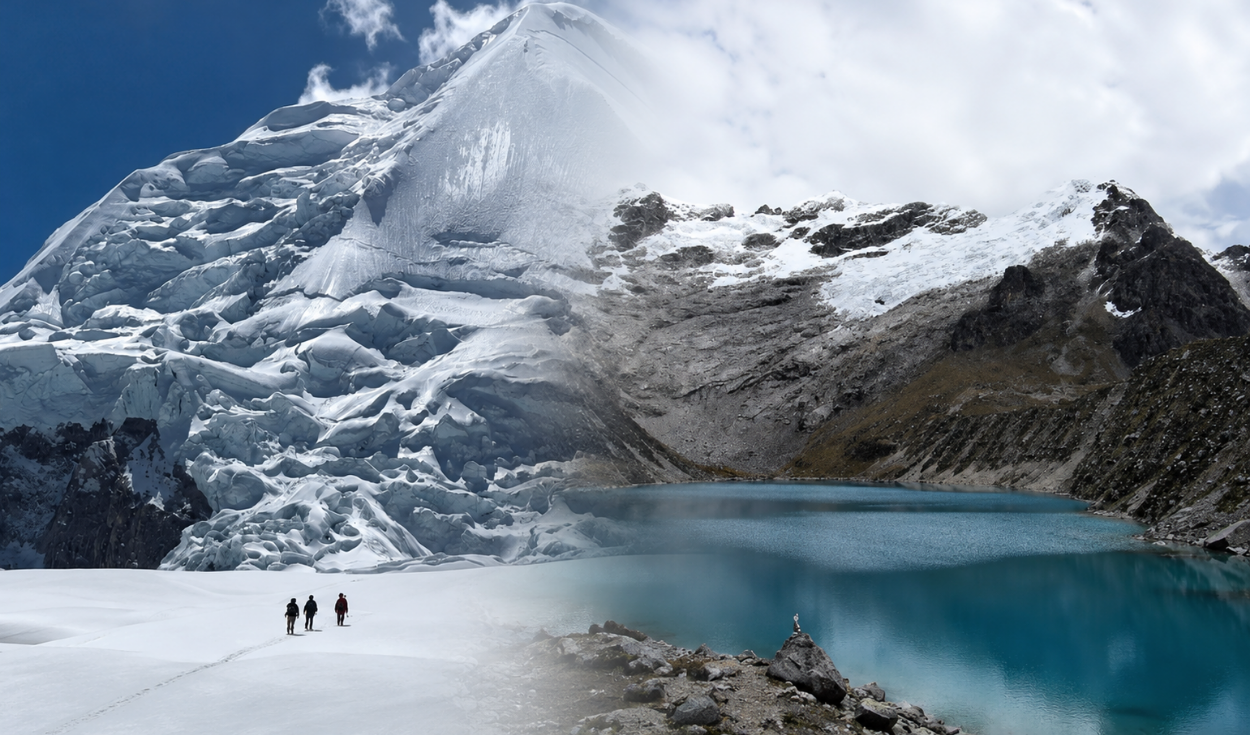
Peru is facing a critical environmental crisis as a new study reveals the nation has lost a staggering 59% of its glaciers over the last 60 years. The findings, from the National Institute for Research on Glaciers and Mountain Ecosystems (Inaigem), highlight the accelerating impact of global warming and climate change on the country's vital ice reserves.
These processes are accelerating and generate greater instability in the ice masses.
Paola Moschella Miloslavich, director of glacier research at Inaigem, explained that these warming trends are intensifying and causing greater instability in the ice masses. This instability directly contributes to an increased risk of glacial lake overflows. The study identified 4,500 glaciers across Peru, and the shrinking of these glaciers is creating new lakes and expanding existing ones, posing a significant threat.
The research has pinpointed 528 glacial lakes across Peru that are at risk of overflowing. Of these, a concerning 58 have been categorized as having a "very high risk." These high-risk lakes are predominantly located in the highland regions of Áncash and Cusco, areas particularly vulnerable to sudden and potentially devastating floods.
one of the risks that is aggravated is the occurrence of possible overflows of lakes.
In response to these findings, Inaigem has developed a risk map to identify areas susceptible to glacial lake outburst floods. The institute is providing technical assistance to local authorities, helping them implement early warning systems and evacuation plans. This proactive approach aims to mitigate the danger to nearby populations and safeguard communities from the escalating threats posed by Peru's rapidly diminishing glaciers.
We provide them with technical assistance so that they can implement, for example, early warning systems and evacuation maps, identifying their safe zones.
About this summary
Originally published by La República in Spanish. Translated, summarized, and contextualized automatically by DistantNews, with a note on how the source frames the story. Not individually reviewed before publishing. How this works.
More Stories
From Our Blog

What Gets Lost (and Found) When News Is Translated

The Critical Role of Diaspora Media in Global News

What Travellers Should Know About Countries with Restricted Press

A Digital Nomad's Guide to Following Local News

How the Same Story Looks Different in Different Countries
