

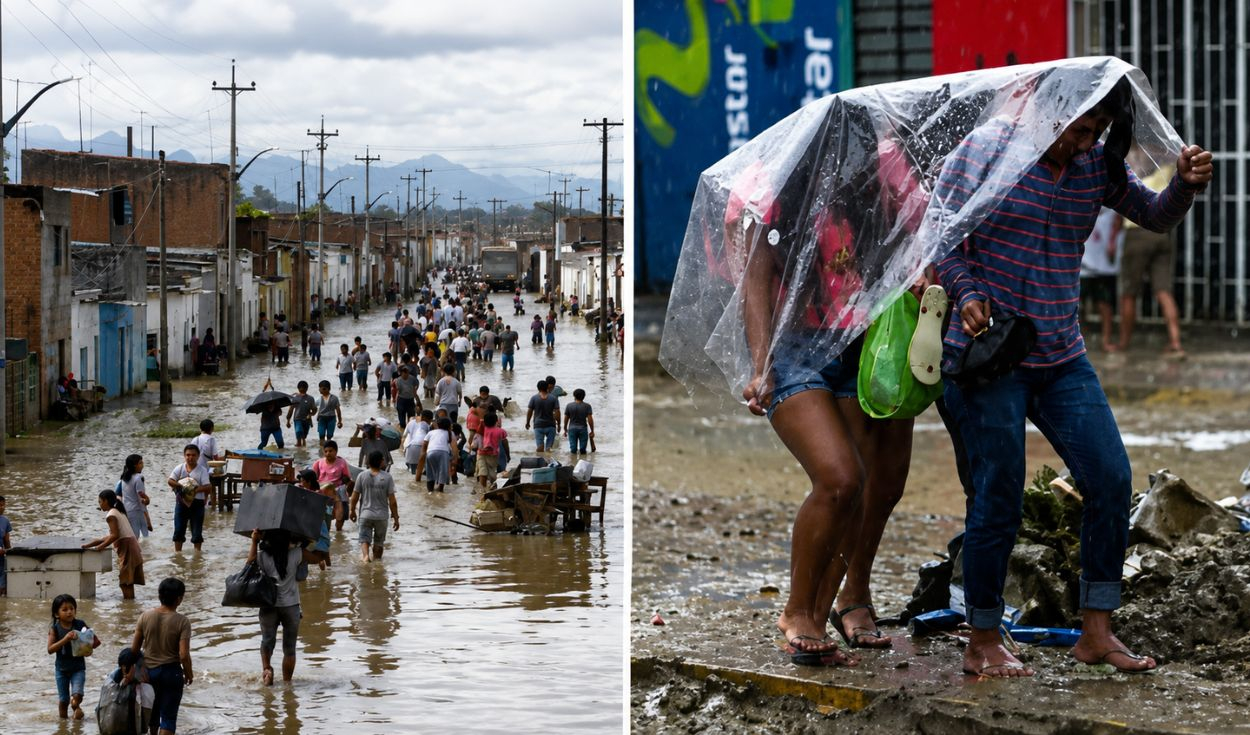

Peru's Senamhi Warns of Fourth Cold Snap, Temperatures to Drop to 14°C in Some Regions
Translated from Spanish, summarized and contextualized by DistantNews.
At a glance
News
Official statement
Context piece
- Peru's National Meteorology and Hydrology Service (Senamhi) warns of the fourth cold snap of the year, affecting the Amazon region from June 23-27.
- Temperatures in the southern Amazon could drop to 14°C, accompanied by heavy rains and winds exceeding 50 km/h.
- The cold air mass will move from the south to the central and northern Amazon, bringing significant temperature drops and adverse weather conditions.
Peru's Amazon region is bracing for the fourth cold snap of the year, with the National Meteorology and Hydrology Service (Senamhi) forecasting a significant drop in temperatures between June 23 and June 27. This meteorological event is expected to bring adverse weather conditions across various parts of the jungle.
The cold air mass will initially impact southern areas, including Puno, Madre de Dios, and Cusco, before advancing towards the central and northern Amazon. Senamhi specialists predict increased cloudiness and notable atmospheric changes as the cold front moves through the region.
Accompanying the temperature decrease will be strong winds, potentially exceeding 50 kilometers per hour, and thunderstorms with intense electrical activity. Heavy rainfall is also anticipated, adding to the challenging weather conditions.
Nighttime temperatures in the southern Amazon could fall as low as 14°C, while the central Amazon may experience lows between 17°C and 19°C. In the northern Amazon, temperatures are expected to range from 18°C to 20°C. Daytime temperatures will also be lower than usual for this time of year, with highs near 19°C in the south, around 24°C in the central region, and close to 27°C in the north.
Senamhi stated it will continue to issue updated reports on the weather's evolution in the affected regions.
DistantNews Editorial
Originally published by La República in Spanish. Translated, summarized, and contextualized by our editorial team with added local perspective. Read our editorial standards.
More Stories
From Our Blog

What Gets Lost (and Found) When News Is Translated

The Critical Role of Diaspora Media in Global News

What Travellers Should Know About Countries with Restricted Press

A Digital Nomad's Guide to Following Local News

How the Same Story Looks Different in Different Countries
