

Peru's Youth Centers Face Crisis: 150 Adolescents Enter Monthly Amid Severe Overcrowding
Translated from Spanish, summarized and contextualized by DistantNews.
At a glance
News
Sources not specified
Ongoing story
- An average of 150 adolescents enter youth diagnostic and rehabilitation centers monthly in Peru.
- Overcrowding is a major issue, with 70% of centers facing capacity problems and 51% of residents being over 18.
- The National Program for Youth Centers (PRONACEJ) is implementing a 180-day plan to address overcrowding, including legal and infrastructural measures.
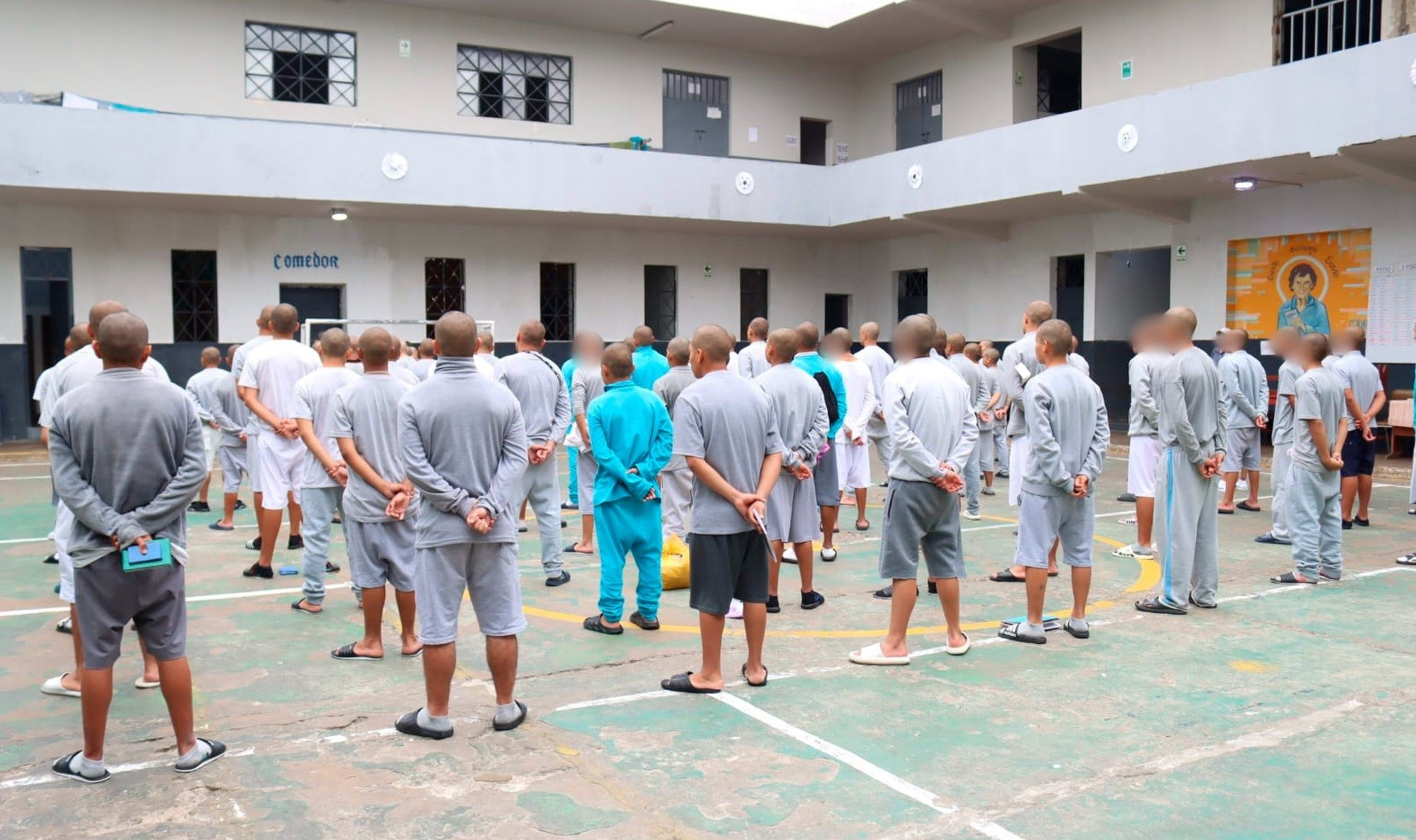
Peru's youth justice system is grappling with severe overcrowding, with an average of 150 adolescents entering diagnostic and rehabilitation centers each month. The situation has reached a critical point, particularly at the CJDR Trujillo, which has been declared in emergency due to an overcrowding rate exceeding 147%.
Compounding the problem, 70% of the centers face overpopulation issues, and a significant 51% of the current residents are already over the age of 18. The National Program for Youth Centers (PRONACEJ) has announced a comprehensive 180-day plan to tackle these challenges.
we will promote the variation of the socio-educational measure for the 300 cases of adolescents who meet the requirements for access to freedom or semi-liberty; we will redistribute 300 high-risk youth from the north of the country to high-security youth centers, such as the one in Lima, so that they receive intensive and individualized treatment; we will enable seven new environments with capacity for 230 adolescents in Lima and Pucallpa; and we will strengthen security conditions with more agents and the installation of new cameras and concertinas
PRONACEJ's executive director, Luis Vega, outlined key measures including facilitating early release or semi-liberty for 300 adolescents who meet the criteria. Additionally, 300 high-risk youths from the north will be relocated to high-security centers in Lima for intensive, individualized treatment. The plan also involves creating 230 new spaces in Lima and Pucallpa and enhancing security with more personnel and surveillance equipment.
Beyond immediate operational fixes, PRONACEJ is advocating for regulatory updates to the Code of Criminal Responsibility for Adolescents. The current law allows adolescents to remain in youth centers for up to ten years, even after turning 18, for serious offenses. The proposed changes aim to allow the transfer of high-risk individuals over 18 to adult penitentiaries managed by INPE, particularly if they commit new offenses or show a high risk of reoffending.
the objective of formally joining the request of other institutions, and as part of the juvenile justice system, is to promote that the norm be coherent with the reality that the country is going through, since criminogenic contagion is a reality and it is our responsibility to protect the adolescents that we must return reformed to society
DistantNews Editorial
Originally published by La República in Spanish. Translated, summarized, and contextualized by our editorial team with added local perspective. Read our editorial standards.
More Stories

From Our Blog

What Gets Lost (and Found) When News Is Translated

The Critical Role of Diaspora Media in Global News

What Travellers Should Know About Countries with Restricted Press

A Digital Nomad's Guide to Following Local News

How the Same Story Looks Different in Different Countries
