


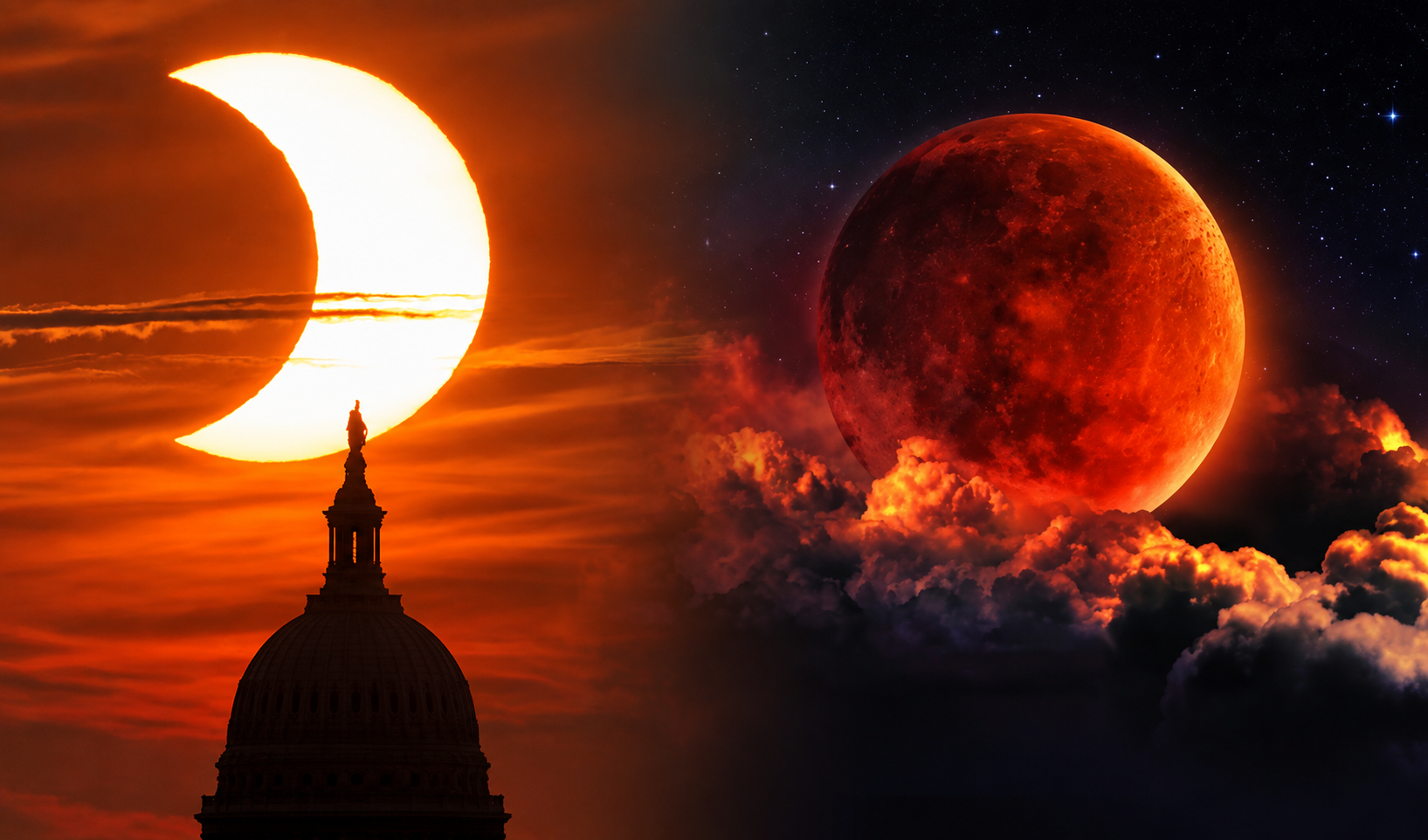
Peru to miss 2026 total solar eclipse; 'ring of fire' visible in 2027
Translated from Spanish, summarized and contextualized by DistantNews.
At a glance
News
Sources not specified
Context piece
- Peruvians will not be able to see the total solar eclipse on August 12, 2026, as it will only be visible in Greenland, Iceland, Spain, Russia, and parts of Portugal.
- The next solar eclipse visible in the Americas will be an annular eclipse, the "ring of fire," on February 6, 2027.
- The total solar eclipse in August 2026 will be particularly significant for Spain, marking the country's first total solar eclipse in over a century and the start of a series of eclipses.
Stargazers in Peru hoping to witness a total solar eclipse in 2026 will be disappointed, as the celestial event on August 12 will not be visible from South American territory. According to NASA, the phenomenon's totality path will traverse specific regions of Greenland, Iceland, Spain, Russia, and a small portion of Portugal. While some countries will experience a partial view, Peruvians will need to wait longer for a significant astronomical display.
The eclipse of August 12 will reach totality in Greenland, Iceland, Spain, Russia, and a small area of Portugal.
For those in the Americas, the next major solar event will be an annular solar eclipse, famously known as the "ring of fire." This event is scheduled for February 6, 2027. In an annular eclipse, the Moon passes directly in front of the Sun but does not completely cover it, leaving a luminous ring visible around the lunar silhouette.
The next eclipse visible from Peru will be in February 2027.
The total solar eclipse in August 2026 holds particular importance for Spain, as it represents the first total solar eclipse visible in the country in over a century. This event is also set to inaugurate the "Trilogy of Eclipses," a series of three astronomical phenomena occurring between 2026 and 2028, promising a remarkable period for eclipse enthusiasts.
In this type of phenomenon, the Moon does not completely cover the Sun, so a bright ring of light known as the 'ring of fire' forms around the satellite.
NASA reminds the public that observing any solar eclipse requires strict safety precautions. Direct viewing of the Sun without proper protection, such as certified solar viewing glasses or indirect projection methods, can lead to permanent eye damage. The agency stresses the importance of using appropriate safety measures to ensure a safe and enjoyable viewing experience.
Any observation of a solar eclipse must be carried out with adequate safety measures. Recommendations include using certified solar viewing glasses or resorting to indirect projection methods, as looking directly at the Sun without protection can cause permanent vision damage.
DistantNews Editorial
Originally published by La República in Spanish. Translated, summarized, and contextualized by our editorial team with added local perspective. Read our editorial standards.
More Stories



From Our Blog

What Gets Lost (and Found) When News Is Translated

The Critical Role of Diaspora Media in Global News

What Travellers Should Know About Countries with Restricted Press

A Digital Nomad's Guide to Following Local News

How the Same Story Looks Different in Different Countries
