

Peruvian Amazon: 119 oil-polluted sites await cleanup a decade later
Translated from Spanish, summarized and contextualized by DistantNews.
At a glance
News
Named sources
Context piece
- 119 oil-contaminated sites in the Peruvian Amazon await cleanup a decade after being identified.
- Indigenous leaders are urging Congress to approve a law to unblock remediation processes.
- A special fund established over a decade ago has seen limited progress, with only 27 of 146 identified sites showing advancement.
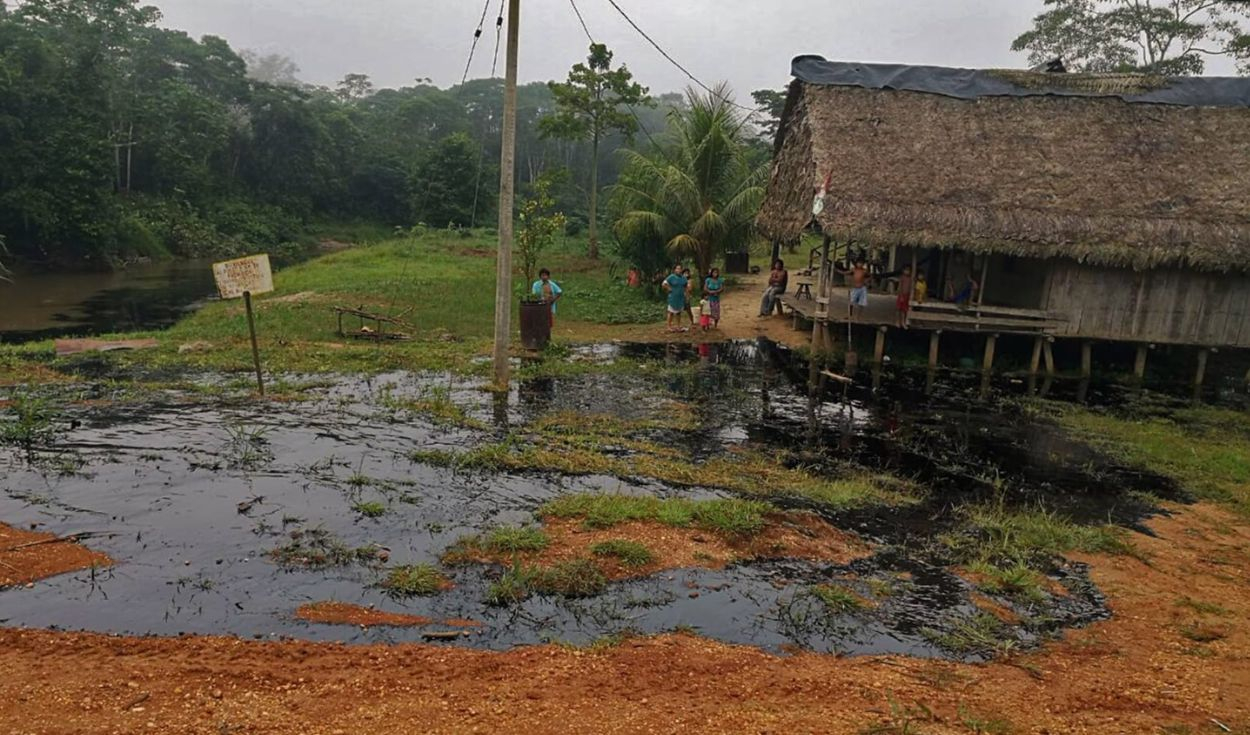
Ten years after being identified, 119 sites contaminated by oil activity in the Pastaza, Corrientes, Tigre, and Marañón river basins in the Peruvian Amazon remain unremediated. Despite the state establishing a special fund over a decade ago to finance recovery efforts, progress has been minimal. Indigenous leaders from Loreto traveled to Lima this week to press Congress to approve Bill N.° 13084/2025-PE, which aims to streamline these rehabilitation processes.
The proposed legislation seeks to modify the functioning of the Environmental Remediation Contingency Fund. This fund, created in 2015 with an initial S/50 million, was intended to address the environmental impacts of oil extraction. However, according to organizations within PUINAMUDT, only 27 out of 146 identified impacted sites have seen any progress, leaving the remaining 119 sites awaiting studies and cleanup operations.
We have been working for ten years. Of the 146 identified sites, only 27 have been prioritized, and the other 119 have not moved a single step.
Indigenous representatives explain that the bottleneck is not a lack of funds but regulatory restrictions. The available resources became tied to a fixed list of sites approved in 2019 via ministerial resolution. This has prevented the inclusion of newly identified contaminated areas, particularly in the Lote 8 oil extraction zone, thus blocking access to financing. Robinson Sandi Hualinga, president of OPIKAFPE, one of the federations within PUINAMUDT, stated, "We have been working for ten years. Of the 146 identified sites, only 27 have been prioritized, and the other 119 have not moved a single step."
The legislative initiative would empower the Ministry of Energy and Mines to annually update the list of prioritized sites. This change would enable the use of existing funds for studies, rehabilitation plans, and environmental cleanup execution. "Often there is money, but we cannot move forward. If this modification is approved, we can initiate the corresponding studies and follow the necessary steps for remediation," explained Hualinga. Communities reliant on the affected rivers for fishing and sustenance report significant impacts on their health and the environment, affecting their food security.
Often there is money, but we cannot move forward. If this modification is approved, we can initiate the corresponding studies and follow the necessary steps for remediation.
DistantNews Editorial
Originally published by La República in Spanish. Translated, summarized, and contextualized by our editorial team with added local perspective. Read our editorial standards.
More Stories

From Our Blog

What Gets Lost (and Found) When News Is Translated

The Critical Role of Diaspora Media in Global News

What Travellers Should Know About Countries with Restricted Press

A Digital Nomad's Guide to Following Local News

How the Same Story Looks Different in Different Countries
