

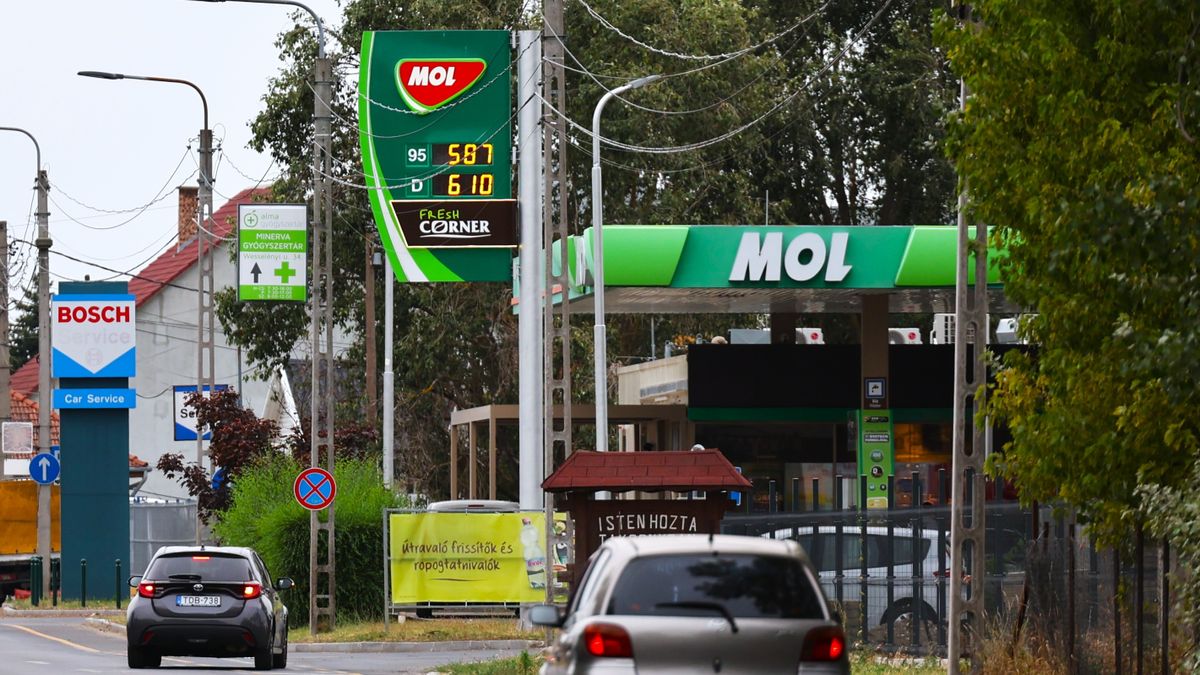
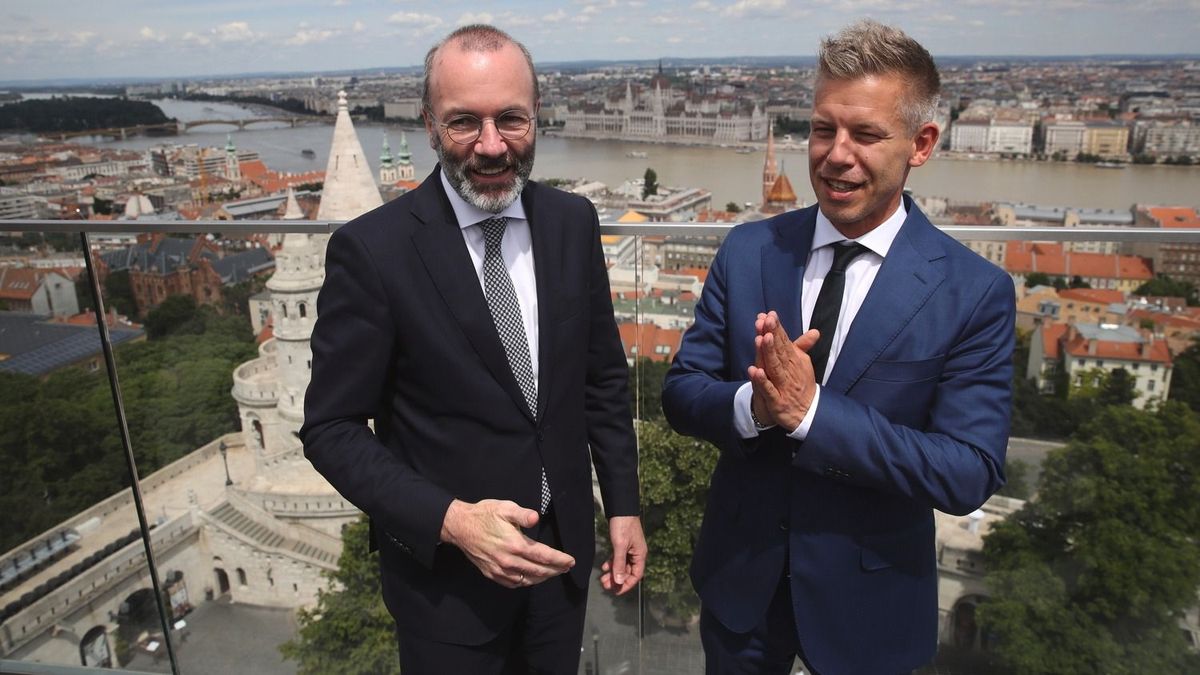
Péter Magyar Criticizes BYD as EU Also Targets Chinese Automakers
Translated from Hungarian, summarized and contextualized by DistantNews.
At a glance
News
Named sources
Context piece
- Hungarian politician Péter Magyar has criticized Chinese electric vehicle manufacturer BYD, coinciding with EU pressure on Chinese car imports.
- Magyar's stance appears to align with EU efforts to impose a 17% anti-subsidy duty on BYD vehicles.
- The article suggests Magyar's criticism might be an attempt to appease EU and German interests, potentially jeopardizing Hungary's economic neutrality policy and its own economy.
Hungarian politician Péter Magyar has recently directed criticism towards the Chinese electric vehicle manufacturer BYD, a move that aligns with increasing pressure from the European Union on Chinese automotive imports. This timing suggests a strategic positioning by Magyar amidst broader European economic and political dynamics.
The European Union is reportedly considering imposing a 17% anti-subsidy duty on BYD vehicles, a measure aimed at leveling the playing field for European car manufacturers. Magyar's public stance against BYD appears to echo these sentiments, potentially seeking favor with EU leadership and German economic interests, which have historically been significant partners for Hungary.
However, the article suggests that Magyar's criticism may serve as a pretext, potentially overshadowing Hungary's established policy of economic neutrality, a principle championed by Prime Minister Viktor Orbán. By aligning with EU actions against Chinese companies like BYD, Magyar risks undermining this policy and could pose significant risks to Hungary's own economy, which benefits from investments and trade with various global partners, including China.
The article also touches upon domestic political events, referencing an incident where Prime Minister Orbán allegedly banned the Fidesz mayor of a city from a factory handover event. This is framed within a larger context of political maneuvering and potential shifts in Hungary's economic strategy, particularly concerning foreign investment and trade relations.
DistantNews Editorial
Originally published by Magyar Nemzet in Hungarian. Translated, summarized, and contextualized by our editorial team with added local perspective. Read our editorial standards.
More Stories
From Our Blog

Countries Without a Free Press: What You Need to Know

What Press Freedom Means for the News You Read

What Gets Lost (and Found) When News Is Translated

The Critical Role of Diaspora Media in Global News

What Travellers Should Know About Countries with Restricted Press
