

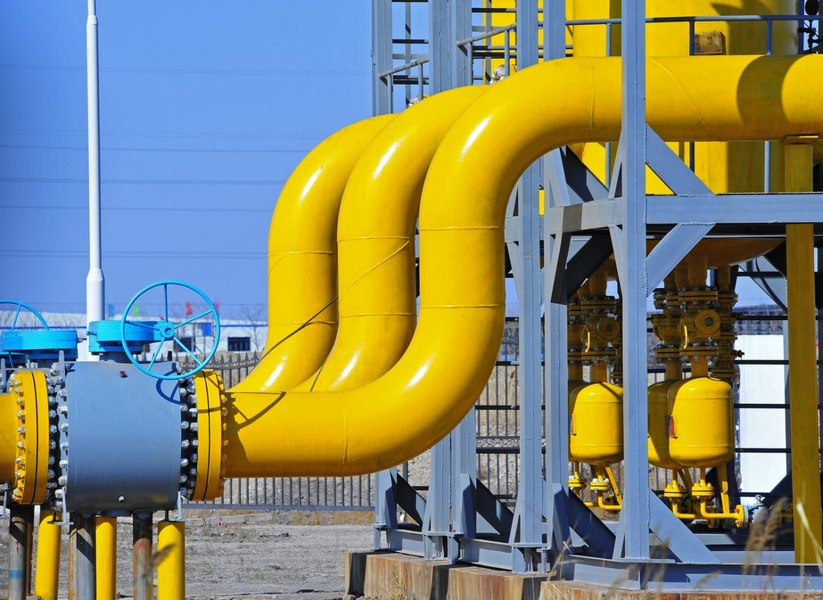
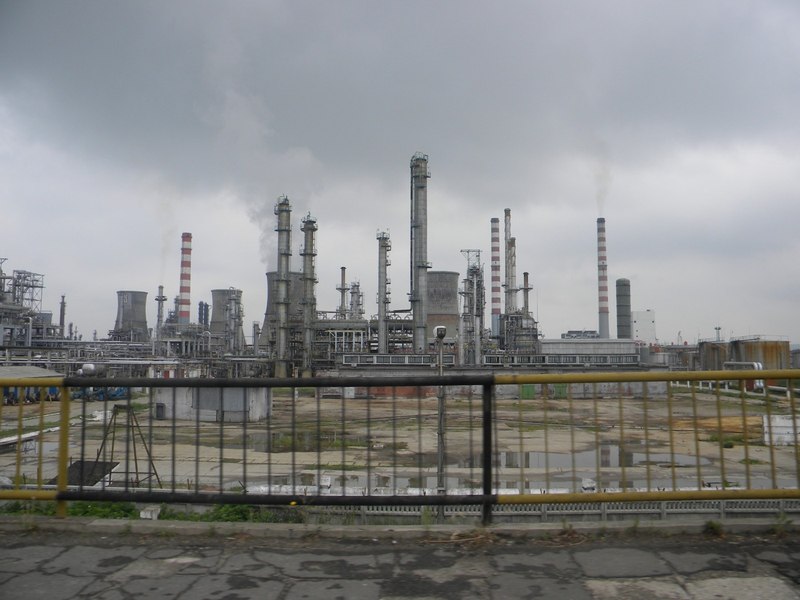
Petrotel-Lukoil enters insolvency; what happens to the Ploiești refinery and the company's future
Translated from Romanian, summarized and contextualized by DistantNews.
At a glance
News
Named sources
New plan
- Petrotel-Lukoil, Romania's Ploiești refinery owned by Russia's Lukoil group, is entering insolvency proceedings.
- The company states the move aims to protect the industrial asset, retain employees, and facilitate a potential ownership change.
- The refinery has been halted since autumn 2025 due to international sanctions imposed on the Lukoil group.
Petrotel-Lukoil, the Ploiești refinery controlled by Russia's Lukoil group, will enter insolvency proceedings. The company announced this decision, stating the measure is intended to protect the industrial asset, preserve jobs, and create conditions for resuming operations and a possible change of ownership. The information about the preparation of the procedure had surfaced earlier in an internal company note.
Company management asserts that insolvency provides the necessary legal framework to safeguard the refinery's assets and maintain the possibility of resuming activity. Petrotel-Lukoil clarified that the procedure is not aimed at liquidating the refinery but at conserving it during a period when its operations are affected by international restrictions. Protecting employees and maintaining relationships with suppliers are also stated priorities. The refinery, with a processing capacity of approximately 2.4 million tons of crude oil annually, has been a significant player in Romania's refining sector since Lukoil acquired it in 1998 and subsequently modernized its facilities.
Activity at the Petrotel-Lukoil refinery ceased in the autumn of 2025. This shutdown occurred in the context of sanctions imposed by the United States on the Lukoil group. In October 2025, the US Treasury Department included Lukoil and its subsidiaries (at least 50% owned) under its sanctions regime, freezing targeted assets and transactions. This move placed Petrotel at the center of issues concerning the Russian group's European assets, which also include the Neftohim Burgas refinery in Bulgaria and a network of gas stations across the region.
According to Petrotel's management, entering insolvency will offer the company legal protection for managing its assets and commercial contracts during the period when production cannot resume. They emphasize that retaining specialized personnel, including engineers, technicians, and operators, is crucial for any future restart. The company also aims to maintain relationships with Romanian suppliers and commercial partners. However, the resumption of production ultimately depends on the sanctions regime, as the refinery required approvals from US authorities to operate under the sanctions applied to Lukoil.
DistantNews Editorial
Originally published by Adevărul in Romanian. Translated, summarized, and contextualized by our editorial team with added local perspective. Read our editorial standards.
More Stories
From Our Blog

What Gets Lost (and Found) When News Is Translated

The Critical Role of Diaspora Media in Global News

What Travellers Should Know About Countries with Restricted Press

A Digital Nomad's Guide to Following Local News

How the Same Story Looks Different in Different Countries
