

Former SpaceX engineers aim to power AI with abandoned nuclear project
Translated from Romanian, summarized and contextualized by DistantNews.
At a glance
News
Named sources
Context piece
- Two former SpaceX engineers are reviving an abandoned nuclear reactor project in Virginia.
- The project aims to provide power for large data centers, addressing the energy demands of AI.
- The test facility, part of a $400 million investment, is being repurposed by their startup, Applied Atomics.
An abandoned nuclear reactor test facility in Lynchburg, Virginia, is being reconsidered as a potential solution to the world's growing energy needs, particularly for powering artificial intelligence data centers. The facility, part of a project that previously received a $400 million investment, is now under scrutiny by a startup founded by former SpaceX engineers.
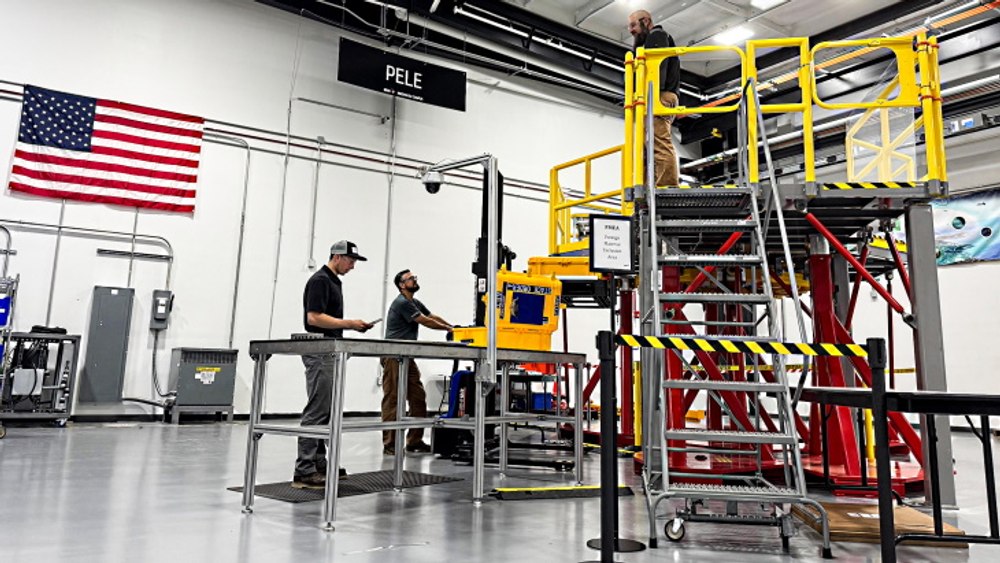
The test installation, known as mPower, is an eight-story structure built to simulate the operations of a nuclear power plant. It is not a functional reactor but is powered by electricity, allowing engineers to safely test and monitor various components and technologies. Constructed starting in 2009, the facility has remained unused for nearly a decade on Liberty University's engineering campus.
Applied Atomics, a startup established last year by Ben Kellie and Paul Keutelian, both former high-ranking engineers at SpaceX, believes the mPower technology can serve as the foundation for a new generation of small nuclear reactors. They are collaborating with BWXT, the company that owns the mPower project and has a long history of building reactors for U.S. military vessels.
Kellie highlighted that a significant portion of the research and development work has already been completed, leveraging the initial $400 million investment and years of engineering expertise. The startup aims to use the developed technology to construct smaller, more easily deployable nuclear reactors compared to traditional large-scale plants. While small modular reactors have been proposed for decades as a flexible alternative, commercial operation in the U.S. has yet to materialize, with past projects facing challenges related to cost, engineering, regulatory hurdles, and community opposition.
We are standing on the shoulders of giants here, aren't we?
DistantNews Editorial
Originally published by Adevărul in Romanian. Translated, summarized, and contextualized by our editorial team with added local perspective. Read our editorial standards.
More Stories

From Our Blog

What Gets Lost (and Found) When News Is Translated

The Critical Role of Diaspora Media in Global News

What Travellers Should Know About Countries with Restricted Press

A Digital Nomad's Guide to Following Local News

How the Same Story Looks Different in Different Countries
