


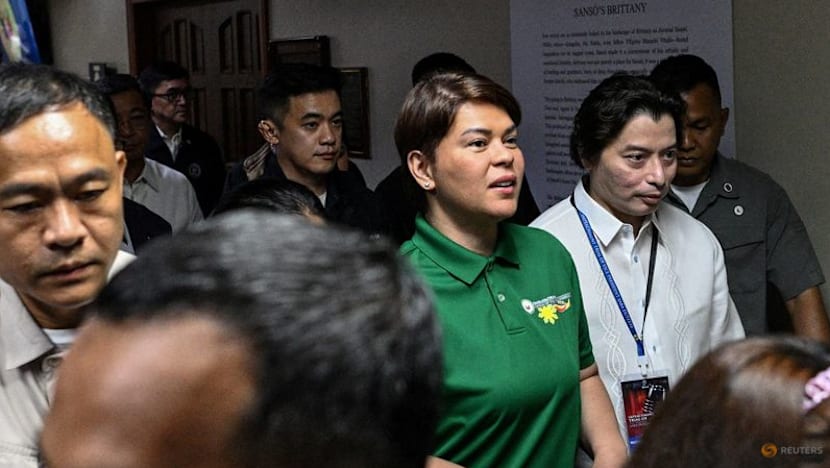
Philippine VP Sara Duterte Charged with 'Grave Threats' Over Alleged Marcos Death Threat
Translated from English, summarized and contextualized by DistantNews.
At a glance
News
Named sources
In the courts
- Philippine Vice President Sara Duterte faces a criminal charge of "grave threats" over an alleged death threat against President Ferdinand Marcos.
- The charge stems from a complaint filed after Duterte claimed to have hired an assassin against the president and his wife.
- Duterte's lawyers argue the case cannot proceed while she is undergoing an impeachment trial, but the justice department and legal experts disagree.
Philippine Vice President Sara Duterte has been formally charged with "grave threats" in a Quezon City courtroom, stemming from an alleged death threat against President Ferdinand Marcos. The charge, filed Tuesday, is a significant development in the ongoing Senate impeachment trial against the Vice President.
As a sitting impeachable officer, the Vice President may not be prosecuted for an alleged offence that is also the subject of an impeachment case.
The criminal complaint originated from a National Bureau of Investigation filing in February 2025. This followed a late-night news briefing where Duterte stated she had hired an assassin to target President Marcos and his wife. The specific charge relates to her alleged threat against the president.
Duterte's legal team argued that the Vice President, as an impeachable officer, cannot be prosecuted for an offense that is also the subject of her impeachment. However, the Department of Justice, through spokesman Polo Martinez, affirmed that the case can proceed simultaneously with the impeachment trial, stating it is now within the court's jurisdiction.
That's correct.
Legal experts, such as Professor Dante Gatmaytan of the University of the Philippines College of Law, concur that there is no constitutional impediment to the criminal case proceeding independently. While acknowledging potential legal theories that might arise later, he stated that the Department of Justice is not prevented from moving forward with the criminal charges at this time. A conviction for "grave threats" carries a potential jail term of one to six months, though an additional charge of "inciting to sedition" from the original complaint was dismissed.
This is not unconstitutional.
DistantNews Editorial
Originally published by CNA in English. Translated, summarized, and contextualized by our editorial team with added local perspective. Read our editorial standards.
More Stories



From Our Blog

What Gets Lost (and Found) When News Is Translated

The Critical Role of Diaspora Media in Global News

What Travellers Should Know About Countries with Restricted Press

A Digital Nomad's Guide to Following Local News

How the Same Story Looks Different in Different Countries
