

Philippines bets big on solar power, but remote communities risk being left behind
Summarized and contextualized by DistantNews.
At a glance
News
Sources not specified
Context piece
- The Philippines is accelerating its transition to solar energy to combat high electricity prices and reduce reliance on imported fuels.
- Despite government goals for renewable energy, many remote communities still depend on small solar kits for basic power needs.
- Achieving national renewable energy targets requires not only new projects but also grid upgrades to manage intermittent energy sources.
The Philippines is aggressively pursuing solar energy to tackle soaring electricity costs and lessen its dependence on imported fuels. The nation aims to have 35% of its power generated from renewable sources by 2030. Large-scale solar developments are underway, signaling growing investment in clean energy.
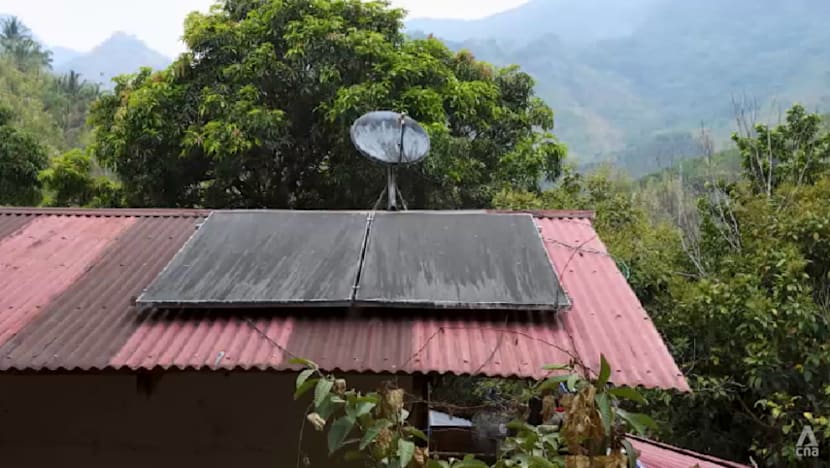
However, the transition presents challenges for the archipelago's remote communities. Many off-grid villages, like Barangay Laiban in Rizal province, still rely on small solar kits for essential electricity, powering only lights or mobile phone chargers. For residents like Concepcion Mira, these systems are a durable, albeit basic, replacement for kerosene lamps, but they fall short of providing complete power.
What we usually use it for is lighting. If we turn on the TV, then there's no more power for the lights. It's okay – it's durable, and we're still able to use it up to now. It still hasn't broken down.
"We've been here for a long time, yet I still haven't heard any real news about having proper electricity," Mira stated. "That's why solar systems like these have become widespread. Almost every household here now uses solar power."
Industry experts emphasize that meeting renewable energy goals necessitates not only new projects but also significant upgrades to the country's aging power grid. This infrastructure must be capable of handling decentralized and intermittent energy sources. For communities like the Dumagat-Remontado indigenous people, who have limited access to electricity, there are calls for a more inclusive energy transition that benefits them directly from renewable energy projects developed in their ancestral lands.
We've been here for a long time, yet I still haven't heard any real news about having proper electricity. That's why solar systems like these have become widespread. Almost every household here now uses solar power.
DistantNews Editorial
Originally published by CNA. Summarized and contextualized by our editorial team with added local perspective. Read our editorial standards.
More Stories

From Our Blog

What Gets Lost (and Found) When News Is Translated

The Critical Role of Diaspora Media in Global News

What Travellers Should Know About Countries with Restricted Press

A Digital Nomad's Guide to Following Local News

How the Same Story Looks Different in Different Countries
