


Phong Nam islet charms visitors with century-old mangosteen trees and fruit bounty
Translated from Vietnamese, summarized and contextualized by DistantNews.
At a glance
In-depth
Named sources
New plan
- Phong Nam islet in Can Tho City is attracting tourists with its fruit orchards and over 100-year-old mangosteen trees.
- The islet, nourished by the Hau River, is known for specialized fruit cultivation, including durian, mangosteen, and unique purple rambutan.
- A community-based tourism model has been launched, involving locals in welcoming visitors and organizing experiential activities.
Phong Nam islet, nestled in the Hau River in Can Tho City, is emerging as a captivating tourist destination, drawing visitors with its abundant fruit orchards and ancient, over-100-year-old mangosteen trees.
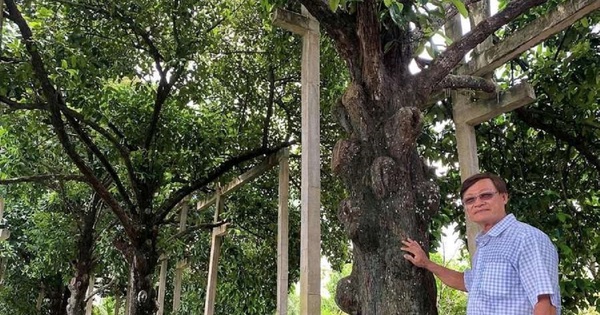
The four mangosteen trees are over 100 years old and are considered witnesses to the khai phá (exploration/development) of the islet.
Enriched by the fertile silt of the Hau River, Phong Nam commune has long been renowned for its specialized fruit cultivation. The area boasts over 665 hectares dedicated to various fruits such as durian, mangosteen, rambutan, purple milk apple, An Phuoc plum, and the distinctive purple rambutan. This lush landscape has transformed the islet into a prominent attraction in the Mekong Delta.
A particular highlight is the garden of Mr. Hua Van Len, which preserves four mangosteen trees that are over a century old. Planted by his grandmother between 1923 and 1924, these trees continue to thrive, yielding 300-500 kg of fruit annually. Remarkably, these ancient trees remain largely free from pests and diseases, requiring minimal use of pesticides. Their thin-skinned, thick-fleshed mangosteens, with their delicate sweetness, are highly sought after by tourists.
These mangosteen trees were planted by my grandmother in 1923-1924. After more than 100 years, the trees still grow healthily and bear fruit regularly each year.
Beyond the ancient mangosteens, Phong Nam is celebrated as a "fruit capital" of the Hau River. During the months of April and May on the lunar calendar, the region bursts into its peak season with a vibrant display of red rambutans, laden durian trees, deep purple mangosteens, and unique purple rambutan orchards, creating a lively pastoral scene that attracts a surge of visitors.
The fruit has thin skin, thick flesh, and a sweet, thanh (clear/light) taste, making it popular with many tourists.
To capitalize on these natural advantages, local authorities and residents have established a community-based tourism model, which officially launched in mid-June. This initiative empowers residents to directly participate in tourism, from greeting guests and guiding tours to organizing hands-on experiences, offering visitors an authentic taste of local life and agriculture.
Before, our family mainly sold fruit to traders. However, in recent years, as the demand for experiential tourism has increased, we started opening our doors to welcome visitors, let them pick fruit, and learn about orchard life.
DistantNews Editorial
Originally published by Thanh Niên in Vietnamese. Translated, summarized, and contextualized by our editorial team with added local perspective. Read our editorial standards.
More Stories

From Our Blog

What Gets Lost (and Found) When News Is Translated

The Critical Role of Diaspora Media in Global News

What Travellers Should Know About Countries with Restricted Press

A Digital Nomad's Guide to Following Local News

How the Same Story Looks Different in Different Countries
